The key facts
- The runoff features incumbent president Lula da Silva and senator Flávio Bolsonaro, who won the first round on 4 October
- The runoff features incumbent president Lula da Silva and senator Flavio Bolsonaro, who won the first round on October 4
- The candidate's father, Jair Bolsonaro, is serving a 27-year sentence for plotting a coup after the 2022 election
- Lula and his Workers' Party call the election a 'battle for democracy', while Lula's administration accuses the US of interference — Washington calls the accusations unfounded
The second round of Brazil's presidential election
On Sunday, Brazilians choose their new president in a second round that promises to be extremely close. At stake is a contest between the 80-year-old incumbent president, left-wing politician Luiz Inácio Lula da Silva, seeking a fourth, non-consecutive term, and the 45-year-old right-wing senator Flávio Bolsonaro — the son of former president Jair Bolsonaro, who is serving a 27-year prison sentence for plotting a coup after losing the 2022 election. Jair Bolsonaro is currently serving his sentence under house arrest for health reasons.
The candidates' positions after the first round
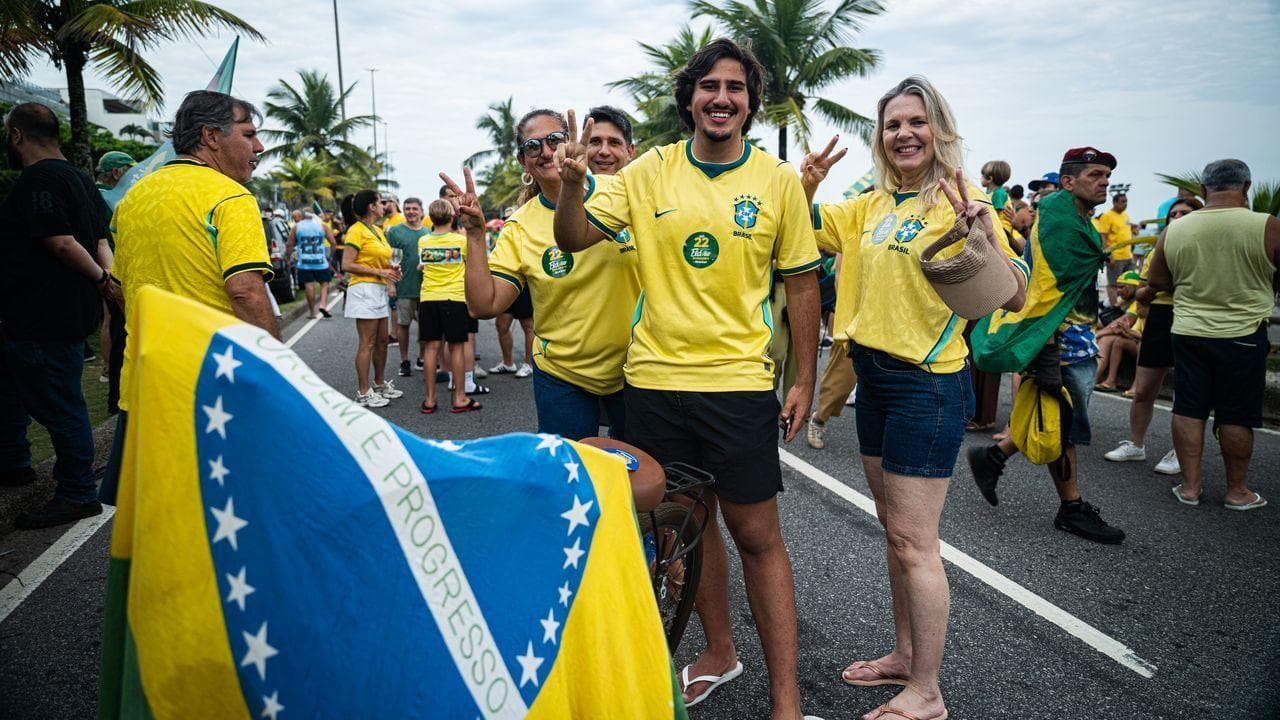
According to the BBC, these are 'elections that Flávio Bolsonaro can only lose': he came first in the first round on 4 October — a victory that US President Donald Trump called 'very big'. No candidate who trailed after the first round has so far managed to make up the deficit and win the runoff. Bolsonaro's supporters at his final rallies expressed confidence that he would change Brazil through the promised tough crackdown on organized crime, as well as tax and government spending cuts. On the final day of campaigning he appeared in Belo Horizonte, the capital of Minas Gerais, which, according to the BBC, has been a must-win state for any presidential contender since the 1980s. 'There are just a few hours left for us to shape the future of our nation for the next 30 or 40 years,' Bolsonaro said in a video posted on social media. He also pledged to secure his father's release.
Lula's campaign and interference allegations
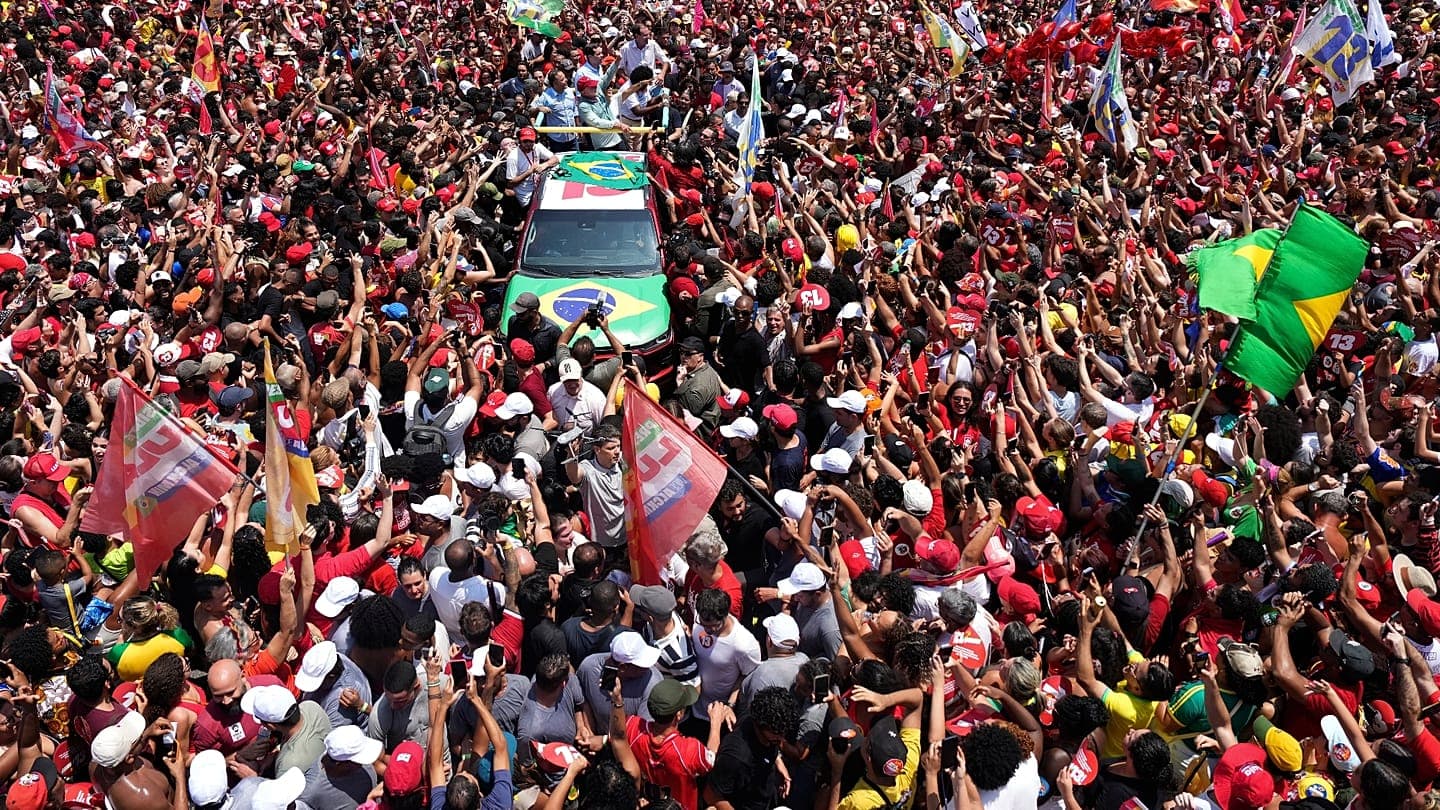
After Bolsonaro's first-round victory, Lula's supporters organized mass rallies in an effort to boost turnout: according to the BBC, 33 million people did not vote in the first round. On Saturday, Lula told a huge crowd on Copacabana beach in Rio de Janeiro that the election was a matter of 'sovereignty', and that people were choosing between someone who kisses the Brazilian flag and someone who kisses the American one. Lula's administration accused the US of interfering in the election; Washington called the accusations 'unfounded'. Lula has also, according to a separate BBC report, demanded the disqualification of his rival over alleged interference by Meta ahead of the vote. 'We will win for one simple reason: the truth — people want change, [but] they want to move forward,' Lula said.
Ideological confrontation and relations with the US
Lula and his Workers' Party frame the election as a 'battle for democracy', pointing to Jair Bolsonaro's conviction for plotting a coup as proof that 'Bolsonarism' threatens Brazil's democratic institutions. Lula's relations with Trump in the current term have been tense: Lula has insisted that Brazil 'fits into no one's backyard' — according to the BBC, a reference to Trump's 'Donroe Doctrine', which asserts US dominance in the Western Hemisphere. Bolsonaro, by contrast, believes that cooperating with Washington in the fight against powerful criminal gangs will return state control over territories run by gangs. He also calls the Workers' Party corrupt, reminding voters of the financial scandals that have dogged the party for years. Lula plans to watch the results in São Paulo, Bolsonaro in the capital, Brasília, where his father is under house arrest.
Why it matters
The result of the second round will determine the course of Brazil — Latin America's largest country — on key issues: relations with the US, the fight against organized crime, and the state of democratic institutions, given that the father of one of the candidates has been convicted of plotting a coup. For voters, the practical stakes lie in Bolsonaro's promises to cut taxes, government spending and interest rates, as well as his pledge to seek his father's release. Uncertainty remains: the outcome of the vote is unknown, and the allegations of interference by the US and Meta remain disputed between the sides, with neither independently confirmed.
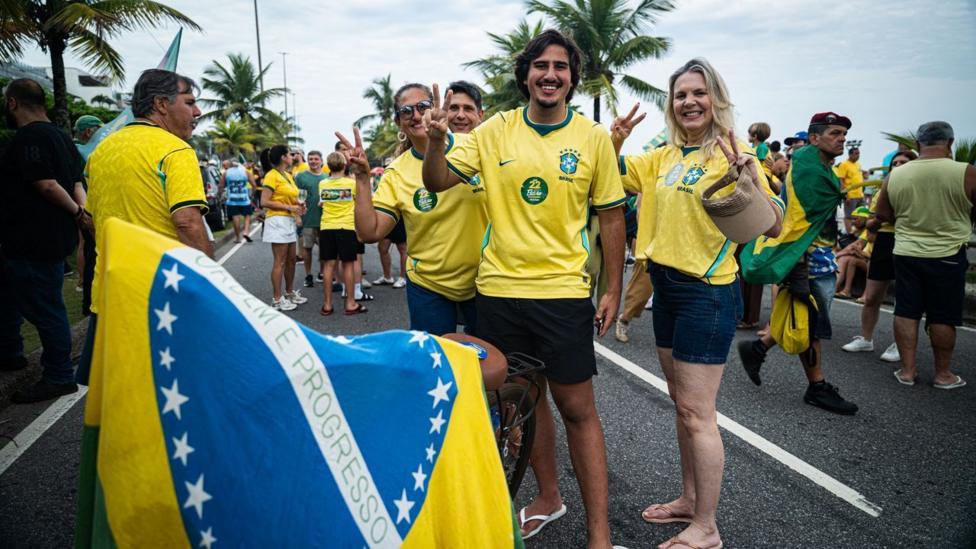 Image source, Paulo Kobayashi/BBC
Bolsonaro supporters rallied in Rio on the eve of the election
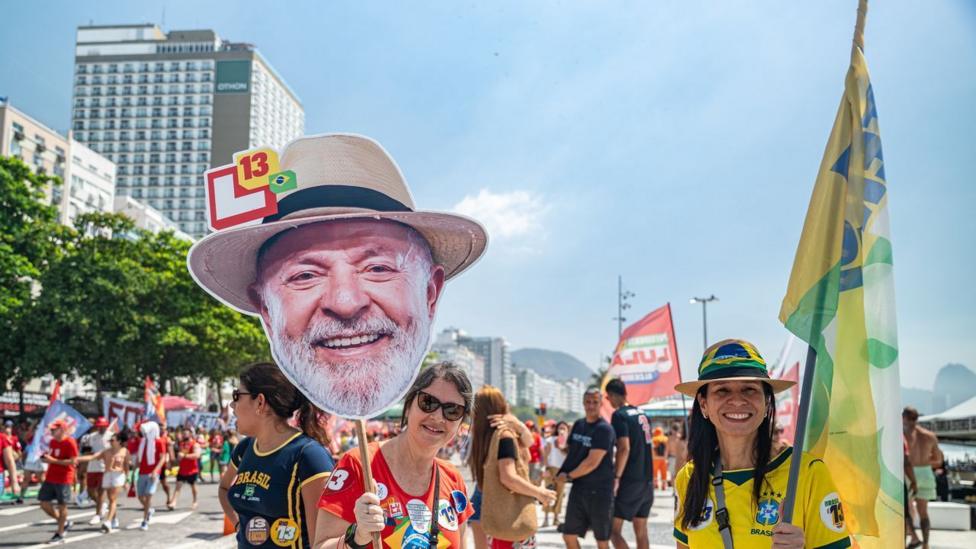 Image source, Paulo Kobayashi/BBC
Lula supporters also turned out in Rio