The key facts
- Lula da Silva won the second round with 51.76% against 48.24% for Flávio Bolsonaro
- The difference between the candidates was 4,349,014 votes; turnout was 80.79%
- On election day, a Supreme Court justice extended voting nationwide by two hours
Second-round results
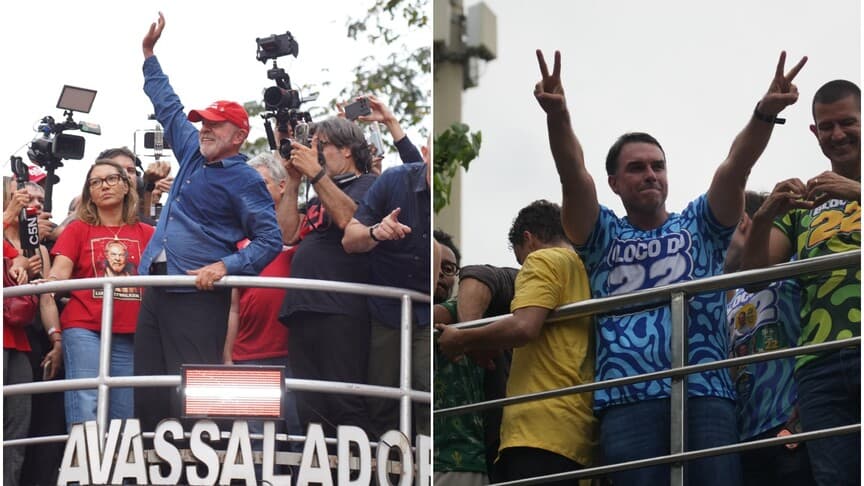
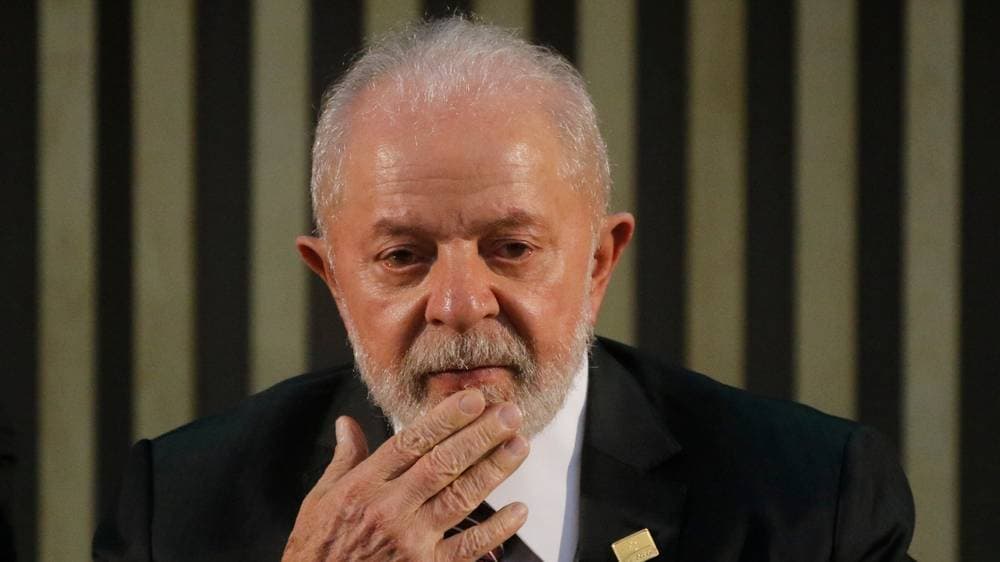
Incumbent President of Brazil Luiz Inácio Lula da Silva secured victory in the second round of the presidential election. The country's Superior Electoral Court (TSE) announced that the outcome of the vote was mathematically decided with 99.77% of polling stations counted. According to the court's data as of 9:14 p.m. local time on October 25, Lula received 51.76% of the votes, while his rival, Senator Flávio Bolsonaro, received 48.24%. The incumbent head of state was voted for by 64,076,924 people, and the opposition candidate by 59,727,910 — a difference of 4,349,014 votes. The second round began on October 25, in which Lula da Silva competed against Senator Flávio Bolsonaro, the son of former president Jair Bolsonaro, against the backdrop of nearly equal support for the candidates.
Vote counting and turnout
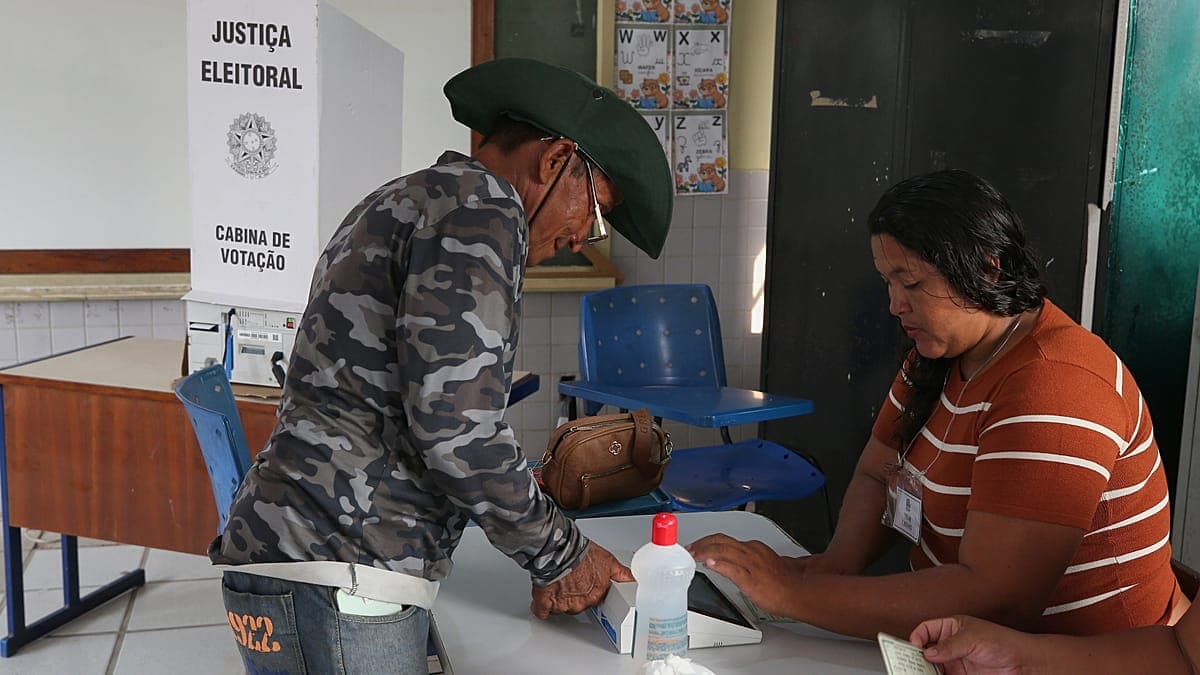
During the counting, Bolsonaro was ahead for some time, but after results came in from the northeastern states, Lula regained the lead — this region traditionally supports the incumbent president. With just over 78% of ballots counted, the polling institute Datafolha had already projected Lula's victory. In total, the country has 499,248 polling stations; by the time the updated results were published, 498,105 had been processed. The voter rolls included 158.7 million people, and about 127.9 million came to the polls, turnout was 80.79%.
Dispute over voting hours
The voting was accompanied by disputes over polling station closing times. On election day, both candidates asked to extend voting in a number of cities due to bus service problems and heavy rains. After the polling stations closed, Supreme Court Justice Cristiano Zanin ordered voting to be extended nationwide by another two hours. The decision caused logistical difficulties: at some polling stations, the electronic voting machines had already been shut down by the time the order was received.
Significance of the result
A victory with a margin of about 4.35 million votes and turnout above 80% confirms the continued split of the electorate, which sources described as nearly equal support for the candidates before the second round. For readers, this means a change or continuation of the political course of Latin America's largest country depending on the formation of the new government; however, sources do not report on the candidates' plans after the announcement of the results or on possible challenges to the outcome — these questions remain open.