The key facts
- On October 25, 2026, Brazil held the second round of the presidential election between Lula da Silva and Flávio Bolsonaro
- In remote areas of the Amazon, voters reached polling stations by canoe and motorboat
- Official results were expected in the evening of October 25, approximately from 20:30 to 21:00 Brasília time
Second round of the presidential election in Brazil
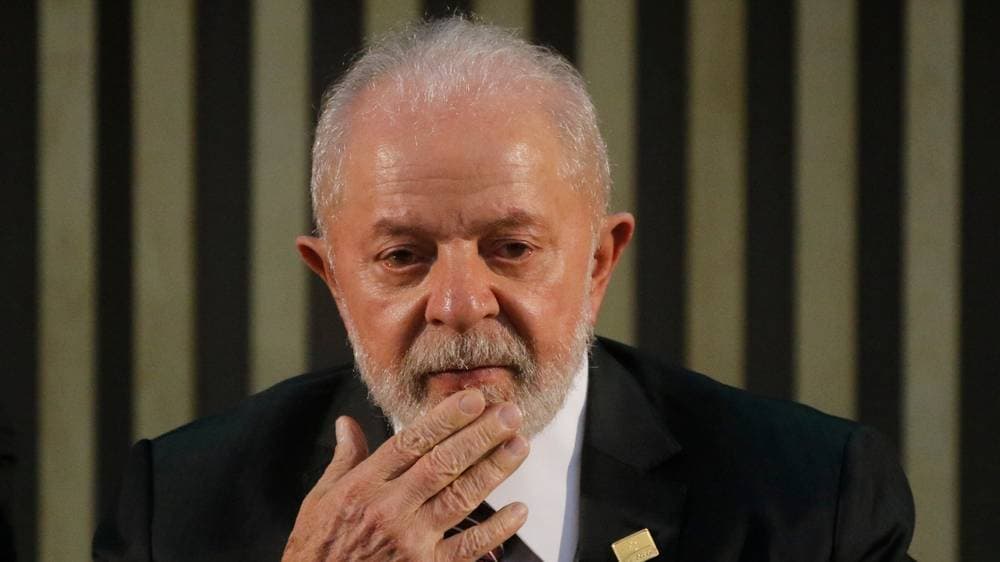
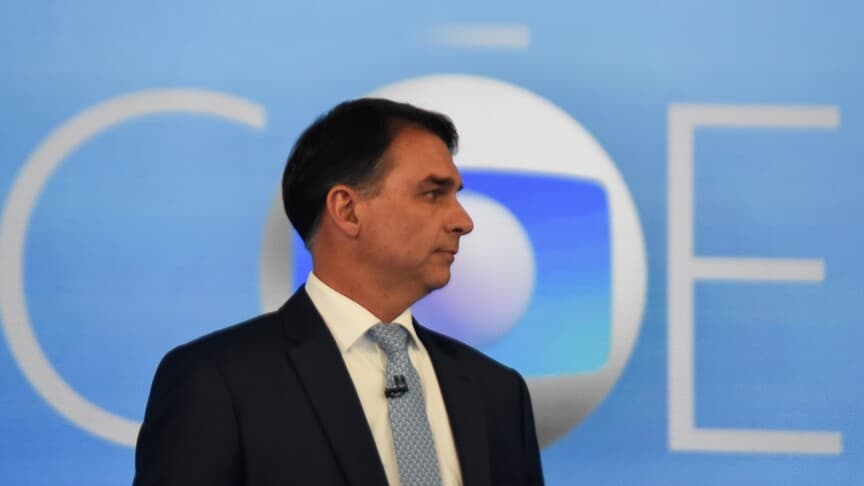
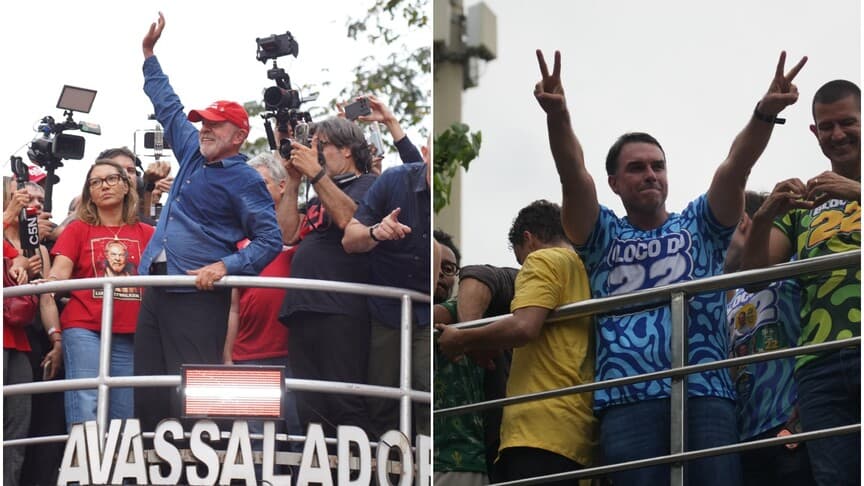
On Sunday, October 25, 2026, the second round of the presidential election took place across Brazil. Competing for the post were incumbent head of state Luiz Inácio Lula da Silva and Senator Flávio Bolsonaro, Euronews reports. Voters headed to polling stations across the country, and, according to journalists' observations, voting proceeded with high turnout and a noticeable emotional intensity.
Queues in the favelas and river routes of the Amazon
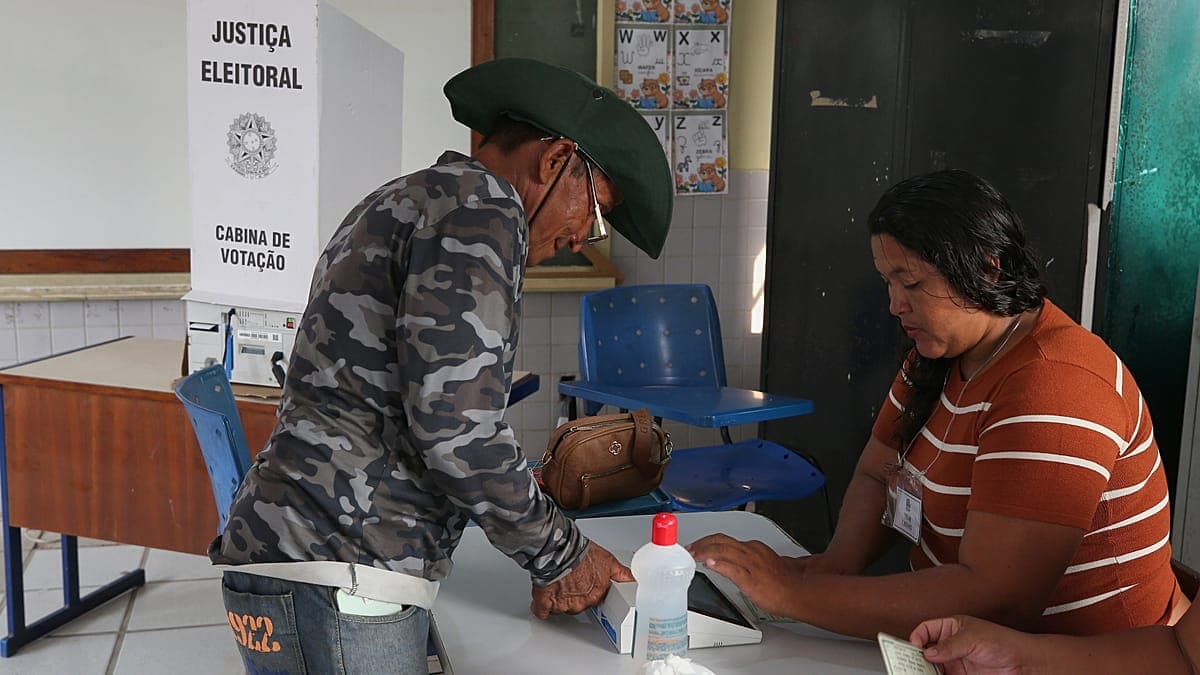
The geography of the vote underscored the scale of the country and the uneven access to polling stations. In the Rocinha favela in Rio de Janeiro, long queues of people wishing to vote formed, which, according to Euronews, vividly reflects the deep divide in society over this election. In the Amazon, residents of the remote community of Lago do Catalão reached the ballot boxes by canoe and motorboat: river routes remain the only way to get to polling stations in this part of the jungle. In the capital Brasília, voters demonstrated passionate support for both candidates, underscoring how difficult the choice had become for society.
Waiting for the results
Official results of the vote were expected as early as the evening of October 25 — approximately from 23:30 to 00:00 Central European time, which corresponds to roughly 20:30–21:00 Brasília time. At the time of publication of the sources, the results had not been announced, so the winner of the second round remained unknown.
Significance of the event
The election in Brazil matters not only to the country's citizens: the outcome of the contest between the incumbent president and the senator will determine the political course of one of the world's largest economies. For Brazilians themselves, the practical significance is already evident in the organization of the vote — from the long queues in Rocinha to the delivery of voters along the Amazon rivers, which shows how costly a task it is for the electoral system to ensure access to the ballot boxes in hard-to-reach areas. The outcome of the round will be known from official data, which were expected that same evening.