The key facts
- On October 23, Iranian Ambassador Mohammad Ali Iskandari was summoned to the Ministry of Foreign Affairs of Uzbekistan and handed a note of protest
- Iranian embassies in Armenia, Bulgaria, Zimbabwe, Finland and China deleted posts about Samarkand
- The trigger was a post by the embassy in Armenia, which called Samarkand part of Persian civilization in response to Marco Rubio's visit
What happened
Iranian embassies in several countries have deleted posts from the social network X about the historical and cultural heritage of Samarkand that provoked a protest from Tashkent. According to the Ministry of Foreign Affairs of Uzbekistan, cited by Kun.uz, the relevant publications were removed by the embassies in Armenia, Bulgaria, Zimbabwe, Finland and China. Gazeta.uz clarifiesthat as of October 27 the embassies in question were those in Armenia, China and Zimbabwe; as of October 25, the link to the Armenian embassy's post was no longer working.
The cause of the conflict
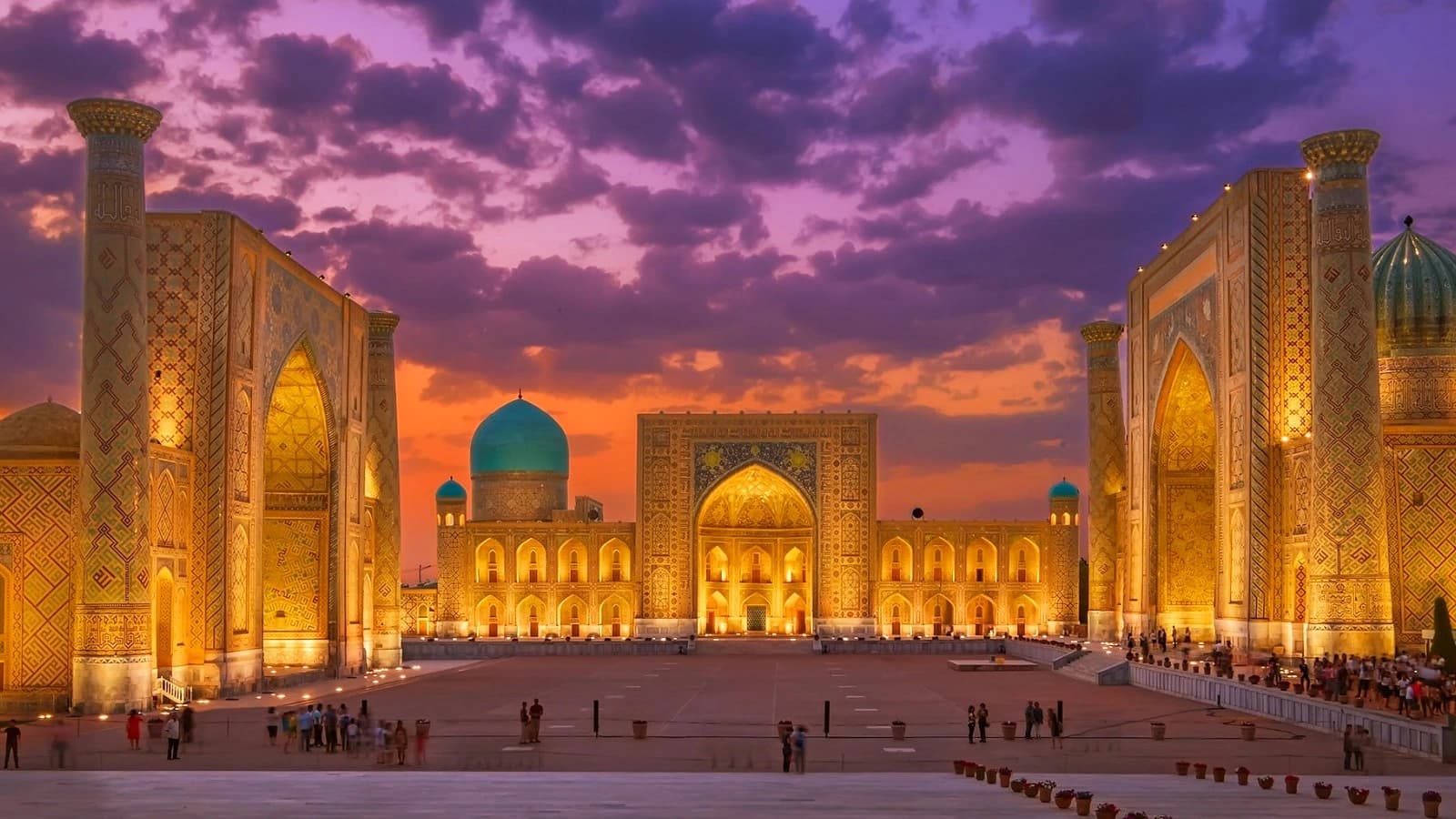
The dispute began with US Secretary of State Marco Rubio's visit to Uzbekistan: on October 19 he recorded a video in front of the Registan Square in Samarkand, noting the city's historical role in world trade. The Iranian embassy in Armenia responded that Samarkand is 'part of Persian civilization and architecture,' and reminded Rubio of his October 7 speech in Athens, in which he spoke about the confrontation between the ancient Greeks and the Persians, including the destruction of the Acropolis by the troops of the Persian king Xerxes and the resistance of the Spartans; it also contrasted the Western notion of heroism with the ideology of Iran's current leadership, accusing it of promoting a cult of death.
Tashkent's reaction
On October 23, the Ministry of Foreign Affairs of Uzbekistan summoned Iranian Ambassador Mohammad Ali Iskandari and handed him a note of protest. The ministry stated that the heritage of Samarkand, Bukhara and Khiva is an integral part of the centuries-old history of the Uzbek people and the traditions of their statehood, demanded that the posts be deleted and that such situations not be allowed to recur. In the note, which Kun.uz reported on, the publications were characterized as distorting the historical and cultural heritage of Samarkand and as having a provocative political character. After the démarche, the posts began disappearing from the social media accounts of Iranian diplomatic missions.