The key facts
- ICAO withdrew the warning, in effect since March 22, 2013, on flight safety in the Damascus flight information region
- Risk assessments will now be based on up-to-date international safety standards
- EASA maintains its conflict zone bulletin for Syrian airspace until November 30, 2026
ICAO withdrew the warning that had been in effect since 2013
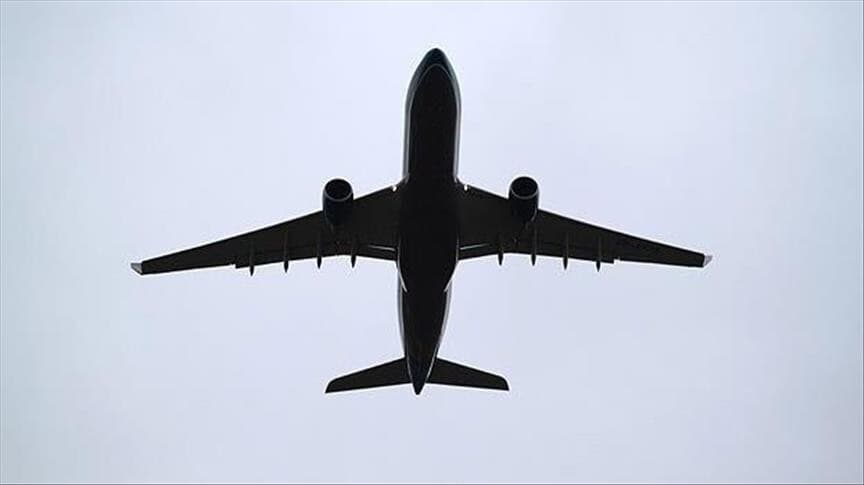
The International Civil Aviation Organization (ICAO) has withdrawn the safety warning for Syrian airspace that had been in effect for more than 13 years, the Syrian Civil Aviation Authority announced on Monday. The Anadolu agency reported this, citing the Syrian Arab News Agency (SANA).
Statements by the Syrian authorities
The head of Syria's General Authority of Civil Aviation and Air Transport, Omar al-Hosari, called the withdrawal of the warning an important step toward reintegrating Syrian airspace into the international aviation network. According to him, ICAO confirmed that the previous warning issued in 2013 will no longer serve as a basis for operational decisions regarding Syrian airspace: risk assessment will now rely on updated international aviation safety and security standards.
What this changes and what remains
Al-Hosari noted that the decision will allow states, aviation authorities, and international airlines to reconsider decisions on transit flights through Syrian airspace, as well as flights to and from Syrian airports. This could increase transit traffic volumes and encourage airlines to consider resuming flights to Syria. At the same time, he emphasized that the withdrawal does not automatically lift operational restrictions imposed by individual countries and regulators: the decision is meant to support technical and diplomatic efforts to remove them on the basis of internationally recognized safety assessments.
Context and remaining restrictions
The original ICAO warning of March 22, 2013 concerned the safety of civil aircraft in the Damascus flight information region. As Anadolu notes, the EU European Union Aviation Safety Agency (EASA) maintains a conflict zone bulletin for Syrian airspace, revised on October 1 and valid until November 30, 2026. In April, Syria had already opened air corridors and resumed flights at Damascus International Airport after temporary closures linked to regional tensions. Al-Hosari described restoring Syria's role in international air navigation as a strategic priority capable of increasing air traffic and supporting economic activity and investment in the country's civil aviation.
Why it matters
The withdrawal of the ICAO warning removes the formal international benchmark that airlines and regulators relied on for 13 years when planning flights over Syria, and opens the way to revising routes and resuming flights. This directly affects international carriers, passengers, and Syria's civil aviation economy. In practice, however, flights will not resume automatically: the EASA bulletin, valid until November 30, 2026, and restrictions imposed by individual states remain in place and will have to be reviewed separately.