The key facts
- Classes resumed in Johor after a 10-day suspension that affected more than 1,000 schools and about 600,000 students
- On Monday and Tuesday, attendance is limited to exam students; a full return is expected on Wednesday if the improvement continues
- Air quality remained unsatisfactory in eastern Sarawak districts and in Singapore
Johor schools reopen after ten days of suspension
In the southern Malaysian state of Johor, in-person schooling resumed on Monday after air quality improved following a week of toxic haze from forest fires in neighboring Indonesia. The suspension lasted 10 days and affected more than 1,000 schools and about 600,000 students, AFP reports.
Phased return and monitoring data
Johor's education and information committee chairman, Muhammad Nakib Md Gazali, said that the decision was made after analyzing air quality readings across the state and assessing health risks. On Monday and Tuesday, attendance is limited to students sitting exams, with a full return to normal operations expected on Wednesday if air quality continues to improve. By Monday evening, the air in Johor and across much of peninsular Malaysia had improved: according to state monitoring, no district recorded unhealthy pollution levels.
An uneven picture across the region
The situation in the region remains uneven. Several districts in the eastern state of Sarawak, including the capital Kuching, continued to report unhealthy air quality. Singapore on Monday afternoon was still among the 20 most polluted major cities in the world according to the Swiss monitoring service IQAir. According to deforestation monitoring by Nusantara Atlas, fires in Indonesia destroyed more than 1.9 million hectares in the nine months through September. On Saturday, Indonesia reduced natural gas exports to Singapore in favor of domestic demand — the countries differ over regional air pollution from the fires.
Meteorologists' forecast
Malaysia's meteorological department expects a shift in wind direction to reduce the risk of new haze episodes until the end of the year. «Since the wind direction has finally shifted from southwesterly to northeasterly, we highly expect there will be no more haze episodes this year,» the department's director general, Mohd Hisham Mohd Anip, told AFP.
Why it matters
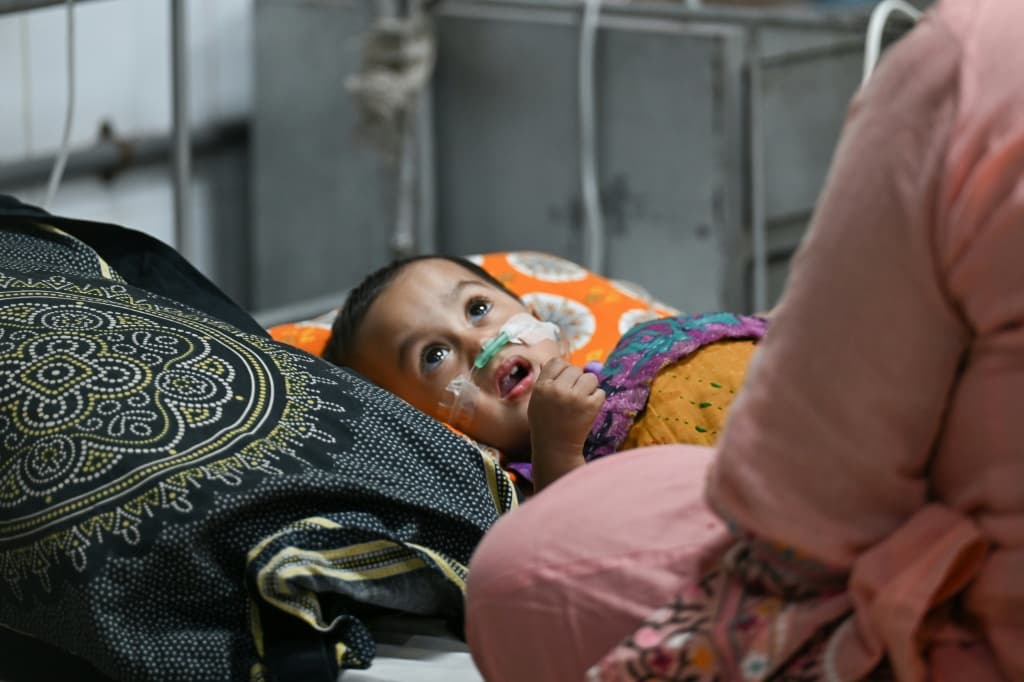
The haze crisis directly affects millions of people in Southeast Asia: in Johor alone, about 600,000 schoolchildren spent more than a week without in-person classes, and complaints about breathing problems were rising across the region, AFP notes. The practical consequences are already tangible: schools are returning to a phased schedule with priority for exam students, and Indonesia's cut in gas exports to Singapore shows that air pollution is turning into economic and diplomatic friction between countries.