The key facts
- Marine Le Pen opened her 2027 election campaign with a rally in Orléans, promising to 'restore the rule of law' and a 'double border' — French and European.
- Marine Le Pen opened her 2027 election campaign with a rally in Orléans, promising to 'restore the rule of law' and 'double borders' — French and European.
- Jordan Bardella was re-elected party leader with 98.98% of the vote and named the candidate for prime minister if Le Pen wins.
- Jordan Bardella was re-elected party leader with 98.98% of the vote and named as the candidate for prime minister if Le Pen wins.
- Bardella's speech was interrupted by activists of the Union of French Jewish Students with a banner about antisemitic messages; he rejects the accusations.
Campaign launch in Orléans
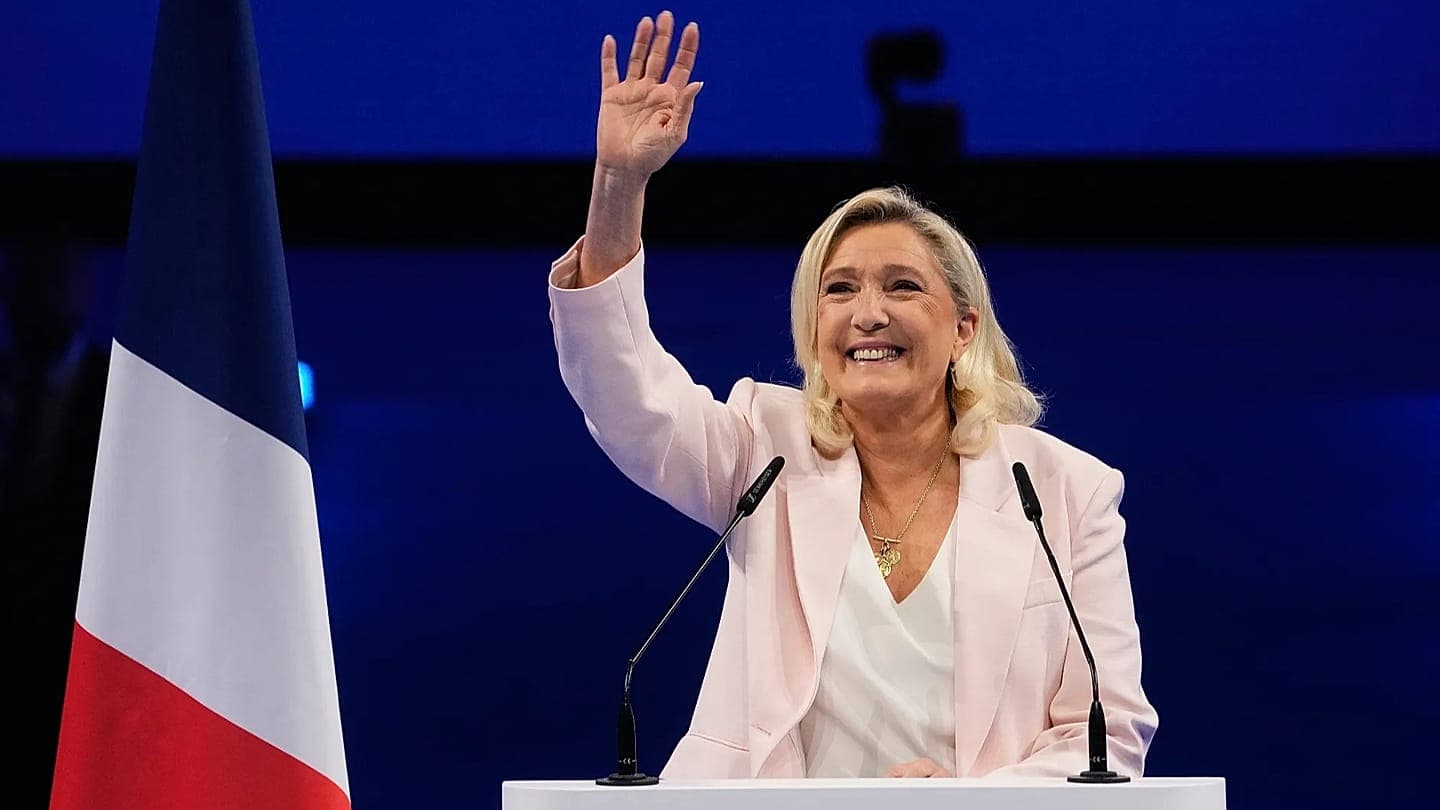
Marine Le Pen, leader of the far-right National Rally (RN), officially launched her presidential campaign with a rally in Orléans, which, according to the organizers, drew about 8,500 supporters. Outlets differ on the dating of the speech: euronews describes it as the first rally of the campaign on Sunday, whereas Anadolu places the promise to 'restore the rule of law' on Monday at the party congress in Orléans. According to AFP, Le Pen declared: 'We will offer the country not a return to the past, but the helm of a new era', and pledged to preserve France's cultural identity — its language, traditions, values and way of life.
The candidate's main promises
The central theme of the campaign was the 'restoration of the rule of law'. According to euronews, Le Pen asked: 'Who can claim that we have a rule of law when crowds come to loot and set fire to our buildings or stage real raids in front of police officers who have been deliberately disarmed — materially and morally?' — referring to the riots and clashes of October 17 at the protests against the rising cost of living. She promised 'certainty' in opening cases and enforcing sentences, the expulsion of foreign offenders, a 'national priority' and a 'double border — French and European'. AFP quotes her as saying that 'French citizenship will once again become a privilege that is either inherited or earned', along with promises to lower the cost of life through capped electricity bills, tax cuts and a reduction in France's contributions to the EU. In foreign policy, without mentioning Ukraine directly, she assured that France 'will not send' young people 'to die in reckless or irresponsible military adventures', 'and even less in wars that are not ours'; AFP notes her criticism of NATO and of support for Ukraine.
Bardella: the candidate for prime minister and the banner incident
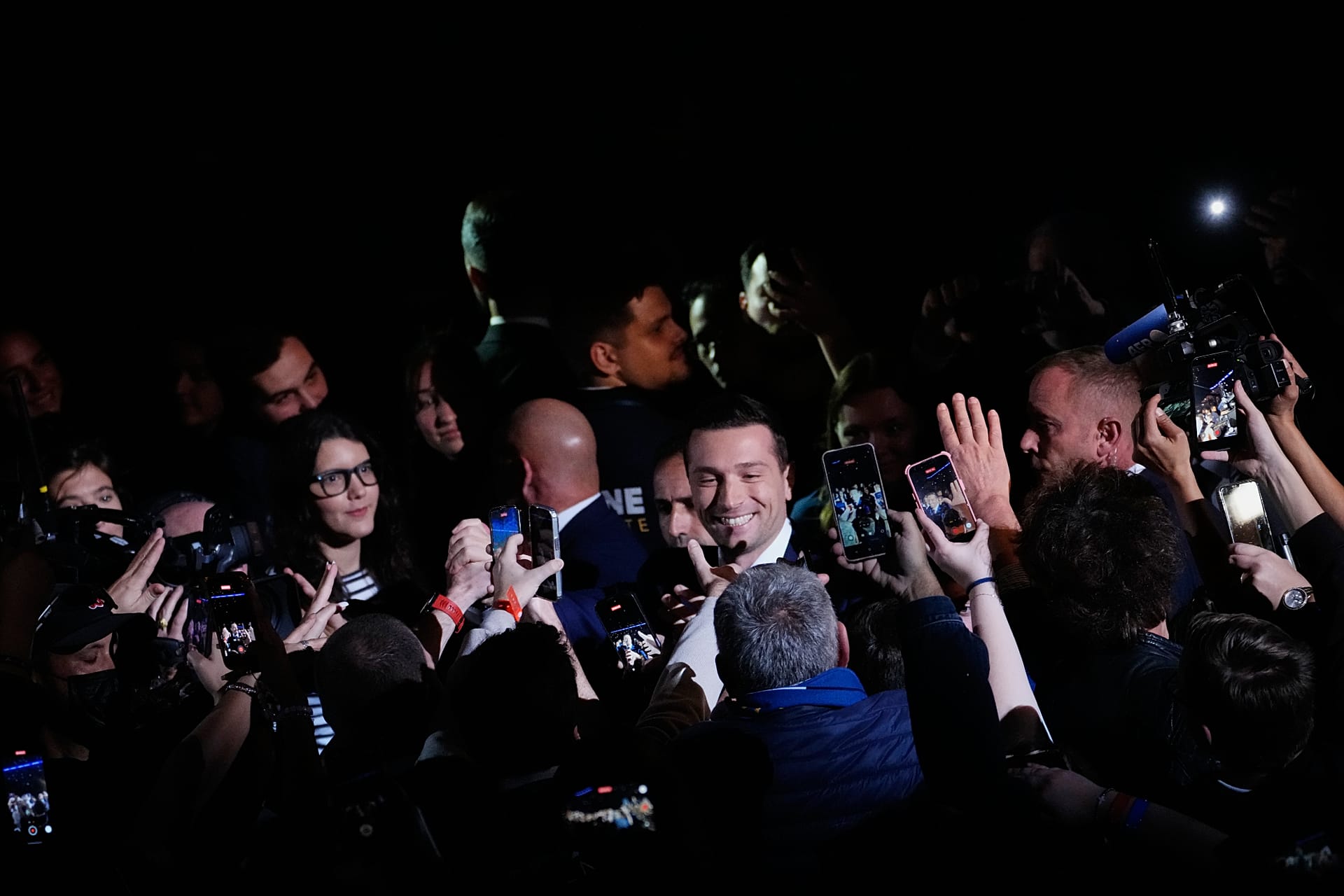
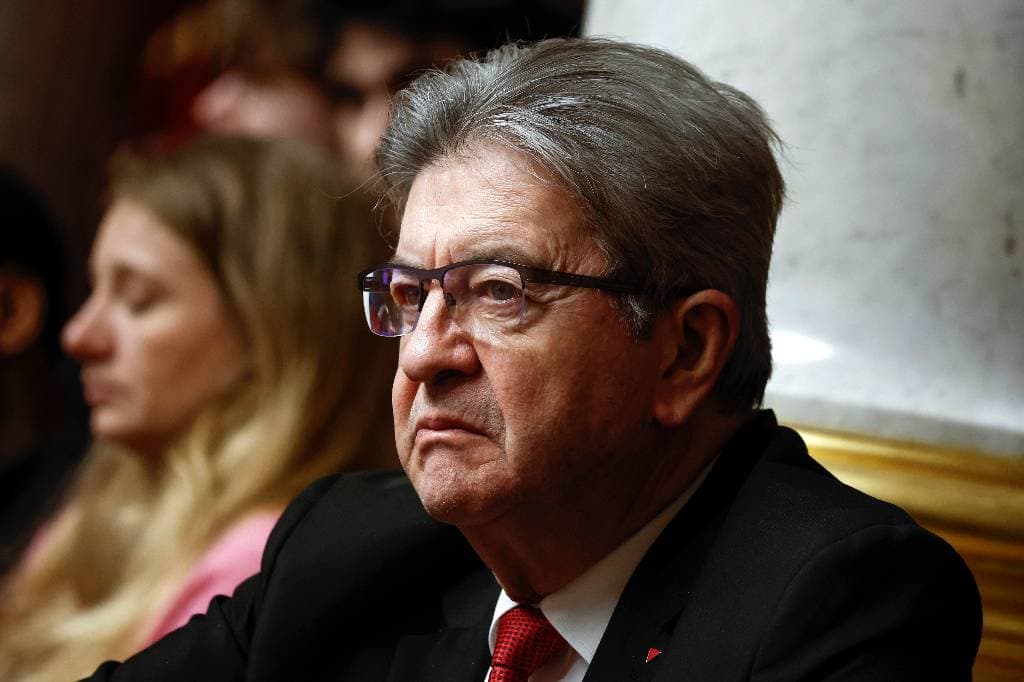
Le Pen endorsed RN president Jordan Bardella as her choice for prime minister in the event of victory, calling the future government 'open and pluralistic'. The day before, at the party congress under heightened police security, Bardella was re-elected chairman — as the sole candidate — with 98.98% of the vote; Le Pen also gave up leadership of the RN group in the National Assembly for the campaign, and deputy Sébastien Chenu took her place. Bardella's speech, in which he attacked the government and accused La France Insoumise (LFI) and Jean-Luc Mélenchon of 'fanning the flames of insurrection', was briefly interrupted by activists of the Union of French Jewish Students (UEJF), who unfurled a banner referring to a report about allegedly deleted antisemitic messages from his old Facebook account. UEJF confirmed on X that it was behind the action; the banner read: 'Bardella's re-election: racism and antisemitism do not bother the RN — quite the opposite'. The protest referred to a Mediapart investigation into messages attributed to Bardella at the age of 18; he rejects the accusations. Bardella called not to 'give publicity to the far left, which hates democracy' and suggested singing the 'Marseillaise'. According to AFP, he also promised to rein in the 'far left', lower the age of criminal responsibility to 16 and expel 'offenders and criminals'.
Context of the protests and the balance of power
The rally took place against the backdrop of weeks of protests against the rising cost of living, fuel prices and underfunding of education: according to euronews, the latest round of actions brought out between 410,000 and 800,000 people, and 1,314 people were detained; AFP reports more than 400,000 participants and more than 1,300 arrests, while Interior Minister Laurent Nuñez blamed a significant share of the violence on 'far-left' extremists. On Saturday morning in Orléans, an authorized demonstration by trade unions and left-wing parties was held against the congress — 13,000 people according to the local council and 26,000 according to the organizers; 3,000 security personnel were deployed in the city over the weekend. Prime Minister Sébastien Lecornu will hold talks with schoolchildren's organizations on Monday, as Louis Letoublon, the leader of one of the groups, told AFP. According to an Ipsos poll published on Saturday, Le Pen would win 32–34% in the first round of the elections to be held in April and May 2027; the poll also recorded widespread discontent over the riots, with a majority holding the government responsible. AFP notes that the winner will have to work under spending constraints: France's debt and budget deficit exceed EU limits. The campaign began after an appeals court earlier this year upheld Le Pen's conviction in the case of misuse of European parliamentary assistant funds, but reduced her ban from holding public office.
Why it matters
The launch of the campaign of Le Pen, the frontrunner in the polls, comes amid ongoing protests, and her promises to 'restore order' speak directly to that agenda: trade unions and the 'yellow vests' have already announced they will continue street actions, pointing to a period of escalation ahead of the elections. For voters, what matters in practical terms are the candidate's specific proposals — caps on electricity bills, tax cuts, tougher migration rules and a lower age of criminal responsibility — as well as the declared 'Le Pen–Bardella' pairing, formalized by Bardella's re-election as party leader. It remains unclear how the UEJF banner incident and the Mediapart investigation will affect the campaign, since Bardella rejects the accusations and the circumstances of the action were unclear from the start.