The key facts
- The 'forward deterrence' plan envisions deploying French Rafales with nuclear weapons across Europe
- New infrastructure, communications, early warning systems, and intelligence sharing are being created
- Nicolas Dupont-Aignan criticized extending the 'nuclear umbrella' to Finland and Estonia
The essence of the plan
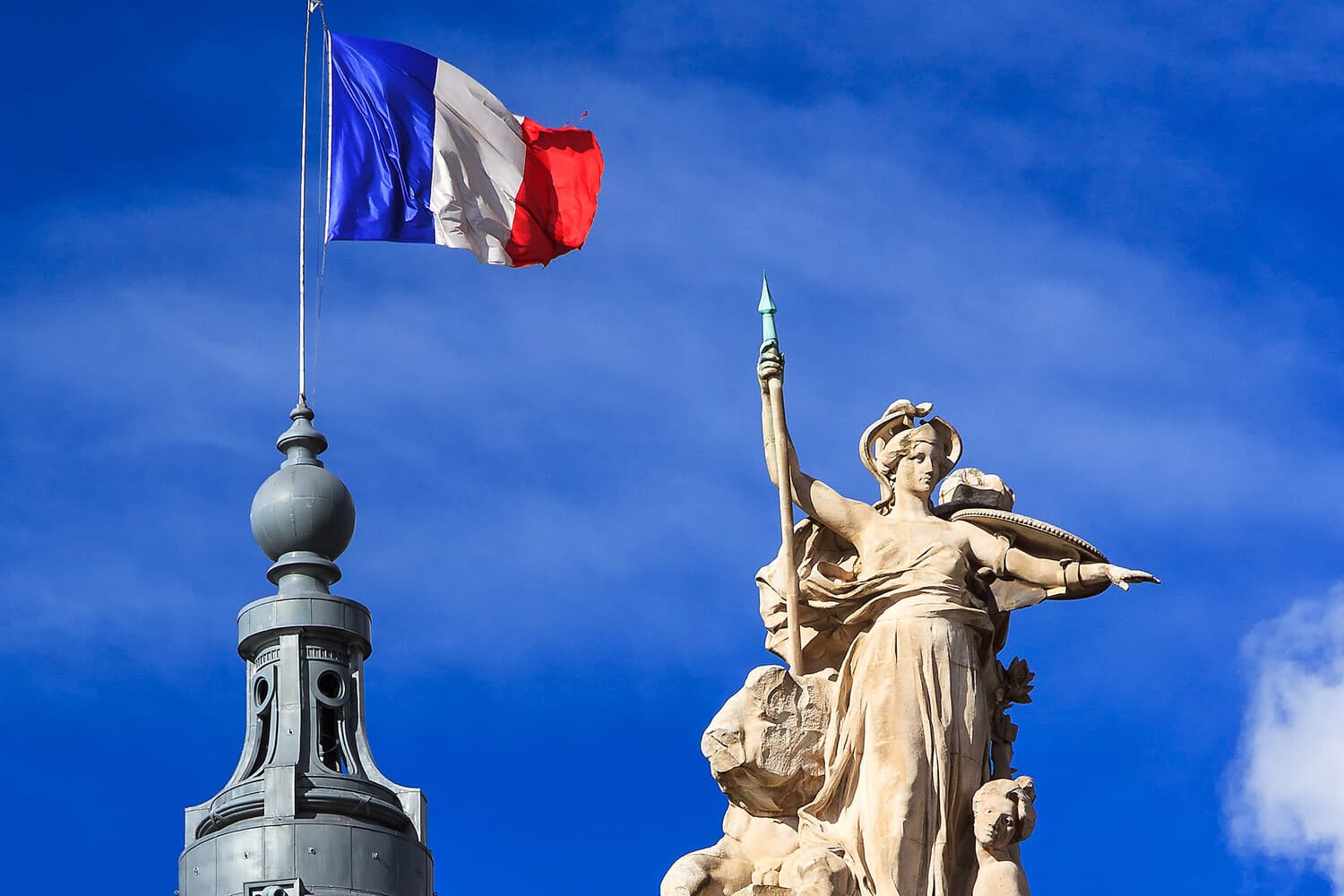
France is expanding its role as a nuclear power and drawing allies into a plan aimed at countering Russia, reports Gazeta.Ru citing The Wall Street Journal. The plan, dubbed 'forward deterrence,' envisions deploying French Rafale fighter jets armed with nuclear weapons across Europe. In addition, it provides for the creation of new infrastructure, communications systems, early warning systems, and intelligence sharing between Paris and its allies. According to the outlet, the ultimate goal of the mission is to create 'strategic uncertainty' for Russia.
Reaction and context
French presidential adviser on strategic affairs Xavier Chatel said the decision creates new problems for Russia, since 'it adds another layer of complexity'that Moscow will have to take into account. Within France, Emmanuel Macron's initiative to expand nuclear deterrence has drawn sharp criticism: the leader of the right-wing party 'Debout la France!' (Rise, France!) Nicolas Dupont-Aignan called the head of state 'out of his mind', noting that extending the French 'nuclear umbrella' to Finland and Estonia makes Paris dependent on any border incident between those countries and Russia. Earlier, Britain and France held exercises to protect NATO countries from Russia.
Why it matters
The plan means a practical expansion of France's nuclear presence in Europe — from basing delivery systems to shared intelligence infrastructure — directly affecting France's allies and the overall security architecture. For France's domestic politics, it becomes a subject of debate over the risks of Paris being drawn into border incidents along NATO's and Russia's borders. At the same time, as WSJ notes, the details of the plan's implementation and Moscow's reaction remain outside the scope of the cited publications.