The key facts
- Two people were killed and 17 wounded in a drone strike on Voronezh, with a significant share of the victims being train passengers, according to Governor Alexander Gusev.
- Fires were recorded at industrial facilities, in a business centre and a residential building; several faculties of Voronezh State University temporarily moved to online learning.
- Russia agreed to trilateral talks with Ukraine and the US in November; according to Moscow, in Abu Dhabi; Zelensky confirmed the meeting.
Attack on Voronezh and its consequences
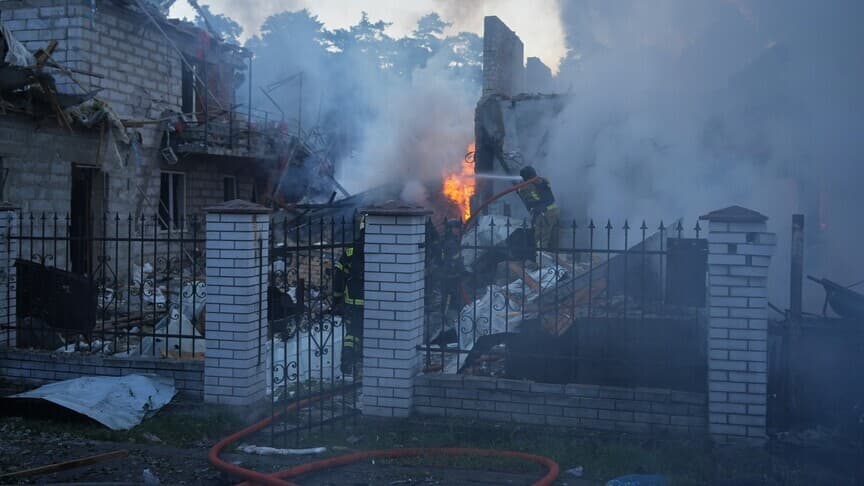
An overnight attack by Ukrainian drones on Voronezh in Russia killed two people and wounded 17, a significant number of whom were travelling on a suburban train: according to Governor Alexander Gusev, debris from a downed drone fell on the train in the city's left-bank suburbs. Gusev said on Telegram that between late Sunday evening and early Monday morning, 'more than 70 drones' were shot down over the city, and called the strike 'a terrorist act.' He did not specify where the two victims died. Fires broke out at several industrial facilities, in a business centre in the city centre and in a residential building, although, according to the governor, the industrial premises did not sustain serious damage. Voronezh, a city of more than a million people, is located about 500 km south of Moscow. A number of faculties of Voronezh State University temporarily moved classes online, the university's leadership told the TASS news agency.
Talks return to the agenda
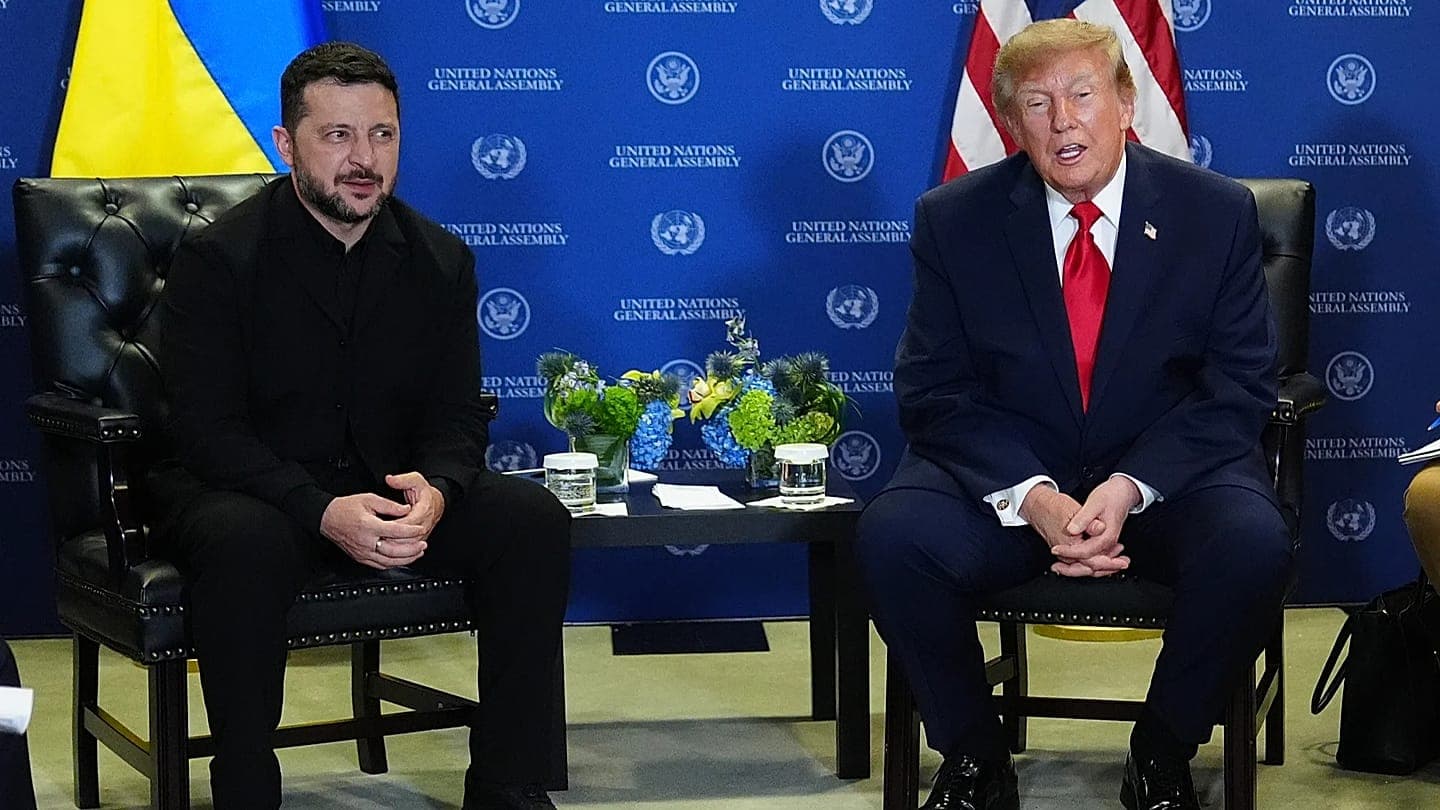
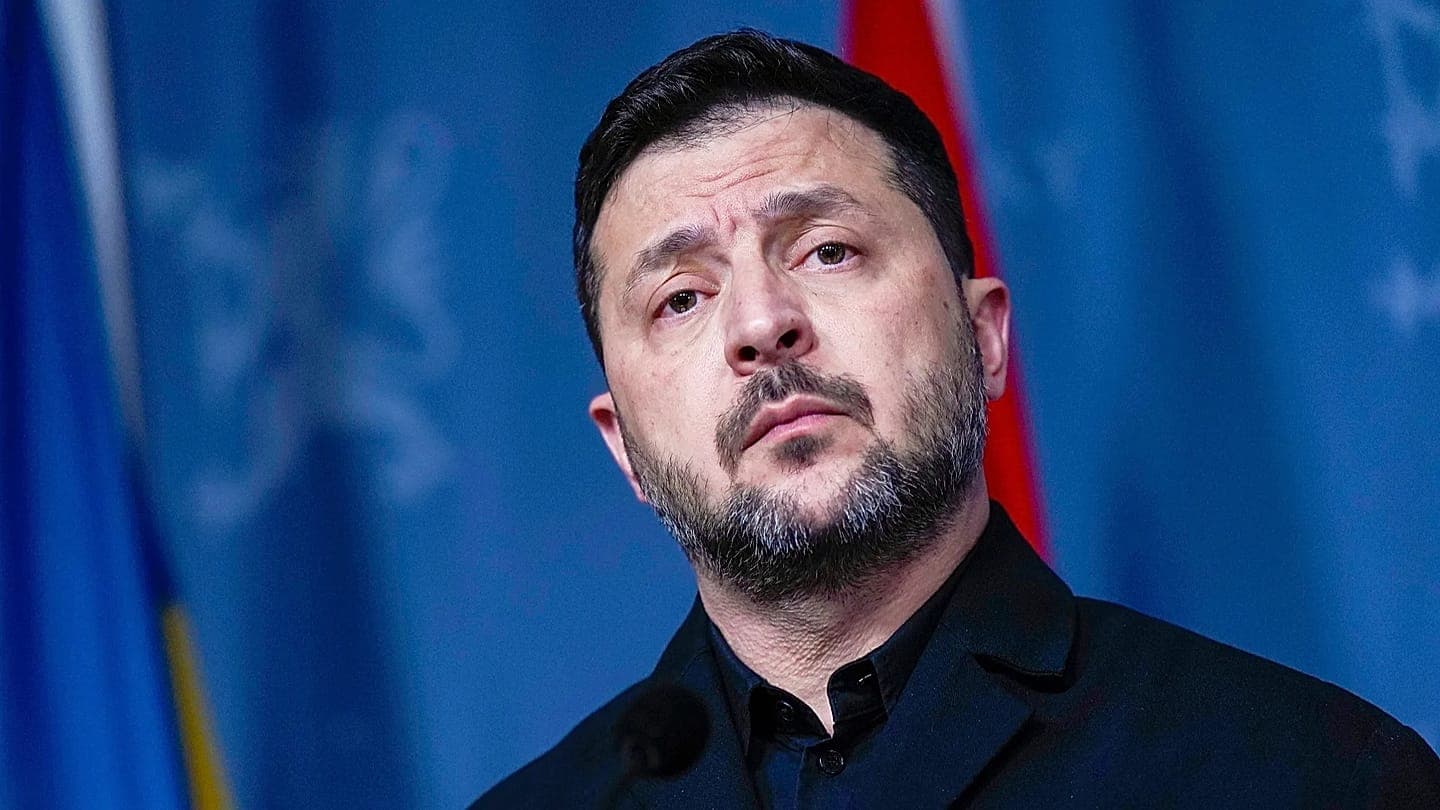
The strike came days after Russia agreed on Wednesday to return to trilateral talks with Ukraine and the United States in November. According to Moscow, the meeting will take place in Abu Dhabi. Direct talks between the parties were held several times in 2025, but did not lead to a settlement and have been frozen since the beginning of this year. Ukrainian President Volodymyr Zelensky confirmed on Ukrainian television on Sunday that the trilateral meeting will take place next month. 'We are ready to talk,' he said, adding that the territorial issue should be decided at the leadership level, while other issues fall within the competence of technical groups. According to Euronews' interpretation, this distinction means that Kyiv wants to take the war's most contentious issue — control over the occupied Ukrainian territories — out of low-level talks and put it into direct dialogue between heads of state. In recent days there have been cautious signs of de-escalation: on Friday, Kyiv and Moscow agreed on a local ceasefire around Oleshky, a heavily damaged Russian-occupied city in Ukraine's Kherson region. The ceasefire was arranged with the mediation of US First Lady Melania Trump. Russia's full-scale invasion of Ukraine began in February 2022.
Why it matters
The combination of a major strike on a city of a million people and a simultaneous agreement to resume talks shows how fragile the current dynamic is: hostilities have not stopped, and the agenda for dialogue is only taking shape. The event directly affects the residents of Voronezh, where civilians were hurt and the university's operations were disrupted, as well as participants in the negotiation process — how issues are distributed between technical groups and leaders will determine what exactly ends up on the table in Abu Dhabi. In practical terms, this means online learning continues at the affected university and preparations for the November meeting, the details of which have not yet been disclosed.