The key facts
- Trump announced Audi's $4 billion investment at a rally in Georgia; the company confirmed construction of a plant near the city of Macon starting in 2027
- The plant will create about 4,500 jobs, with output of up to 200,000 premium SUVs per year planned from the early 2030s
- In Germany, unions and politicians criticized CEO Gernot Döllner's participation in the Republicans' campaign rally
Announcement in the middle of an election campaign
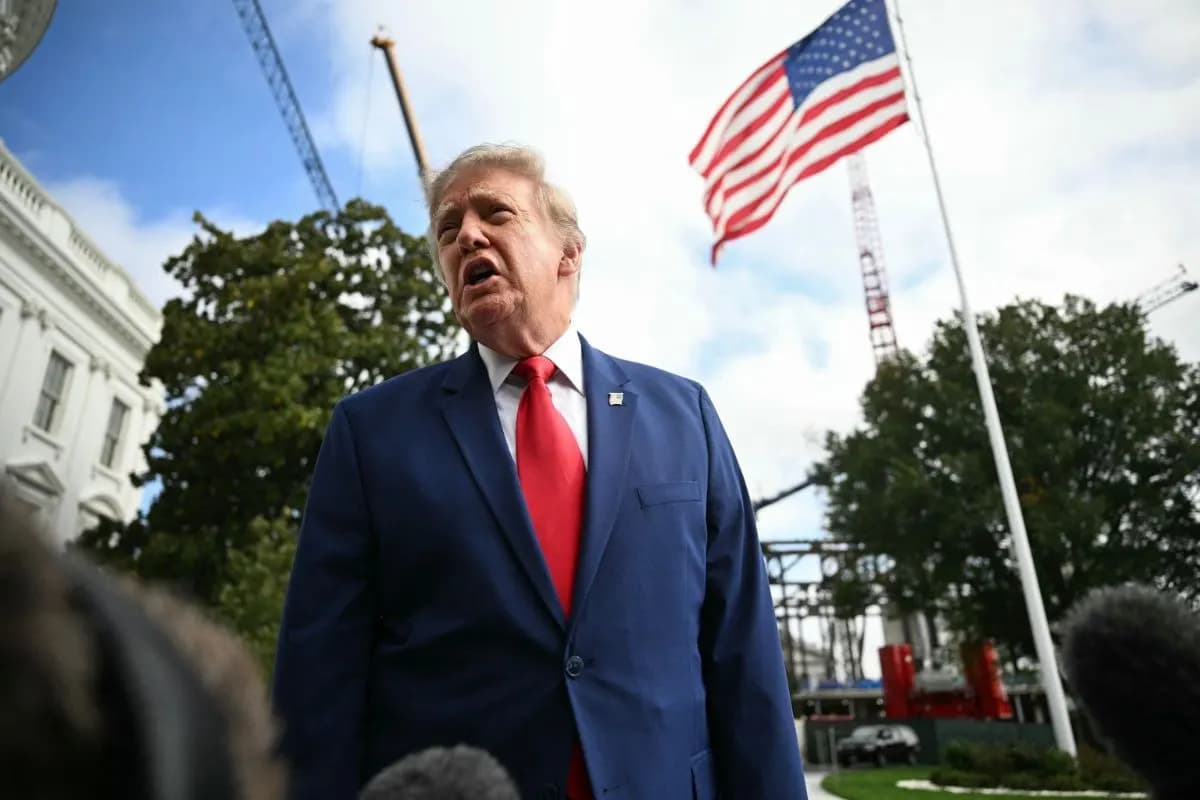
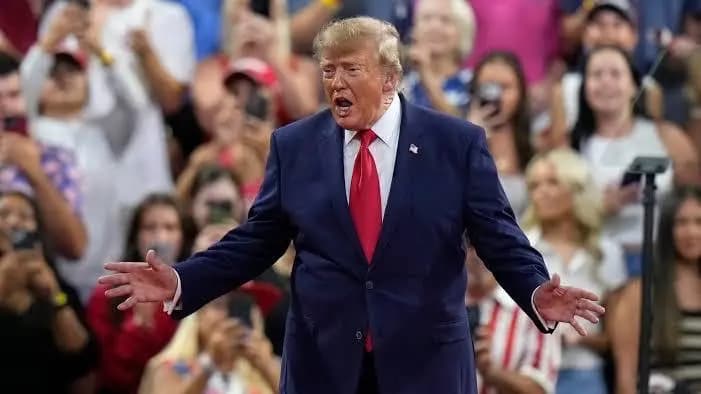
US President Donald Trump announced on Saturday that Audi plans to invest about $4 billion (€3.6 billion) in building the company's first plant on US soil. The statement was made at an election rally in Georgia — a key state for the Republican Party — a week before the congressional midterm elections scheduled for November 3. Audi quickly confirmed the plan: the plant will be built near the city of Macon, construction will begin next year, and production of up to 200,000 vehicles per year is planned to start in the early 2030s. The plant will produce premium SUVs for the American market, which the company called 'one of the most important premium markets in the world.'
The company's motives and the role of tariffs
Trump linked Audi's decision to his 15% tariffs on European cars, saying that 'this would not have happened without tariffs.' The company itself emphasizes that it is investing for growth and business resilience. 'We have far more ambitious plans for Audi in America. The US is one of the most important premium markets in the world, and we have not yet fully realized our potential,' said the company's chief executive Gernot Döllner, who appeared alongside Trump at the rally. At the same time, the tariffs are hitting the company hard: according to Audi, the additional costs from tariffs amounted to about €1.2 billion ($1.3 billion) last year. The brand's sales in the US fell by 16% to just over 160,000 vehicles sold — against the backdrop of fierce competition and Trump's cancellation of electric vehicle subsidies in Audi's second-largest market. According to industry analysts cited by Deutsche Welle, local production will allow the company to avoid or reduce the tariff burden.
Criticism in Germany amid job cuts
In Germany, the deal drew sharp criticism, as the German auto industry is going through a difficult period: Chinese competitors, backed by state subsidies, have surged ahead in the transition to electric vehicles, while BMW, Mercedes-Benz and the parent Volkswagen Group have already issued warnings about declining profits. Volkswagen is preparing to cut up to 100,000 jobs by 2030, and the Audi plant in Neckarsulm with about 15,000 employees is among four facilities under threat of closure. The main criticism was directed at Döllner's appearance at the Republican rally. SPD politician Isabel Cademartori called it 'helping the campaign of an autocrat waging a trade war against Germany,' adding that it was 'a disgrace, especially given the history of the Volkswagen Group.' IG Metall union chief Christiane Benner described the appearance as 'extremely awkward, politically unacceptable and unworthy of the company,' while VW works council chair Daniela Cavallo said Döllner had allowed himself to be turned 'into a puppet in Trump's propaganda show.' At the same time, Cavallo acknowledged that the US plant could make business sense, since the group needs to increase its share of the US market. An Audi spokesperson called the investment 'not a decision against Germany, but a step toward strengthening our global competitiveness,' and the company's supervisory board chairman Manfred Döss said the future cannot be secured through cost-cutting alone: 'Courage to invest is needed.'
Elections and the broader context
According to Deutsche Welle, the announcement appears timed to the November 3 midterm elections, and its staging in Georgia is a strategic move in support of local Republican candidates. Since returning to the White House, Trump has used tariffs and political pressure to push global automakers to move plants to the US: Audi follows Stellantis and Toyota, while Honda is in talks about a new American plant, and General Motors and Ford have promised to increase domestic production. Although a single announcement is unlikely to change the mood of many voters, it fulfills one of Trump's main promises — to revive industrial manufacturing in the US.
Why it matters
Audi's decision shows how Trump's tariff policy is reshaping the geography of the global auto industry: a company whose tariff-related costs reached €1.2 billion over the year is moving part of its production to the US, while in Germany plants face the threat of closure and Volkswagen is preparing to cut up to 100,000 jobs. For German workers, this means the risk of further shifting of production overseas, while for American voters in Georgia it means 4,500 new jobs, which became an argument for the Republicans a week before the November 3 elections. The practical consequence: localization in the US will allow Audi to reduce its tariff burden, but at the same time increases pressure on employment in the German industry.