The key facts
- At a rally in Fort Myers, Florida, Trump floated 200 percent tariffs for Russia and Ukraine but expressed doubt about their effectiveness
- According to Trump, tariffs helped end eight conflicts, although the White House included non-military confrontations in the list as well
- Moscow is ready to resume trilateral talks with the US and Ukraine in the first half of November — Yuri Ushakov
Trump floated the possibility of 200 percent tariffs
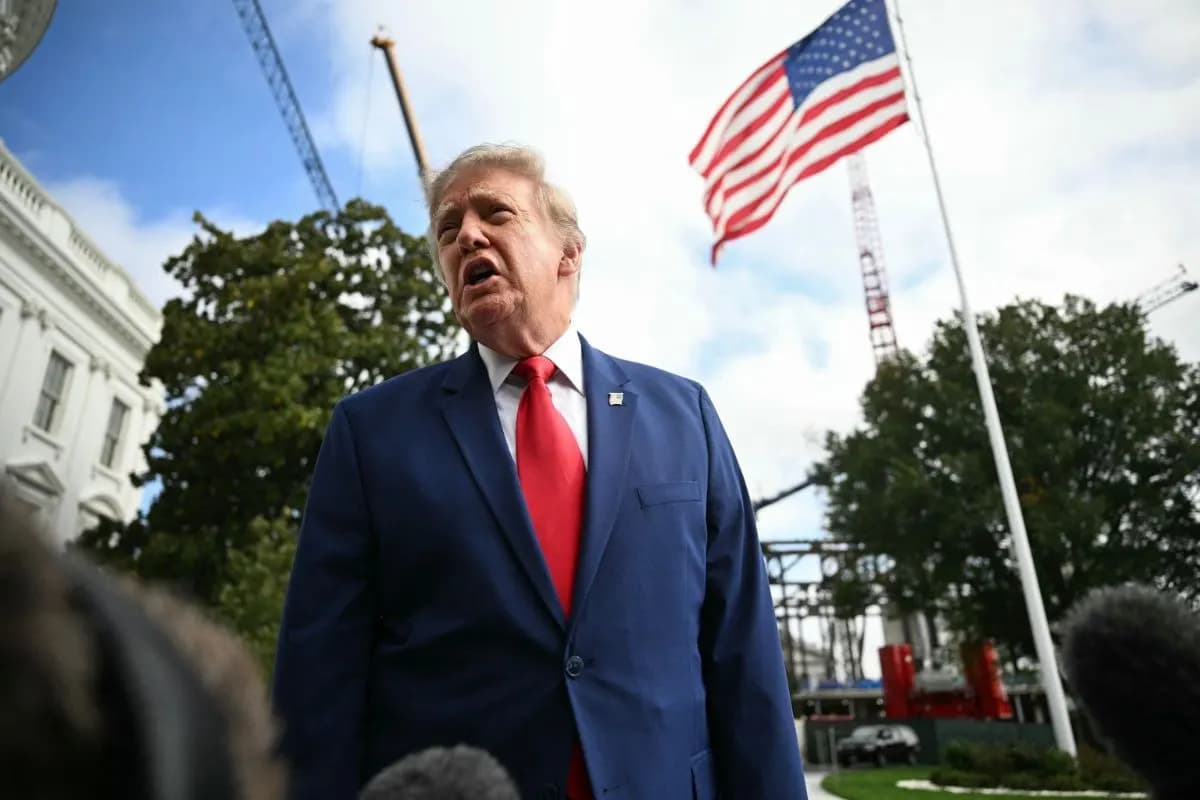
US President Donald Trump mentioned the possibility of imposing 200 percent tariffs due to the fact that a peace agreement between Russia and Ukraine has not been reached. At the same time, he himself expressed doubt about the effectiveness of such a measure. The statement was made at a campaign rally with Republicans in Fort Myers, Florida, reports Zamon.uz.
“It may still not work”
“Tariffs have helped us end eight wars. Perhaps we should apply this approach to Ukraine and Russia immediately. I hadn’t thought about it before, but it may still not work, because we don’t buy many things from them,” the outlet quotes Trump as saying. Trump constantly emphasizes that since returning to the presidency he has helped settle eight conflicts. The White House included in this list the confrontations between Armenia and Azerbaijan, Thailand and Cambodia, Israel and Iran, Israel and Hamas, Rwanda and the Democratic Republic of the Congo, India and Pakistan, Serbia and Kosovo, as well as Egypt and Ethiopia. At the same time, as Zamon.uz notes, not all of them are military clashes.
Context of the negotiations
Trump previously stated that settling the conflict in Ukraine is closer than ever and that he discussed ending the war with Russian President Vladimir Putin, but did not name a specific timeline for achieving peace. On October 21, Putin met in Saint Petersburg with Trump’s special envoy Steve Witkoff; the talks lasted more than three hours. Witkoff handed the Russian leader documents with proposals for an agreement and briefed him on the results of the talks in Oslo. After the meeting, Russian presidential aide Yuri Ushakov said that Moscow is ready to resume trilateral talks with the US and Ukraine in the first half of November. Kremlin press secretary Dmitry Peskov stated that Putin will study and evaluate the American envoy’s proposals.
Moscow’s position
Putin previously spoke about the importance of ending the conflict on terms acceptable to Russia: according to him, the goal is not a temporary truce but creating conditions for a long-term peace. Moscow has repeatedly stated its readiness to continue negotiations, and considers Western sanctions ineffective and illegitimate. Trump’s statement about tariffs remains rhetorical for now: he himself admitted that the measure may not work, and no official decision on the matter has been announced.
Why it matters
The statement concerns everyone following the prospects for settling the war in Ukraine, since it combines a threat of economic pressure with an acknowledgment of its limited effectiveness — Trump himself noted that the US “doesn’t buy many things from them.” The nearest practical milestone remains the possible start of trilateral talks between Russia, the US and Ukraine in the first half of November, announced by Moscow. It remains unclear whether the tariff idea will turn into official US policy.