The key facts
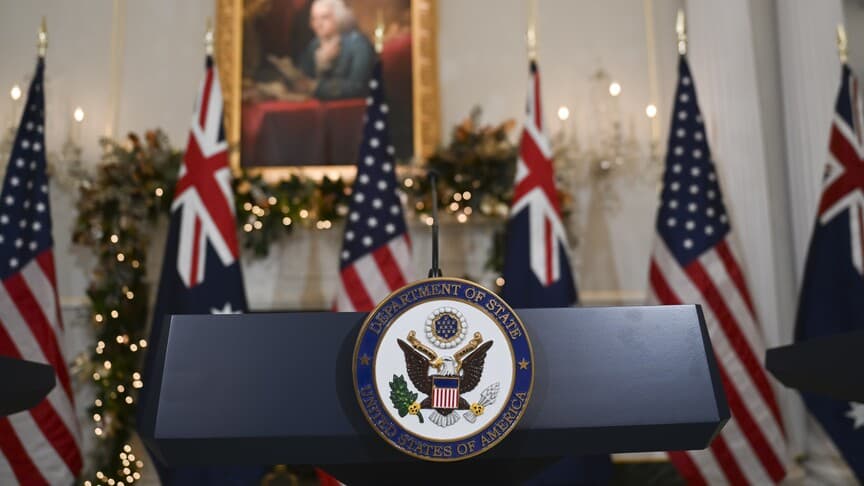
- The US Embassy said the State Department ordered staff without emergency duties and their families to leave as of October 23.
- King Khalid Airport partially reopened on October 25 for domestic flights and some international flights by Saudi carriers.
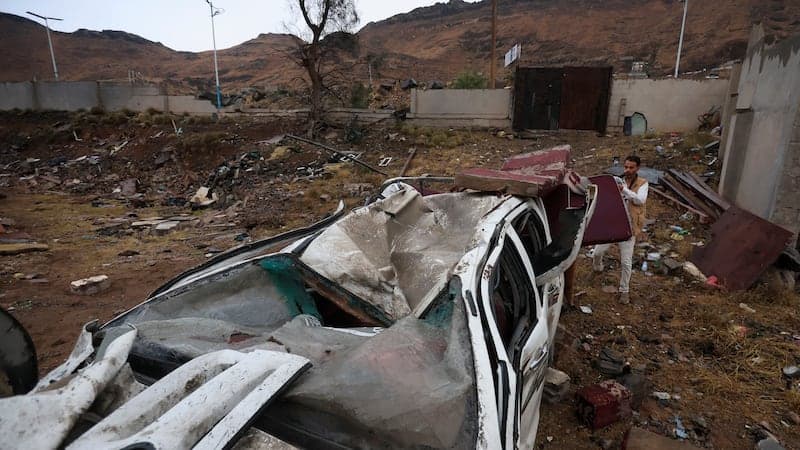
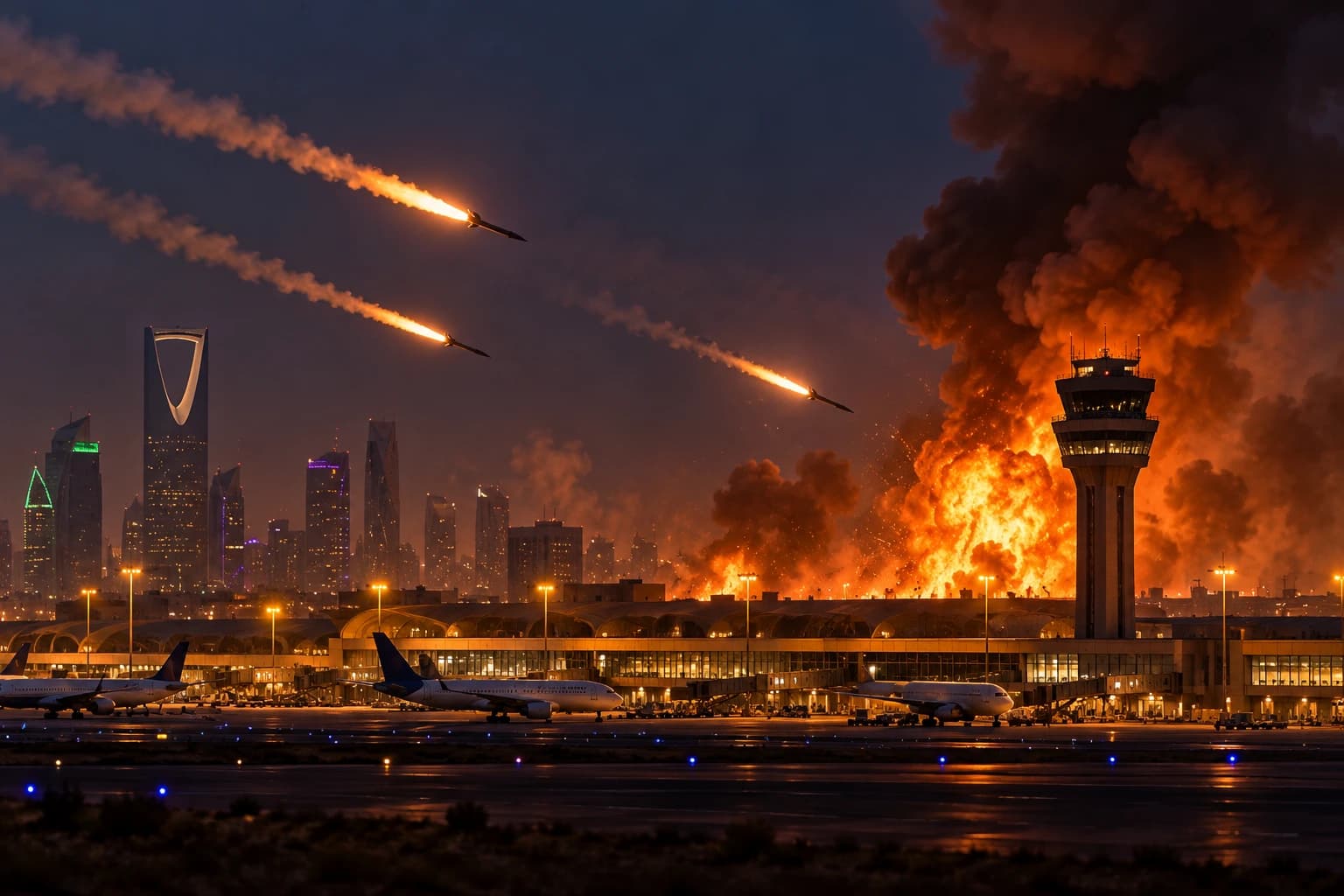
- The October 10 attack on the airport killed 13 people and injured hundreds; the Houthis have again declared the airport a military target.
Partial resumption of operations at Riyadh airport
Riyadh's main airport — King Khalid International Airport — partially resumed operations on Sunday, October 25. According to the US Embassy in Saudi Arabia, it is handling domestic flights and some international flights by Saudi carriers. The airport's operations had been suspended after the Houthi attack on October 10, which killed 13 people and left hundreds injured.
US Embassy warning and staff departure
In an updated security alert, the US Embassy said the State Department had ordered employees without emergency duties and their family members to leave Saudi Arabia; the order took effect on October 23 and was first publicly announced on Wednesday. The Embassy noted that the Iran-backed Houthis are waging hostilities against Saudi Arabia, including strikes on civilian airports and other critical infrastructure, which have caused civilian casualties and severe disruptions to air travel. According to the mission, the fighting
Conflict context and ongoing attacks
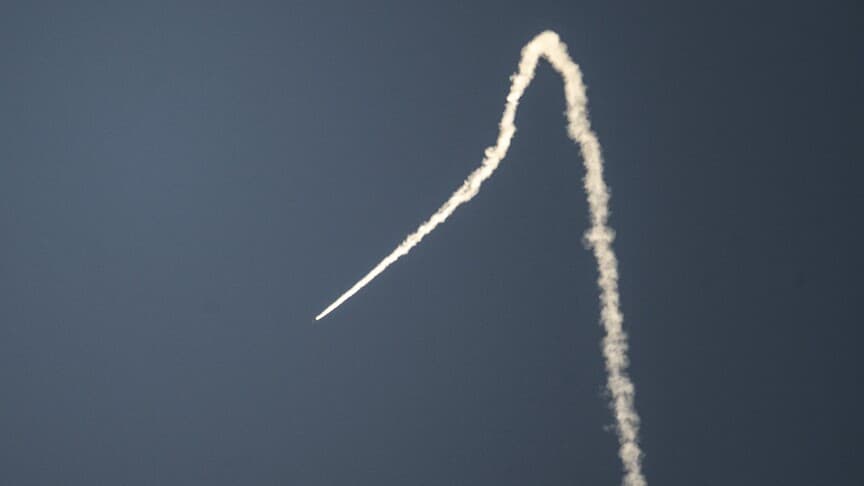
The Houthis have controlled Yemen's capital, Sanaa, and other regions since 2014. According to the Anadolu Agency, in July they resumed hostilities against Saudi-backed government forces after the collapse of the 2022 truce; in addition to aviation, the group has also attacked Saudi energy facilities. The Houthis have renewed their threats against Riyadh airport, stating that it remains a military target despite the partial reopening. On Sunday, Saudi Arabia also intercepted additional missiles and drones — the fighting continues.
What this means
The situation directly affects passengers and airlines: the airport's partial reopening does not mean a full restoration of service, as the US Embassy anticipates possible new attacks, airspace closures, and flight cancellations. For Americans in the country, the practical consequences have been the departure of State Department staff and the introduction of a permit requirement for US government personnel to use airports. The editorial team notes that information about the situation comes primarily from the American side; casualty figures and the scale of the strikes have not been independently verified, and the further course of the conflict remains uncertain.