The key facts
- The UK government has granted permission for gas production at the Jackdaw field; a decision on Rosebank is expected before Christmas, according to BBC sources
- In 2025, the Court of Session in Edinburgh ruled the previous approvals for Rosebank and Jackdaw unlawful because the climate consequences of burning the fuel were not taken into account
- In 2025, the Court of Session in Edinburgh ruled the previous Rosebank and Jackdaw approvals unlawful because the climate impact of burning the fuel was not taken into account
- Rosebank is estimated to contain 300–500 million barrels of oil; its owners are Adura (80%, a Shell and Equinor joint venture) and Ithaca
Jackdaw approval and the upcoming Rosebank decision
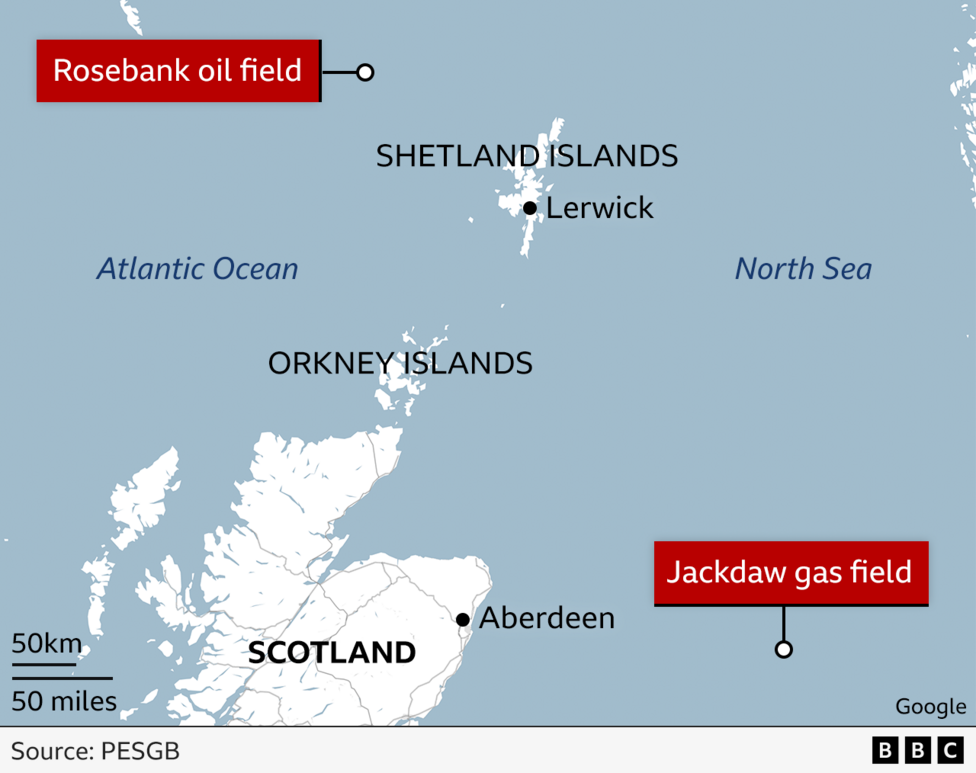
BBC News correspondent James Cook reports from aboard the Petrojarl Rosebank vessel, that the British government, just hours before the journalists arrived, granted permission for gas production at the Jackdaw field in the North Sea. Attention has now shifted to Rosebank — a field 80 miles northwest of the Shetland Islands, which is larger than Jackdaw, will produce higher greenhouse gas emissions and could bring its owners more revenue. According to BBC News sources, the government's decision on Rosebank is expected before Christmas.
What Rosebank is and what life on it is like
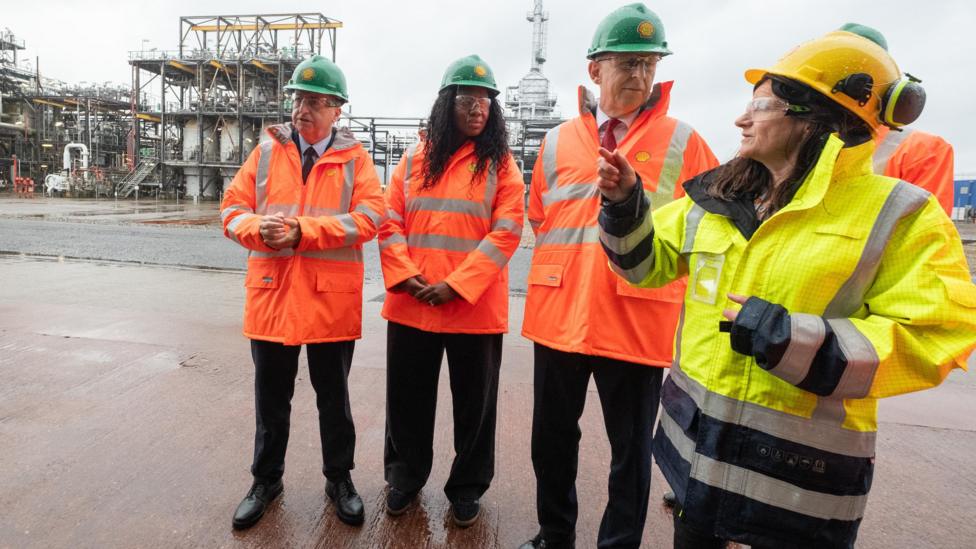
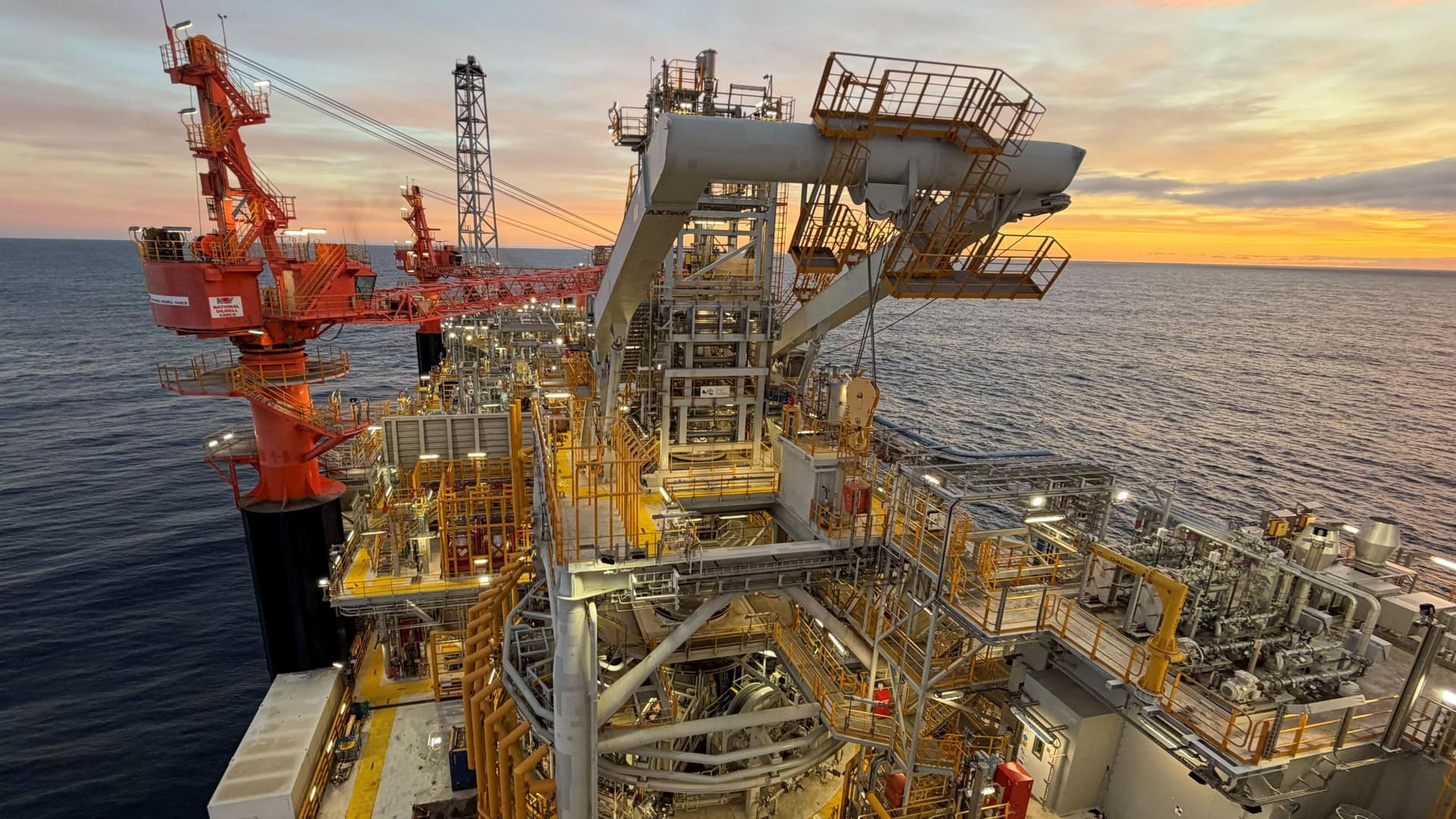
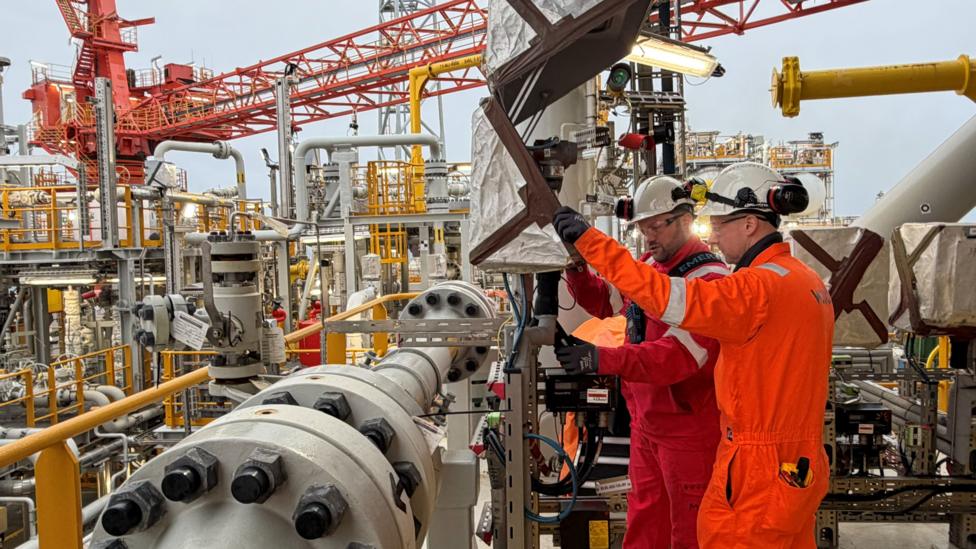
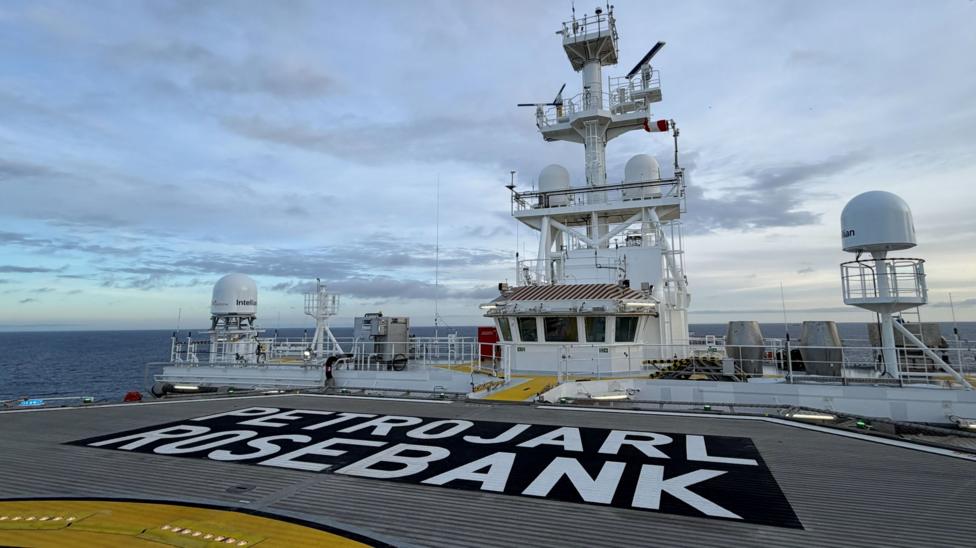
Rosebank is not a fixed platform but a floating production, storage and offloading vessel (FPSO), the Petrojarl Rosebank, chartered by the field's owners from the Aberdeen-based company Altera. There are 122 people on board. The field is estimated to contain between 300 and 500 million barrels — enough for roughly 25 years of production. The oil is to be transferred to tankers via a giant hose and then, most likely, sold on the international market and taken for refining to continental Europe. Workers describe the conditions as good: single cabins, a gym, a sauna, a cinema room and, according to mechanic Euan Leonard, 'fantastic' food. At the same time, he noted that a week before the journalists' visit the vessel experienced a wave 30 metres high, and Altera's head Chris Brett called the conditions west of Shetland 'the harshest in the world' by industry standards.
The legal history and the parties' positions
Permission to produce at Rosebank was first granted by the Conservative government in 2023. In 2025, following a lawsuit by Greenpeace and Uplift, the Court of Session in Edinburgh ruled the approvals for the UK's largest known undeveloped oil field and for Jackdaw unlawful, because the climate effect of actually burning the fuel had not been taken into account when they were granted. Judge Lord Ericht ruled that the developers may continue work not related to production while they prepare more detailed environmental assessments. Uplift's executive director Tessa Khan said that approving Rosebank would be a 'catastrophic decision' and called on Prime Minister Andy Burnham to prioritise renewable energy. Adura's chief executive Neil McCulloch, whose company owns 80% of the field (Adura is a joint venture of Shell and the Norwegian state-owned Equinor, with the remaining 20% held by Ithaca), points out that Rosebank also contains gas, which will flow via pipeline to the Shetland Islands and onward to the St Fergus terminal in Aberdeenshire, potentially heating 500,000 British homes at peak production. According to him, approving the project could open the way for four more gas developments of Jackdaw's scale west of Shetland — Tornado, Tornado East, Tobermory and Suilven.
The economic and climate context
Supporters of the project argue that selling oil to Europe does not mean there is no benefit for the UK, since the energy markets of the country and Europe are interdependent, and Rosebank will bring millions to the treasury in taxes. Opponents counter that this proves the project brings little benefit to the country. At the same time, as the BBC notes, the industry's long-term trend is clear and it is decline: peak oil production was passed a quarter of a century ago, and in recent years jobs in the oil and gas sector are disappearing faster than they are being created in renewable energy such as wind and solar. The decision on Jackdaw encouraged many members of the Petrojarl Rosebank crew, but at the same time underscored the uncertainty of their situation: 'For me and many of the lads, it will let us work through to retirement,' said production supervisor Douglas Hogg.
Why it matters
The decision on Rosebank will determine not only the fate of the UK's largest undeveloped field, with reserves of 300–500 million barrels, but also, according to Adura's head, the fate of four potential gas projects in the same region — that is, the volumes of future fossil fuel production and tax revenues to the treasury. It directly affects around 122 workers on the vessel whose employment depends on approval, as well as the government's climate policy, which a court in Edinburgh has already required to be taken into account when issuing permits. In practical terms, the outcome will determine whether the preparation of detailed environmental assessments and production continue, or whether the project is halted.
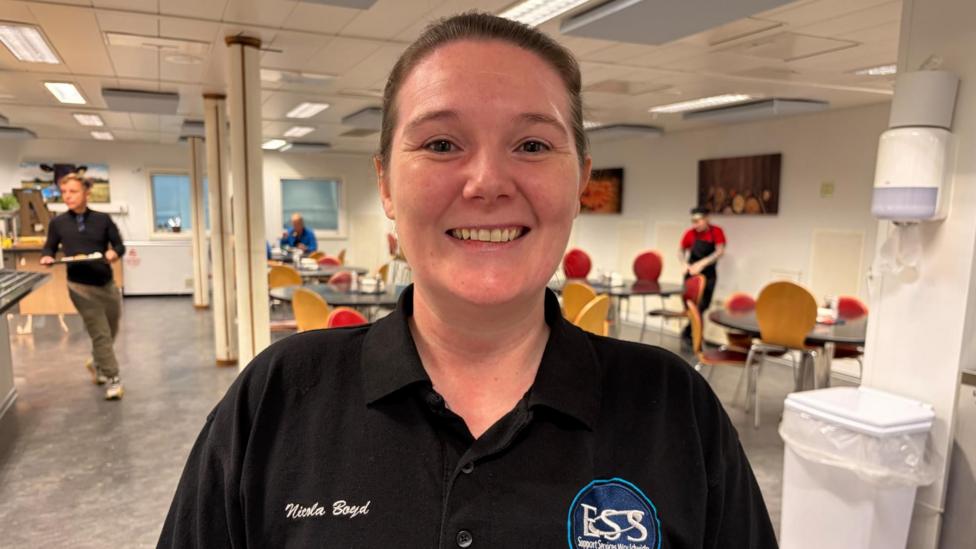
Nicola Boyd loves her job on the Petrojarl Rosebank vessel
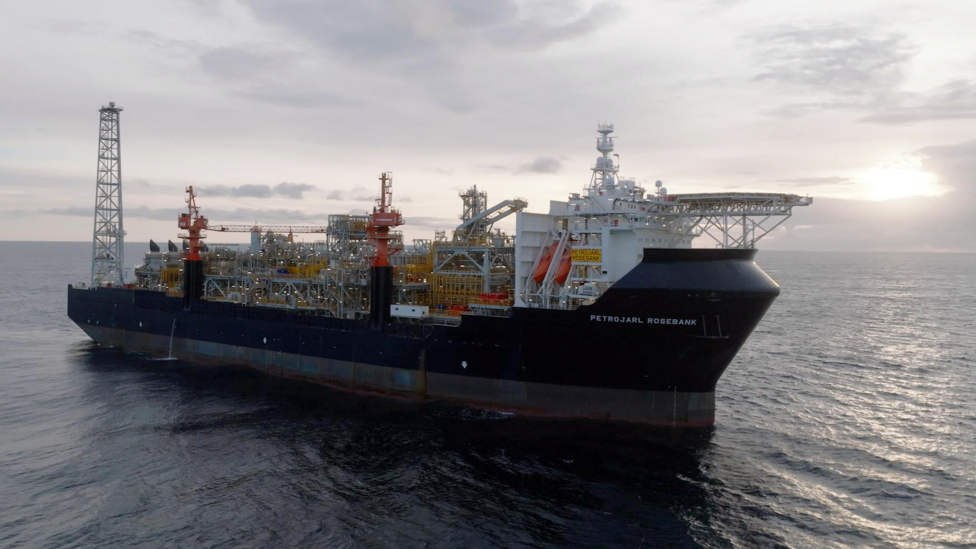
The Petrojarl Rosebank is moored in the North Atlantic waiting to see if production gets the go-ahead from the UK government
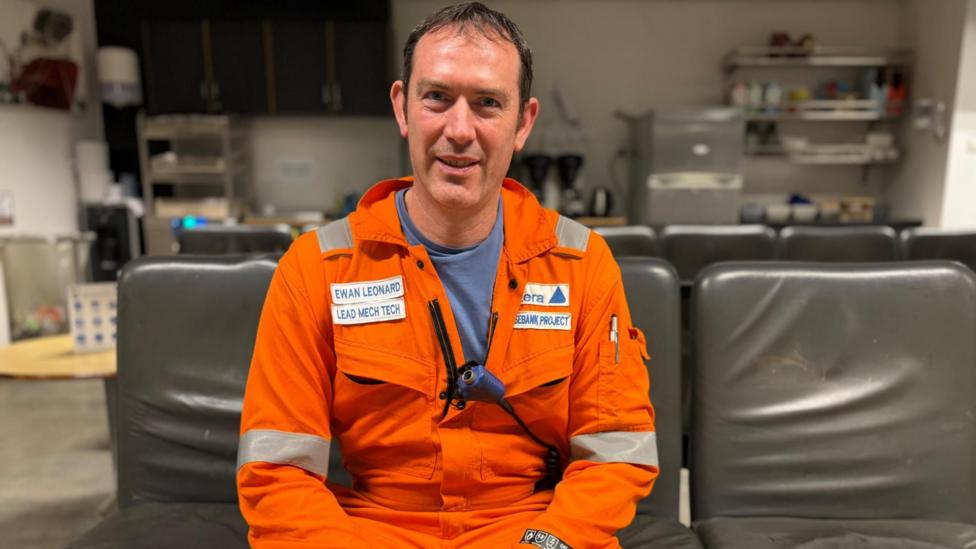
Ewan Leonard says the winter weather can be
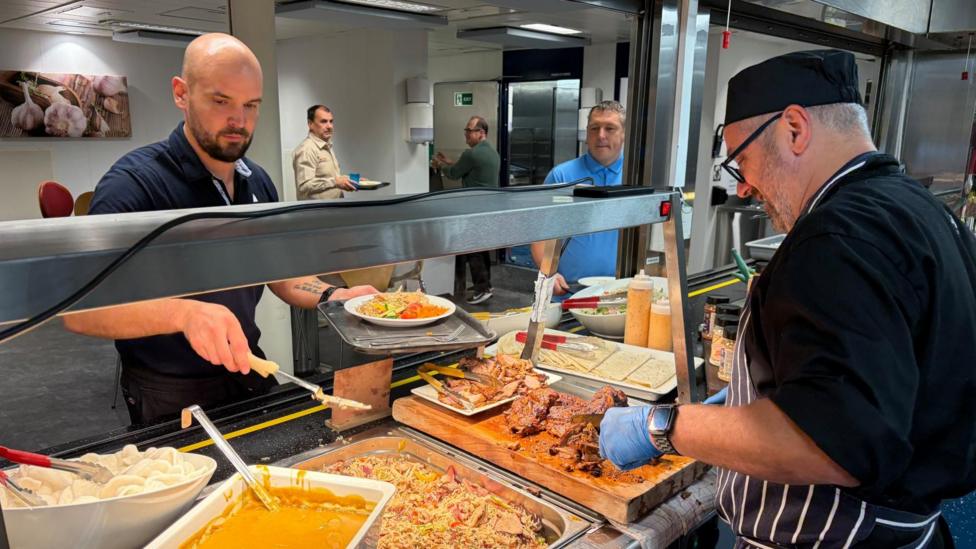
Food on board the ship was described as
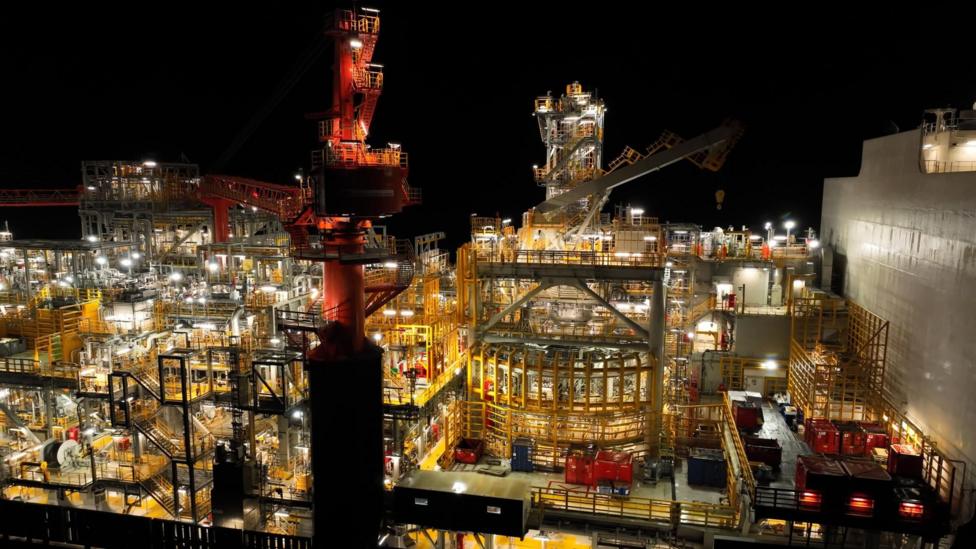
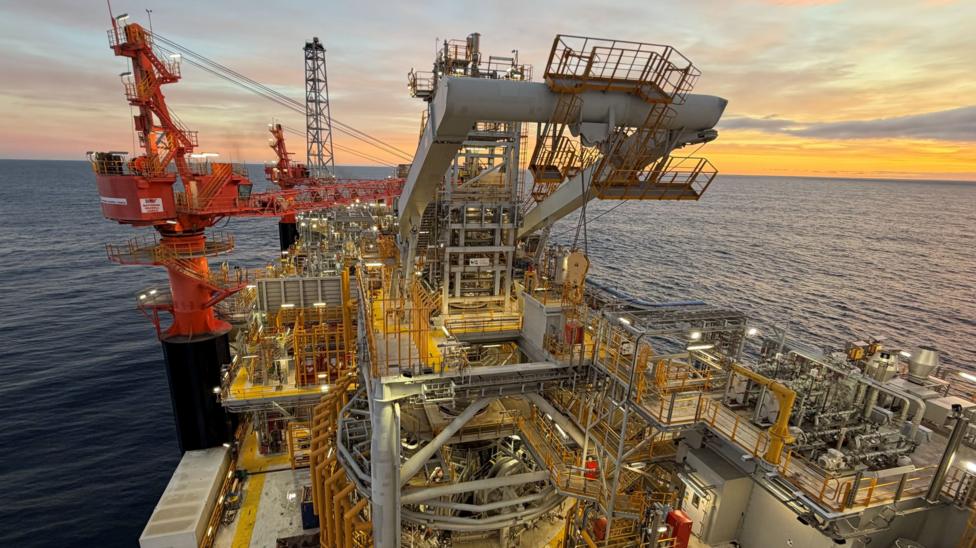
The ship is an array of pipes, valves and bright yellow steelwork

The oil from Rosebank would be loaded onto tankers via a gigantic hose and nozzle
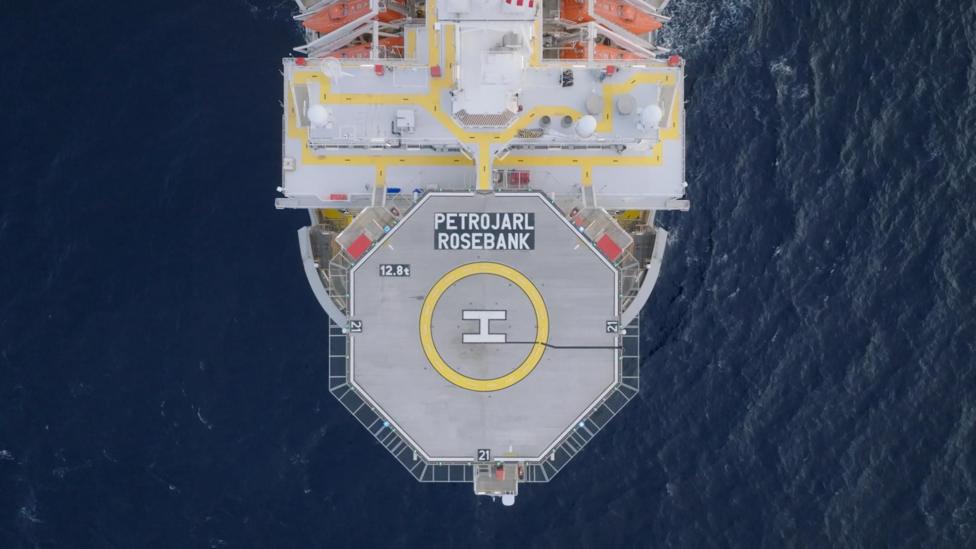
It is hoped the decision on Rosebank will be made in the next few weeks