The key facts
- On 25 October 2026, Serbia holds snap parliamentary elections: 250 seats in the National Assembly, more than 6.45 million voters, 18 lists and 2,418 candidates.
- On October 25, 2026, Serbia holds snap parliamentary elections: 250 seats in the National Assembly, more than 6.45 million voters, 18 lists and 2,418 candidates.
- Vucic stepped down as president at the end of September in order to lead the SNS campaign and run for prime minister.
- Vucic stepped down as president at the end of September to lead the SNS campaign and run for prime minister.
- The student list 'Students Win' — a non-partisan movement with 250 candidates selected through student plenums — has become the main challenge to the authorities.
Snap elections after the dissolution of parliament
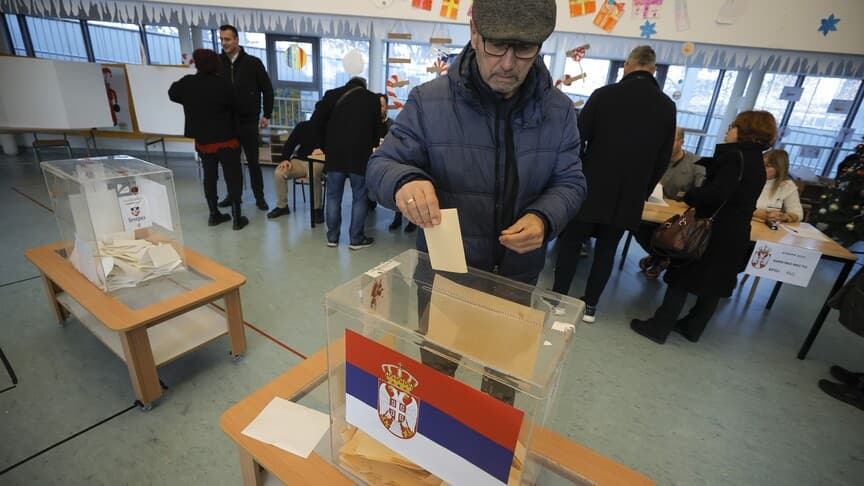
Serbia votes on Sunday, 25 October 2026, in snap parliamentary elections, which Euronews calls one of the country's most significant political turning points in more than a decade. 250 deputies of the National Assembly are being elected; more than 6.45 million people have the right to vote, with 18 electoral lists and 2,418 candidates taking part. The elections were called after President Aleksandar Vucic on 9 September dissolved parliament at the government's proposal.
From the Novi Sad tragedy to a mass movement
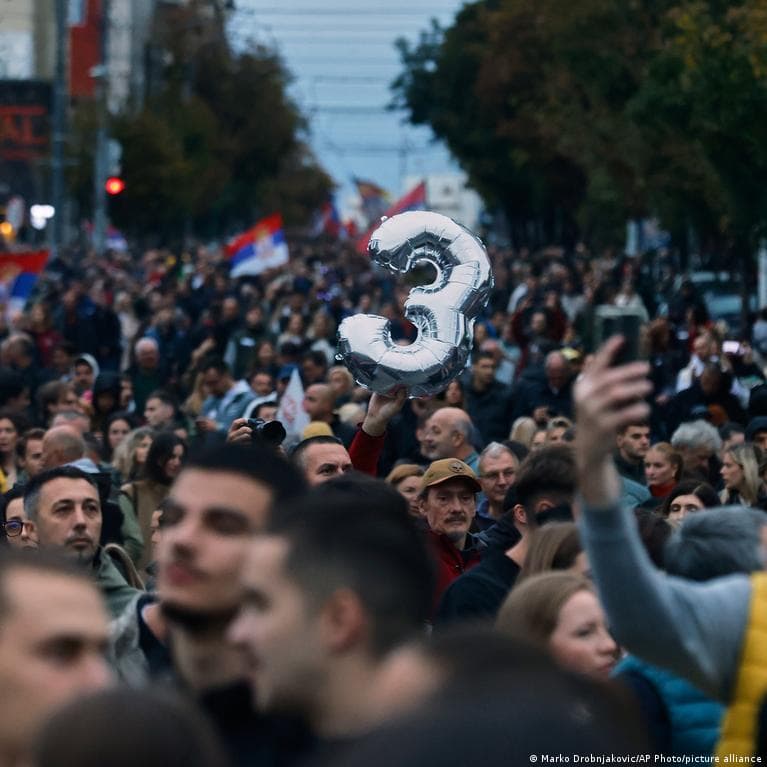
The political causes of the snap elections run deeper than the formal procedure. For almost two years Serbia has been experiencing acute polarization, which began after the tragedy at the Novi Sad railway station on 1 November 2024, when the collapse of a concrete canopy killed 16 people. Student protests, initially demanding accountability and the publication of documents on the station's renovation, grew into a broad movement against what its participants describe as corruption and political irresponsibility. In 2025 students held mass protests, blockades of universities, institutions and roads; in May 2025 they demanded early elections, and in 2026 they decided to take part in them with their own list. According to Euronews, the elections have largely turned into a referendum on Vucic's political dominance and on a system that has existed for more than ten years.
Who is taking part in the elections
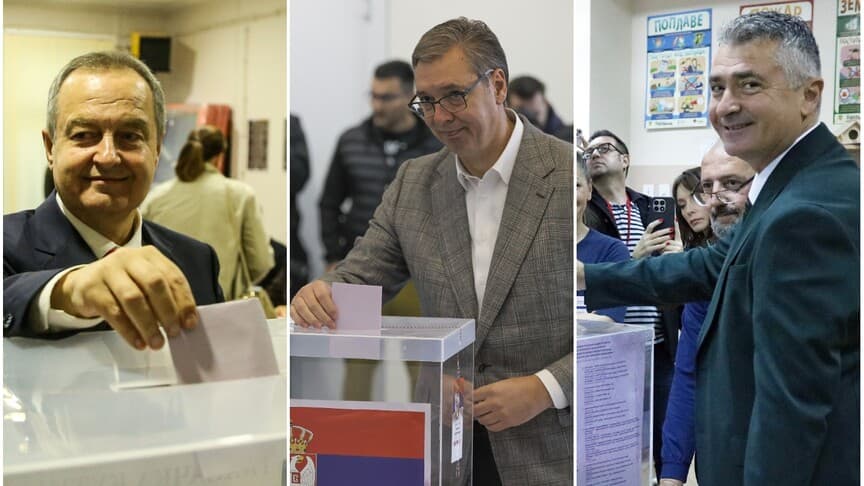
The largest bloc is the list 'Aleksandar Vucic — United Serbia' around the Serbian Progressive Party (SNS). Although Vucic is no longer president, he remains the central figure of the campaign: at the end of September he stepped down as president in order to lead the SNS campaign and run for prime minister, a post he held before being elected president. Also taking part are the list 'Ivica Dacic — the stability factor' (socialists and smaller parties), right-wing and nationalist lists, including 'Authentic Right — Milos Jovanovic', a pro-European centre called 'European Serbia', as well as minority lists — the Alliance of Vojvodina Hungarians, the SDA of Sandzak, Usama Zukorlic's list, the Albanian Coalition and others, which could play a role in coalition formation. The most unusual participant is the Student List 'Students Win': it is not a traditional party and has no single leader; candidates were selected through student plenums, and the list includes 250 people — professors, doctors, artists and activists, who as a rule have never held high political office.
Two narratives and a changed balance of power
At the centre of the conflict is trust in institutions. For the protesters, the Novi Sad tragedy became a symbol of broader problems: corruption, public procurement and control over institutions. The authorities, for their part, describe the protests as an attempt at destabilization, and Vucic has repeatedly claimed that foreign intelligence services are financing a 'colour revolution' in Serbia. The key change compared with previous elections is the disappearance of the traditional opposition as the main challenger: the 'Serbia Against Violence' coalition won about 24% of the vote and 65 seats in the 2023 elections, but then fragmented, and the student movement absorbed a significant part of its electoral energy. The main line of confrontation is now the SNS and Vucic versus the Student List, and the outcome may be determined by turnout and which parties clear the 3% threshold. Polls, according to Euronews, give differing forecasts because of the shifting landscape and the large number of undecided voters.
What is at stake
Beyond the struggle for power, the elections are taking place against the backdrop of continuing polarization over identity issues, relations with the EU, Russia and the West. Serbia remains a candidate for EU membership, but its path has been slowed by rule-of-law problems, relations with Russia, limited alignment with the EU's common foreign policy and the frozen normalization process with Kosovo; at the same time, Belgrade maintains close ties with Russia and China. If the SNS wins, Vucic will shape the new government and stabilize the system after almost two years of protests; if the Student List wins enough seats, the country may enter a new political era; with an inconclusive result, Euronews notes, the political crisis could continue even after the polls close.
Why it matters
These elections are a stress test for the political model that has dominated Serbia for more than a decade, and for the first time the main challenge to it comes not from the party opposition but from a non-partisan movement that grew out of the protests. The result will directly determine the composition of the government and the fate of the post of prime minister, for which Vucic is running — and, in the event of a close or contested outcome, whether the crisis continues. For voters, the 3 percent threshold also has practical significance: which parties clear it will determine how coalitions are formed.