The key facts
- The 2026 elections are the first competitive ones since Vucic came to power in 2012
- CRTA recorded 116 incidents of violence and threats during the campaign
- According to DW, voters were offered between €30 and €150 to vote for SNS
Campaign finale: two rallies in Belgrade
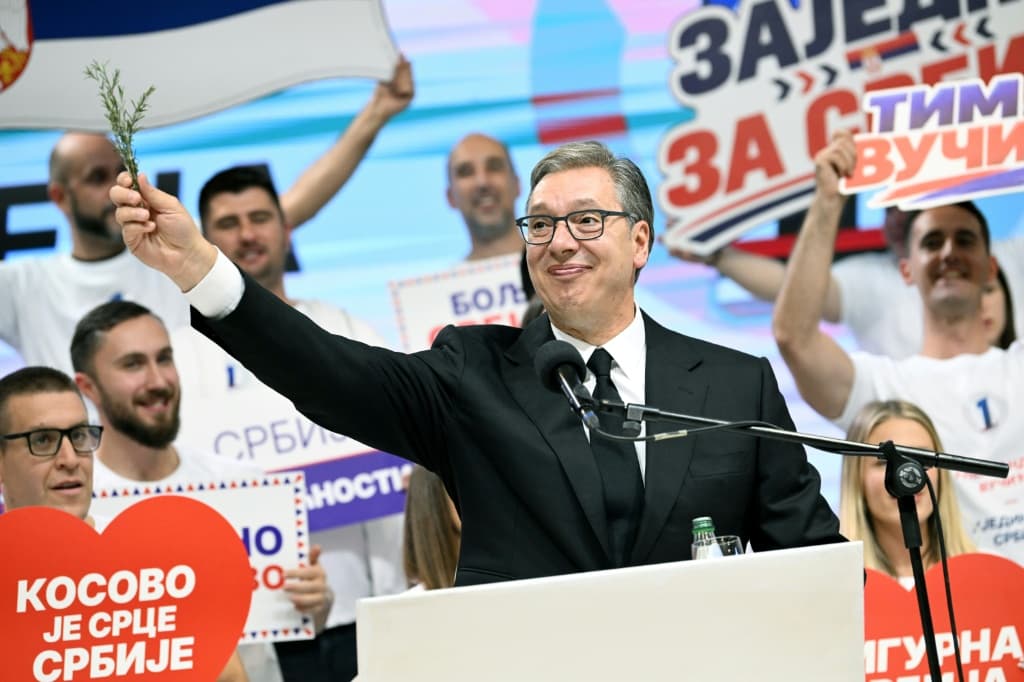
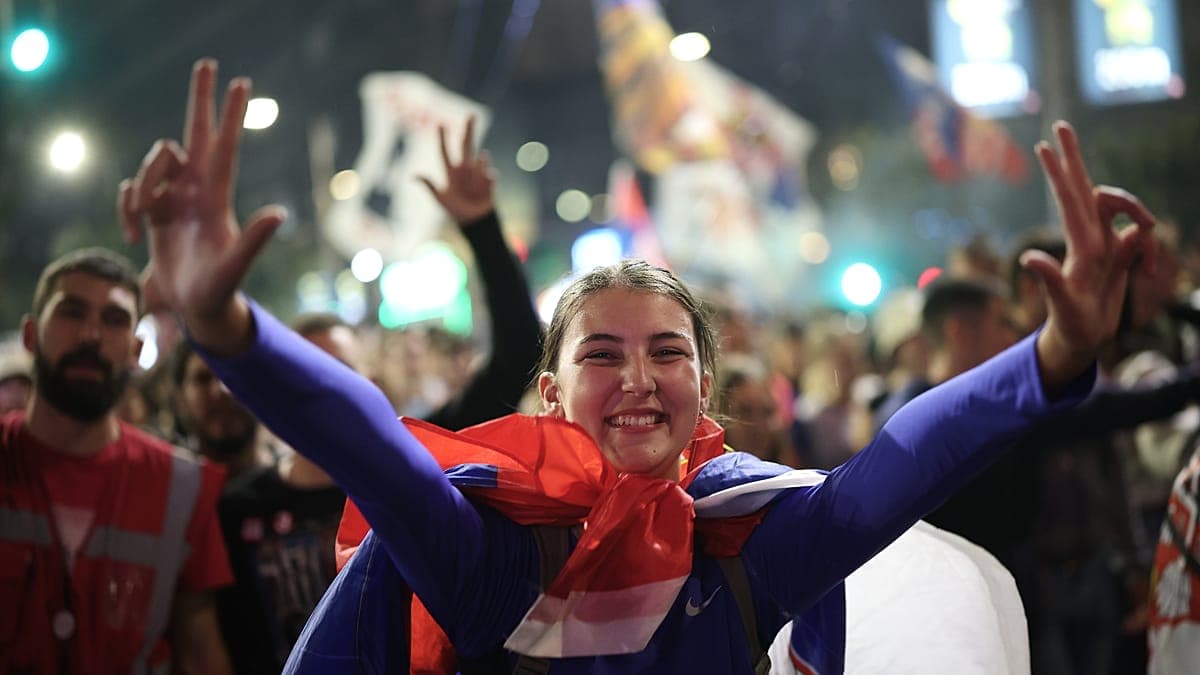
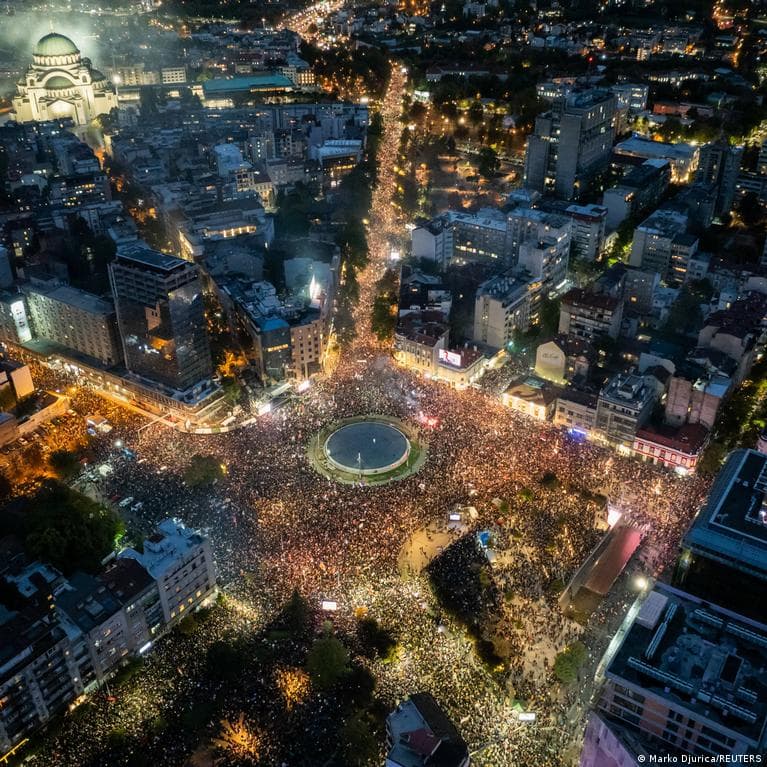
On Thursday evening, Belgrade hosted the final rallies of the two main political forces. Thousands of people gathered at the closing event of the Student List — a slate of candidates put forward by the student movement that has been protesting against the government for almost two years. Many participants walked across the entire country on foot. 'We walked across Serbia from end to end, visited villages and neighbourhoods, looked you in the eyes and understood that we can count on you,' said biology student Arsa Stojanovic. 'People, you can smell freedom,' added the list's candidate, professor of transport engineering Aleksandar Cupic. A few kilometres away, the ruling Serbian Progressive Party (SNS) held its own rally, where former president Aleksandar Vucic declared: 'They tried to destroy our country on foreign orders, and that is why this is the hardest battle. They attacked us with billions of euros, and we defended ourselves with decency, our programme, love for the homeland and Serbia's achievements.'
Origins of the student movement
The protests began after the collapse of a concrete canopy at the Novi Sad railway station in November 2024, which killed 16 people. The disaster became a symbol of institutional failure, and the red palm a symbol of the movement. The Student List calls for regime change through the ballot box, demands the fight against corruption and accountability for the tragedy, and seeks to push aside the ideological and foreign-policy divides that have long defined Serbian politics. Political scientist Dusan Spasojevic told DW that these are the first competitive elections with an uncertain outcome since Vucic came to power in 2012, and according to polls the students could receive more than 40% of the vote.
Violence and accusations of an unfair campaign
The campaign was accompanied by rising tension. According to the independent monitoring organisation CRTA, by the final week 116 incidents of physical violence or verbal threats had been recorded, including attacks on campaigners and attempts to tear down banners. CRTA also reported surveillance of opposition activists and a slow police response. The organisation told DW that the campaign 'was neither free nor fair from day one', noting a skew in coverage: almost three-quarters of airtime on national television went to government representatives, while more than 80% of coverage of the Student List was negative. BIRN published testimony from a former SNS member about pressure on civil servants to secure votes for the party. DW sources reported that voters were offered between €30 and €150 to vote for SNS, and entire families were offered tourist trips in exchange for a promise to vote for the ruling party. Independent media also published investigations into alleged links between people connected to SNS and criminal networks. Spasojevic is sceptical that these publications will affect the result: audiences of pro-government media may not see them at all.
Post-election fears and the role of the EU
The authorities have warned for weeks that students were allegedly preparing street violence with the help of foreign intelligence services; in the final days of the campaign several people were arrested on suspicion, according to the prosecutor's office, of conspiring to incite riots on election night. Spasojevic considers a convincing victory for one of the camps the best scenario, but according to polls the gap will be narrow, which will almost certainly lead to a post-electoral crisis: a narrow victory by the ruling party will be contested. He assigns a key role to the EU's reaction, which could persuade the authorities to accept defeat and not respond harshly to protests. A European Commission representative confirmed to DW that key recommendations for improving Serbia's electoral system remain unimplemented, stressing that democracy and the rule of law matter for the accession process — Serbia has been an EU candidate since 2012. The students ended their rally with the traditional circle dance kolo, promising to defend every vote, setting the tone for a potentially tense election night.