The key facts
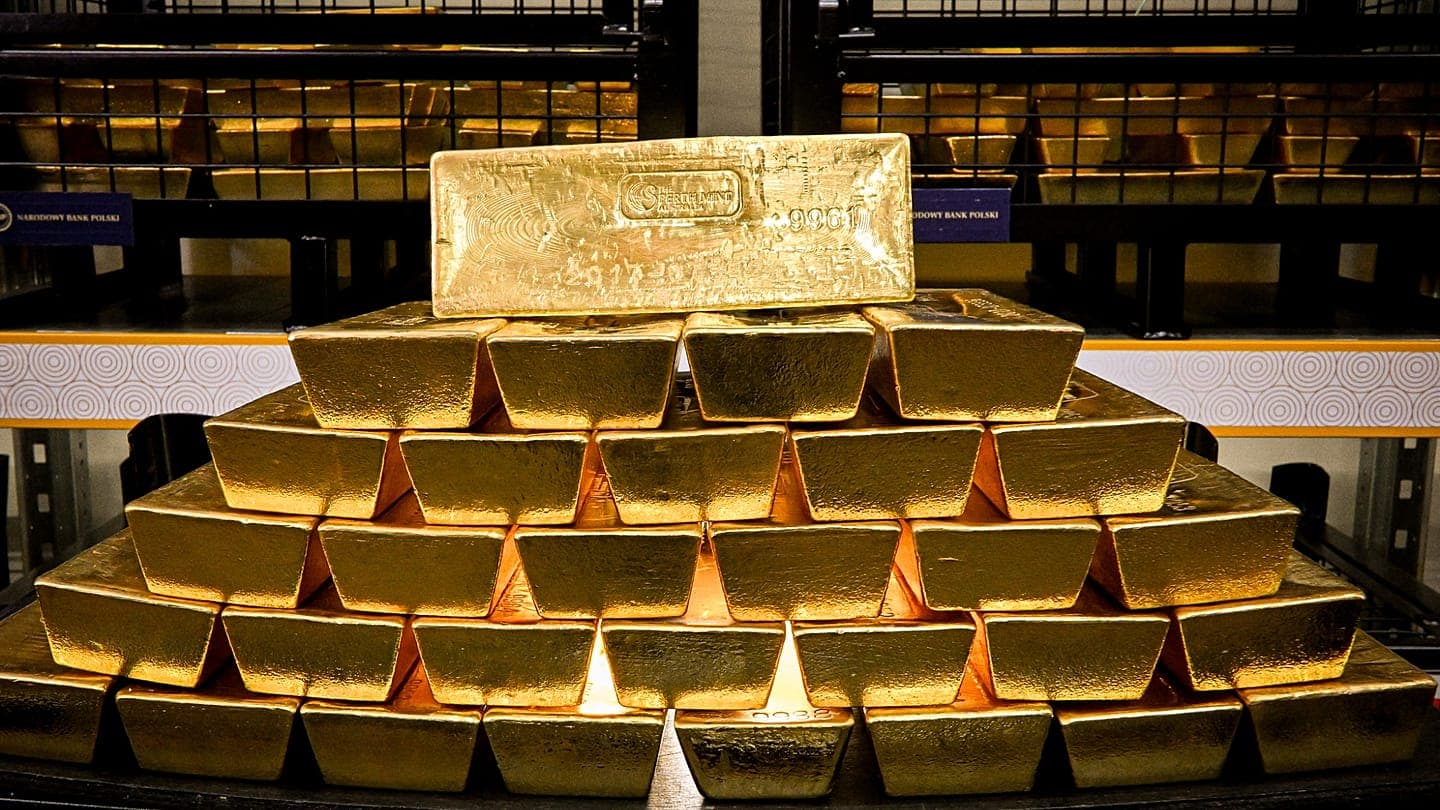
- Russia reduced its gold reserves by roughly 62 tonnes since January 2026, including 6.2 tonnes in September (euronews).
- Kazakhstan, previously one of the largest gold buyers, plans to lower the share of gold in its reserves to 75% by the end of the year.
- According to customs data, about 100 tonnes of Russian gold arrived in Hong Kong between January and July; in the expert's view, the main buyer is the Central Bank of China.
Russia is accelerating its gold sell-off
Russia has continued to reduce its gold reserves throughout 2026. In September, reserves fell by roughly 6.2 tonnes, and since January the total reduction has reached about 62 tonnes — sales have grown tenfold. Only once in modern history has the country shed gold at a comparable pace, in 1998, when 118 tonnes were sold in three months. This is reported by euronews, citing data from the Central Bank of Russia.
Where Russian gold is going
Adam Stroniawski, managing director of the Polish precious metals dealer Mennica Skarbowa, told euronews that the sell-off is linked to a 'serious hole in the budget caused by the war' that Russia is waging in Ukraine, and to the desire to further fund the defense sector. According to him, the sales take place outside the official London market turnover: transactions are conducted in Hong Kong, and the main buyer is the Central Bank of China, so the impact on the global gold price will be minimal. According to Chinese customs data, about 100 tonnes of Russian gold arrived in Hong Kong between January and July — almost three times more than in the same period last year. The expert does not rule out that, as after the 1998 sell-off, Russia may eventually return to the ranks of buyers and rebuild its stockpile.
Kazakhstan is taking profits
A few days before the Russian data was published, it became known that Kazakhstan also plans to reduce its gold reserves. The country, which was among the world's largest gold buyers during the first eight months of 2026, announced its intention to lower the share of gold in its reserves to 75% (from roughly 78%) by the end of the year. Stroniawski believes the shift in trend is likely temporary and is connected to the need to close a budget deficit or lock in profits: Kazakhstan bought gold for a long time and is now selling it at a substantial return. In the expert's assessment, the scale of the reduction — about 3% of reserves — and the fact that sales are spread over time will not have a serious impact on global markets.
Is this the start of a mass sell-off
The change in approach by Russia and Kazakhstan has raised the question of whether a new trend has begun among central banks, and whether Poland — which has significantly built up its reserves in recent years and could lock in profits at high prices — will follow suit. In Stroniawski's view, such a scenario is highly unlikely due to internal circumstances: the policies of the government and the central bank diverge. The National Bank of Poland continues its purchases, reserves are approaching the target of 700 tonnes, and the country ranks 10th in the world in gold holdings. The expert believes that reaching 700 tonnes will be merely a milestone and signals neither the end of purchases nor the start of a sell-off.
Gold prices
According to World Gold Council data cited by euronews, the dollar price of gold rose 25.5% in 2024 and 67.4% in 2025, but in the first nine months of 2026 it fell by 4.4%. Stroniawski notes that many investors who bought the metal a few years ago may be thinking about locking in profits, but short-term corrections, in his view, do not change the long-term upward trend: purchases by central banks and investors who see gold as a safe haven make further growth almost inevitable. 'I would not assume it will ever be worth less,' the expert emphasized, adding that buying brings reliable returns only in the long term.
Why it matters
The simultaneous reduction of reserves by two major Eurasian gold holders affects all market participants: investors tracking the metal's price and central banks, for which gold is a reserve asset. The facts presented suggest that, for now, we are talking about targeted transactions outside the London market and about Kazakhstan lowering its share from 78% to 75%, so, in the expert's assessment, the impact on global prices is minimal. The key uncertainty is that there is no official confirmation of the buyer of Russian gold: the conclusion about the role of the Central Bank of China belongs to the expert and is based on Hong Kong customs statistics, not on statements from the parties involved.