The key facts
- Brown bears Bu and Tyapa were rescued from Dagestan and delivered to the Wild Ireland sanctuary in County Donegal in August 2026.
- The five-year rescue operation, involving more than 100 people, was derailed twice by the war in Ukraine and a conflict involving Iran.
- The five-year rescue operation, involving more than 100 people, was twice derailed by the war in Ukraine and a conflict involving Iran.
- According to the sanctuary's founder, the bears have gained weight, their coats have improved, and their kidney function has returned to normal.
From cages in Dagestan to an Irish forest
Two brown bears, Bu and Tyapa, are settling into the Wild Ireland sanctuary in Burnfoot, County Donegal, after a five-year rescue operation spanning several countries and interrupted by two major conflicts. BBC News reports. One of the bears had performed in a circus all his life, while the other was kept in a cage in which he could not stand up to full height.
The conditions the bears were kept in
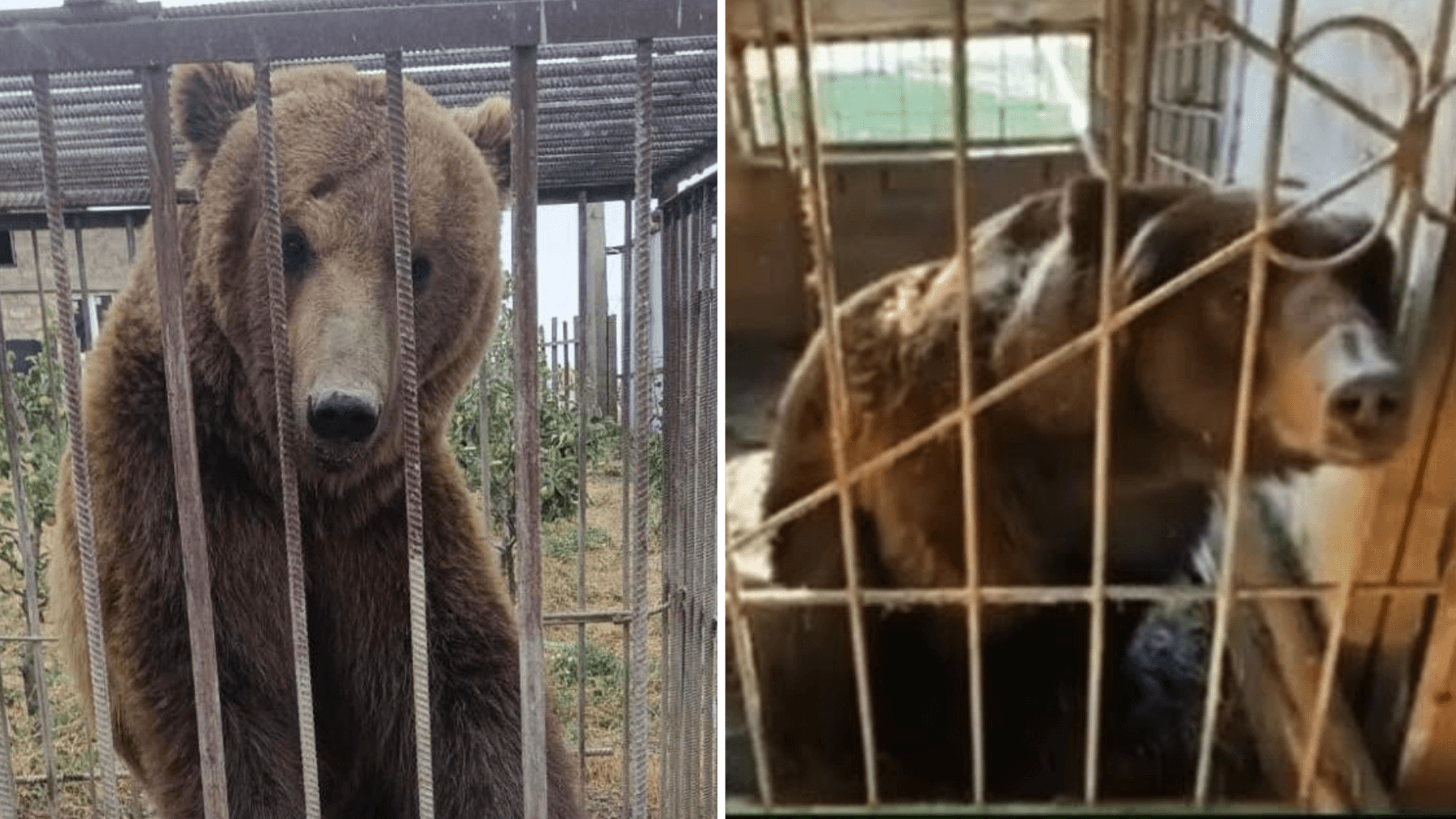
Wild Ireland founder Killian McLaughlin learned about the bears in 2021 and committed to bringing them to Donegal. According to him, at the time of the rescue both animals were in extremely poor condition: severely emaciated, showing signs of psychological trauma, and blood tests revealed serious kidney problems linked to prolonged dehydration. Bu, a former circus bear, had lived for years in a small enclosed cage. Tyapa was kept in a cage measuring 2.5 by 2.5 by 2 metres — too low to stand up in, and without a roof, which left the animal suffering from winter cold and summer heat. He had no water bowl and received water from a hose; McLaughlin said the bear had been raised to be later killed and taxidermied.
A route twice derailed by wars
Russia's invasion of Ukraine in February 2022 made the original transport route through Ukraine impossible, McLaughlin said. An alternative route through the Middle East was derailed again in February 2026, when an escalation of the conflict involving Iran led to airspace closures and flight disruptions across the region. More than 100 people took part in the operation: volunteers, lawyers, veterinarians, animal transport specialists, cargo crews and officials in Russia, the UAE and Ireland. In late October 2025, Dima and Yana Kim, who work at the Tiger House sanctuary near Saint Petersburg for former circus tigers, made a 36-hour trip to Dagestan. The bears had to be cut out of rusting steel cages; they were sedated and placed in transport crates, and underwent treatment and quarantine at Tiger House. After months of preparation and repeated delays, the animals travelled from Moscow via Abu Dhabi to Dublin, arriving in Ireland on 3 August 2026.
Recovery and life at the sanctuary
According to McLaughlin, since arriving at Wild Ireland both bears have gained weight, their coats have improved, and repeat blood tests showed that kidney function has returned to normal. Their enclosure includes woodland, water and space to explore, as well as shelters where the animals can hide from visitors. Sanctuary staff member Chloe McElhatton, a zoologist by training (Queen's University Belfast), said the team hides food around the enclosure to encourage natural behaviour and foraging: over time the animals' confidence is growing, and the changes are visible both physically and psychologically. Visitors also note the transformation: a guest from France, Liam, described the bears as 'very big and very impressive', while regular visitor Chris Roberts from Manorhamilton, who has been coming to the park since it opened in 2019, said he was glad to see Bu and Tyapa in person and was 'amazed at how well they look, given their past and the terrible conditions they were once kept in'.
Why it matters
This story shows how geopolitical conflicts — the invasion of Ukraine and the escalation in the Middle East — directly affect even animal rescue operations, forcing routes to be reworked and stretching the process over years. For the bears themselves, the practical outcome is documented: restored kidney function and weight gain indicate that life at the sanctuary is compensating for the effects of years of dehydration and emaciation. For Wild Ireland, it is also a demonstration of a rehabilitation model based on encouraging natural behaviour, which the team describes as successful for traumatised animals.
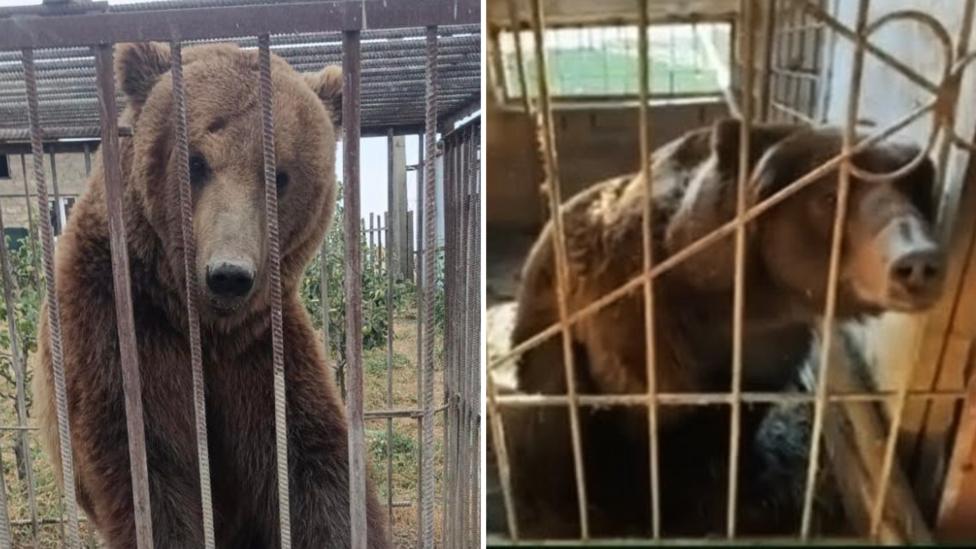 Image source, Wild Ireland press handout
Tyapa (left) and Bu (right) were previously kept in small cages in the Republic of Dagestan in Russia
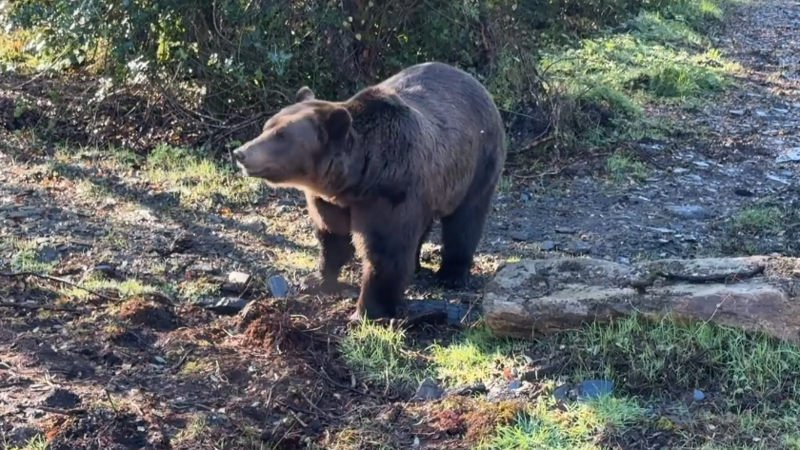
Tyapa is slowly settling into her new surroundings in Burnfoot, County Donegal
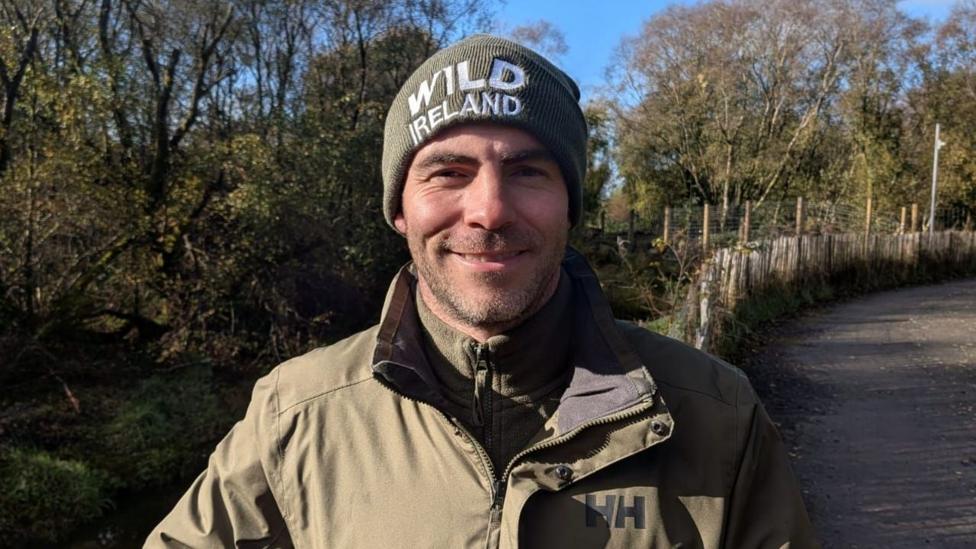
Wild Ireland founder Killian McLaughlin says the bears' health improvements since their arrival have been remarkable
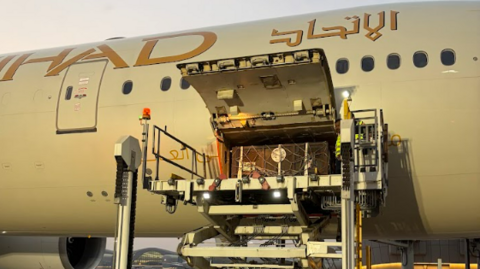 Image source, Wild Ireland press handout
The bears travelled from Moscow via Abu Dhabi to Dublin, arriving in the Republic of Ireland on 3 August 2026
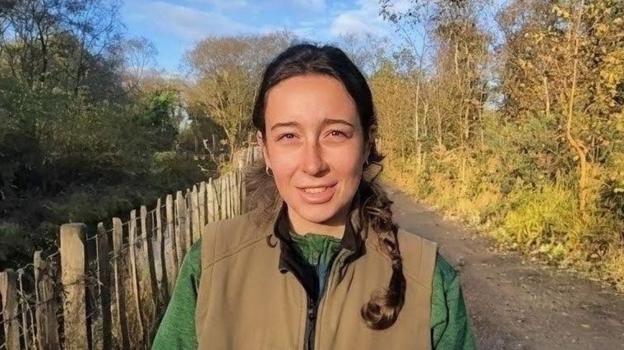
Chloe McElhatton is part of the bear team at Wild Ireland and says looking after bears is not your average 9-5 job
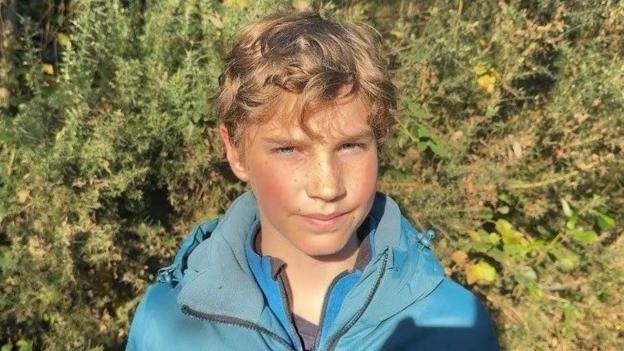
Liam, who is from France, says the two bears are big and impressive
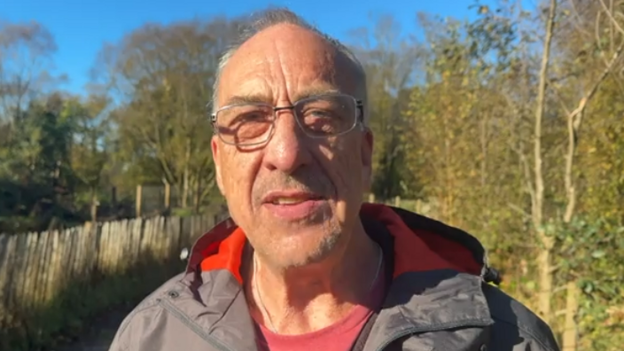
Chris Roberts is a regular visitor to Wild Ireland and came to visit hoping to see a glimpse of the two new bears