The key facts
- 72.9% of respondents aged 10–24 named YouTube their favorite storytelling format; TikTok — 64.2%, cinema — 70.2%
- 55% want more neurodivergent heroes, but only 22.7% consider current portrayals believable
- Young people are more curious about AI: 28.2% are 'fascinated,' 22% feel 'doomed'
YouTube and short videos on par with cinema
Younger generations are rethinking storytelling through YouTube, TikTok and artificial intelligence — that is the conclusion of the annual 'Teens and Screens' 2026 report, as covered by Euronews. The study is conducted by the Center for Scholars & Storytellers (CSS) at the University of California, Los Angeles; it covers more than 1,500 Americans aged 10 to 24 and was launched five years ago.
The survey figures
A majority of participants (72.9%) named YouTube their favorite format for stories, and nearly four in five believe a story can be told in a short video; among social networks, TikTok leads (64.2%). TV series (70.3%), films (70.2%) and video games (68.5%) trail only slightly, and going to the movies has been respondents' favorite weekend activity for the third year in a row. The trend is visible in Europe as well: according to the Cinema Advertising Association, 50% of UK moviegoers are younger than 35, while CineEurope reports that 47% of young people learn about films through TikTok.
A demand for 'relatable' characters
One recurring theme of the survey is the desire to see more stories people can relate to: 55% of respondents want to see neurodivergent characters on screen more often, and the share is even higher among LGBTQIA+ youth. At the same time, only 22.7% believe current media portrayals of neurodivergence are 'mostly like real life'; among the criticized examples, Euronews cites Sia's film 'Music' (2021), in which the nonverbal autistic heroine was played by the neurotypical actress Maddie Ziegler. Young people also ask for 'uplifting stories about people who challenge their circumstances,' friendship, and 'people with lives like mine.' This continues the findings of previous years: 52% believe romance in media plays a bigger role in characters' lives than in real life — young viewers want less sex on screen and more platonic relationships. 'The call for greater representation of neurodivergent people and friendship is just one example of a broader need for diverse and authentic portrayals,' says the study's co-author Stephanie Rivas-Lara.
Attitudes toward AI and the industry's future
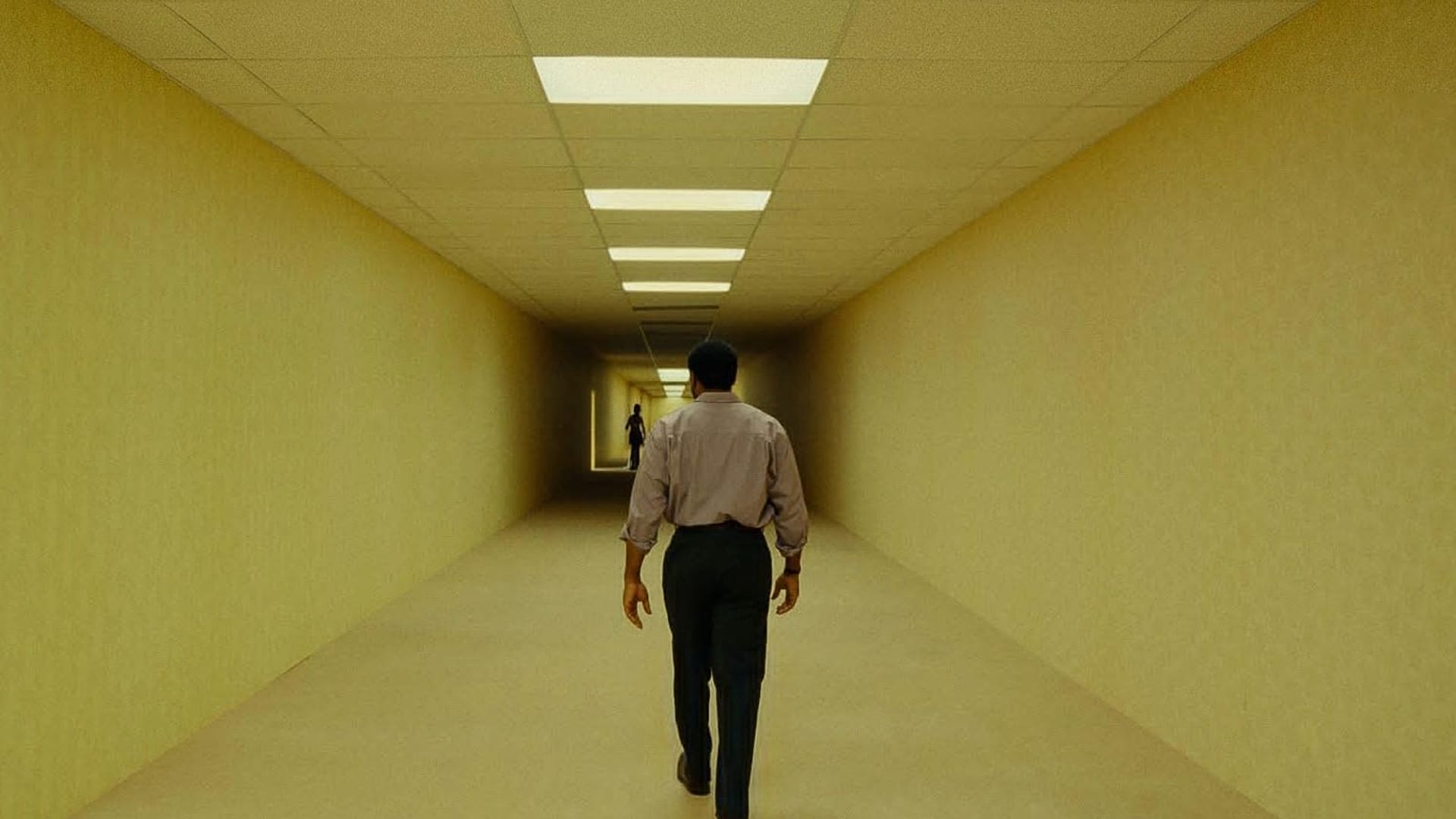
Despite the debates around AI — from virtual 'actors' to slop content on social media — respondents are more curious than anxious: 28.2% are 'fascinated' by the technology, 25.6% are 'excited,' while 22% feel 'doomed' and 10.1% feel 'scared.' The most positive attitudes are among the youngest, ages 10–13: 44.2% called AI programs 'exciting.' Movie theater attendance has been steadily growing since the pandemic-era drop, and the blockbusters Backrooms and Obsession, made by creators from YouTube (Backrooms — by Kane Parsons), show, in Euronews' view, that young audiences are waiting for original stories based on internet formats and online mythologies. 'The rules of the game have changed, and now young people themselves decide what they want to watch,' notes CSS founder and CEO Yalda T. Uhls, adding that industry leaders should listen to young people and experts on youth well-being.
Why it matters
The report is one of the few regular snapshots of the media preferences of the 10–24 audience that the entertainment industry targets, and it records a practical shift: short-form platforms already compete with film and TV on equal footing, while the demand for neurodivergent characters and platonic plots gives screenwriters and producers concrete guidance. For viewers, this means the content made for them is likely to change; for platforms, it confirms that TikTok and YouTube have become the main channels for discovering films.