The key facts
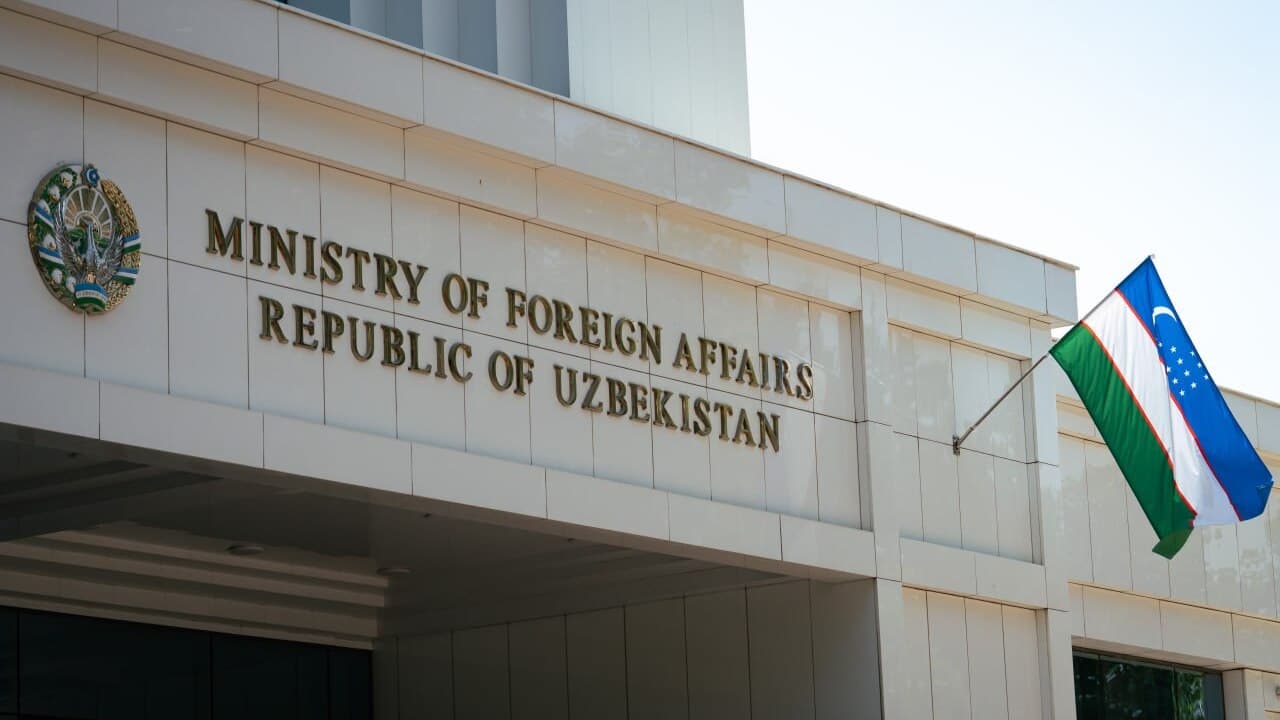
- On October 24, the Foreign Ministry of Uzbekistan summoned Iran's ambassador and demanded the removal of embassy posts describing Registan as “Persian heritage”
- Experts differ in assessing Tehran's motives, but agree: such an interpretation bypasses the role of the Timurids
- Turkic participation in power in Iran has been noted since before the era of Amir Timur and continues to this day
A diplomatic démarche over Registan
On October 24, the Ministry of Foreign Affairs of Uzbekistan summoned Iran's ambassador in Tashkent and demanded the removal of publications by several embassies in which Registan was described as “Persian heritage”, Kun.uz reports. The incident arose after posts by foreign diplomatic missions appeared on social media describing the Samarkand architectural ensemble in those terms.
Expert assessments differ
Commenting on the situation, analysts took different positions: some saw Tehran's approach as a display of caution, while others saw in it a signal of Iran's hidden imperialist ambitions, Kun.uz notes. At the same time, experts are unanimous on one point: attributing the architecture of Samarkand exclusively to Persian civilization leaves aside the historical role of the Timurids. As noted in a discussion involving analysts, Turkic participation in power in Iran began even before the era of Amir Timur and continues to this day.
Why this matters
The dispute over the cultural affiliation of Registan has escalated from social media into an official diplomatic démarche, which shows how sensitive issues of historical heritage are for Uzbekistan–Iran bilateral relations. The practical consequence was the Foreign Ministry's demand to remove the relevant posts — that is, the matter is being resolved at the level of public diplomacy. It remains unknown whether the Iranian side has responded to the demand and whether further steps will follow.