The key facts
- Lana Nusseibeh entered the race for UN Secretary-General last week, becoming the ninth candidate with no clear frontrunner
- Iranian parliament speaker Ghalibaf questioned her agenda; the UAE responded that his words are 'devoid of objectivity'
- The UN Security Council has not yet reached consensus on Guterres's successor, whose term expires at the end of the year
Nusseibeh's candidacy and the UAE's response
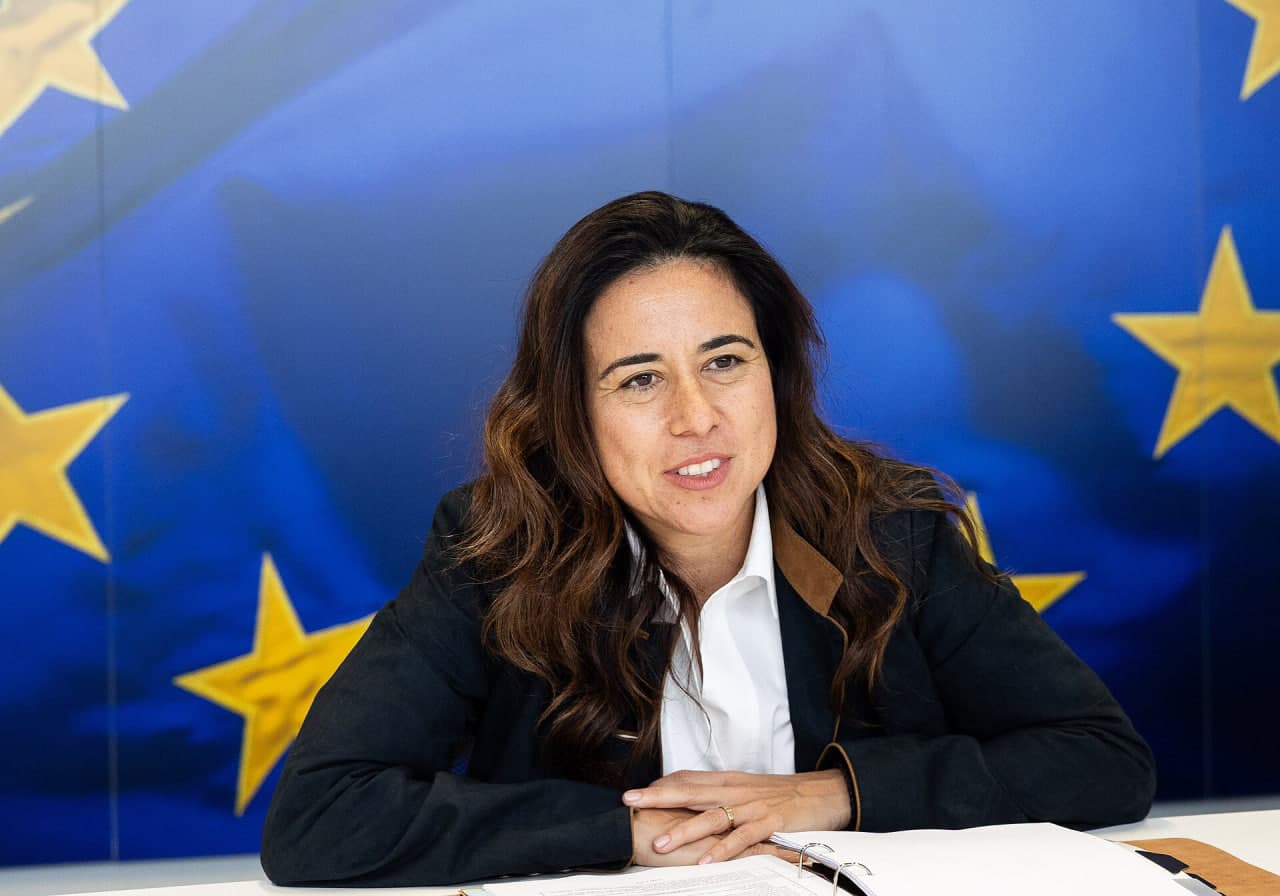
Senior UAE officials have responded to Iran's criticism of the campaign of Emirati diplomat Lana Nusseibeh for the post of UN Secretary-General, The National reports. Nusseibeh entered the race for the UN's top post last Wednesday, when no clear frontrunner had emerged among the eight other candidates; her campaign is backed by the Gulf states and a number of other countries.
Tehran's reaction and the counter-statements
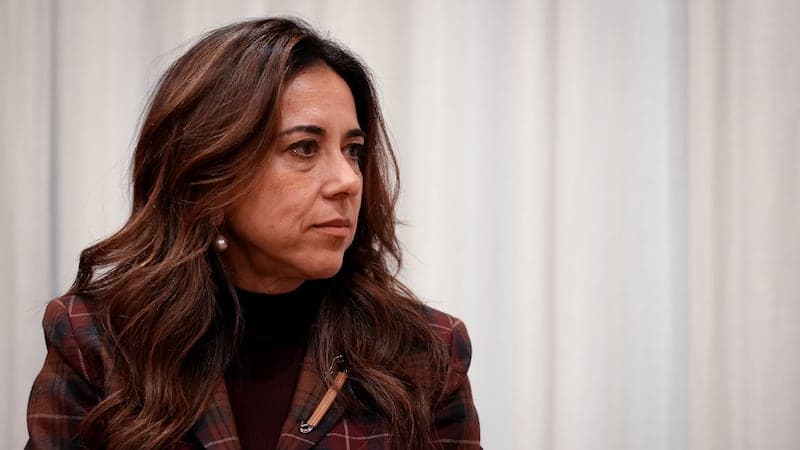
Speaker of the Iranian parliament Mohammad Bagher Ghalibaf, who also serves as the country's chief negotiator in talks with the United States, questioned Nusseibeh's agenda in a post on X on Sunday. Anwar Gargash, diplomatic adviser to UAE President Sheikh Mohamed, said that discussion of her agenda is welcome, but that Ghalibaf's remarks are 'devoid of objectivity' and 'ignore the fact that the United Nations was created to promote dialogue and resolve conflicts, not to entrench hostility and settle scores.' Gargash described Nusseibeh as a professional known for her ability to bridge differences and put diplomacy first, noting that this naturally 'provokes objections from some radical voices.' Ali Al Nuaimi, chairman of the Federal National Council's committee on defence, interior and foreign affairs, accused Ghalibaf of trying to lecture the UAE despite Iran's record of 'exporting instability.' 'Lana Nusseibeh embodies diplomacy, competence and the courage to build bridges. Your rhetoric embodies the very destructive mindset that has brought so much suffering to our region,' The National quotes him as saying.
Context of the Secretary-General election
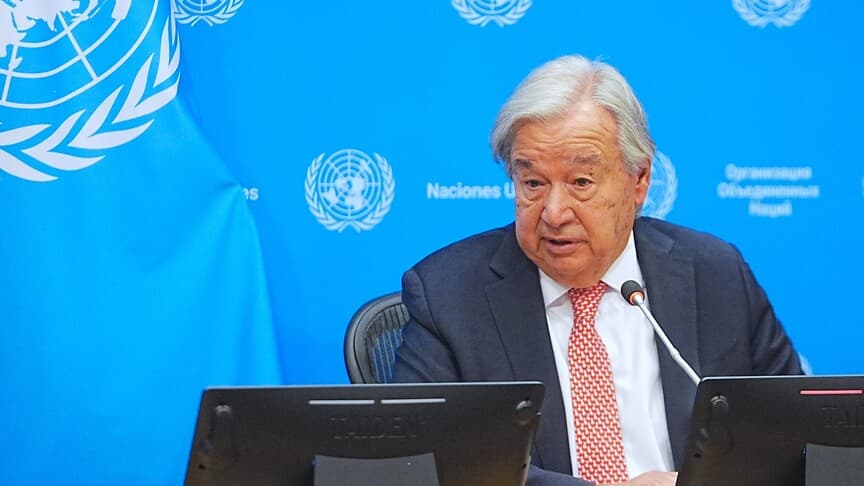
The second and final term of the current UN Secretary-General, António Guterres, ends at the close of this year. Security Council members have held several informal straw polls on a successor, but no consensus has been reached so far. According to The National, Nusseibeh has called for a generational change and pledged to reform the UN with 'clearer priorities' if elected. She would be the first woman to lead the organization and the second Arab after the Egyptian Boutros Boutros-Ghali. Nusseibeh was appointed UAE Ambassador to the UN in 2013 and previously held a number of positions at the foreign ministry.
Significance of the dispute
The public spat shows that the contest for the Secretary-General's post has moved beyond the Security Council's backroom consultations and become the subject of open polemics between regional rivals — even though, according to The National, the Security Council has yet to settle on a successor to Guterres. For the UAE, supporting Nusseibeh is a matter of national prestige: her election would make the country the home of the first female UN Secretary-General. In practical terms, the outcome of the race will determine who leads the organization from 2027, and the current dispute signals that Security Council votes may take place against a backdrop of heated rhetoric.