The key facts
- On October 23, Iranian ambassador Muhammad Ali Iskandari was summoned to the Foreign Ministry of Uzbekistan and handed a note of protest
- The reason was publications by Iranian embassies in Armenia, Zimbabwe and Bulgaria describing Samarkand as part of Persian heritage
- Tashkent demanded the removal of the posts and measures to prevent similar cases from recurring
Note of protest to the Iranian ambassador
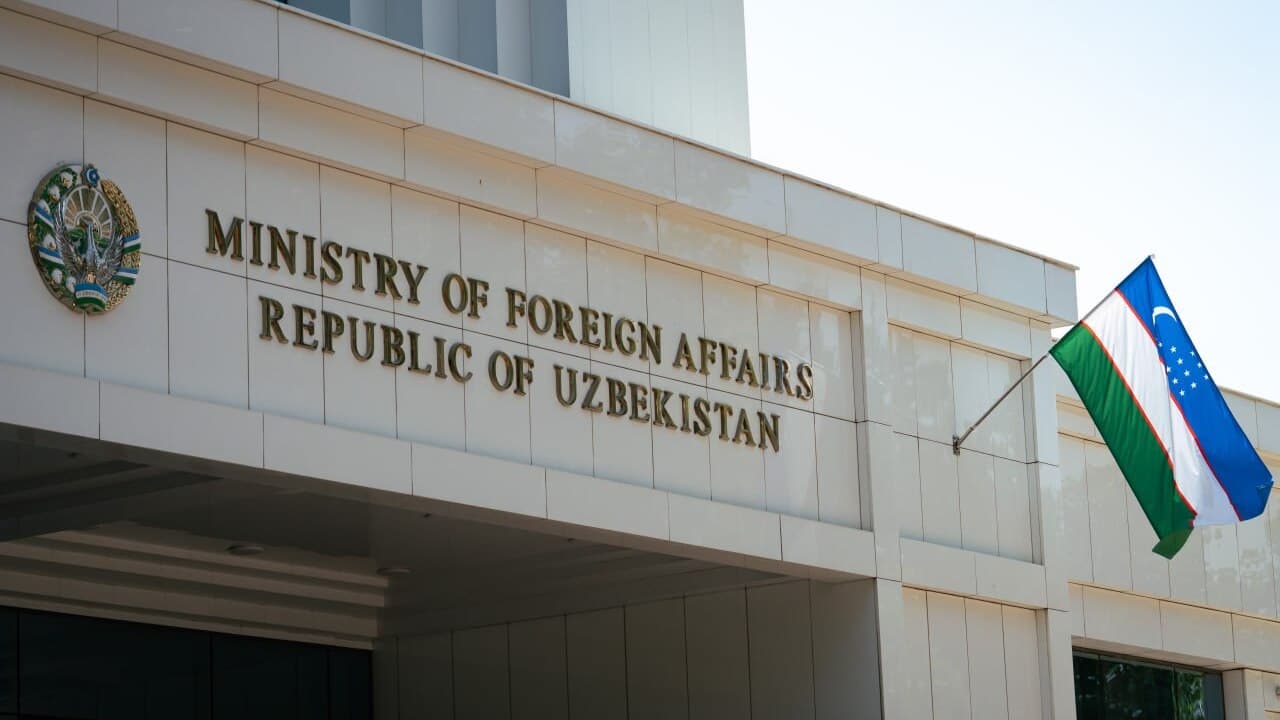
On October 23, the Ambassador Extraordinary and Plenipotentiary of Iran to Uzbekistan, Muhammad Ali Iskandari, was summoned to the Ministry of Foreign Affairs of Uzbekistan, where he was handed a note of protest expressing the Uzbek side's resolute disagreement. This was reported by the press service of the foreign ministry; the ministry's spokesman Omonulla Fayziyev confirmed the information to the Kun.uz outlet. The reason was publications by a number of Iranian diplomatic missions abroad on the social network X, which, according to the Foreign Ministry, contained a one-sided interpretation of Samarkand's historical and cultural heritage and used it for political purposes.
What triggered the diplomatic conflict
The conflict began after US Secretary of State Marco Rubio, during his visit to Samarkand on October 19, recorded a video address on the Registan Square, noting the city's historic role in international trade. After that, the Iranian embassies in Armenia, Zimbabwe and Bulgaria published photos and videos featuring Rubio, presenting Samarkand's architectural monuments as part of the Persian or Iranian-Islamic civilizational heritage. The embassy in Armenia stated that the place where Rubio stood was part of Persian civilization and architecture; the diplomatic mission in Zimbabwe called the arches of the Registan a distinctive feature of Iranian-Islamic civilization; the embassy in Bulgaria wrote that Rubio had been photographed against the backdrop of Persian heritage.
The position of the Foreign Ministry of Uzbekistan
At the meeting with the ambassador, the Uzbek side emphasized that the heritage of Samarkand, Bukhara, Khiva and other historic cities of the country is an integral part of the historical and cultural development formed over many centuries, and that the appearance of Samarkand reflects the centuries-old history of the Uzbek people, traditions of statehood and cultural development. The Foreign Ministry stated that materials on the official resources of diplomatic missions must comply with the principles of mutual respect and trust and must not lead to the politicization of historical and cultural issues. The Iranian side was required to delete the relevant publications from social media and take measures to prevent such cases from recurring. At the same time, the ministry noted that Uzbekistan values its relations with Iran, based on mutual respect and trust, but maintains a principled position regarding one-sided interpretations of its heritage.
Significance of the incident
The incident shows that the question of the cultural affiliation of historical heritage can directly affect bilateral relations: Tashkent responded with an official note, while at the same time emphasizing the value of its relations with Tehran. In practical terms, this means a demand to delete specific publications from the social media of Iranian diplomatic missions and the establishment of an unwritten standard of conduct for them when covering historical and cultural topics. It remains unknown whether Iran has complied with the demand to delete the posts and whether any reaction followed from the Iranian side — sources do not report on this.