The key facts
- Starting October 30, the US removes plywood, paper, equipment, and packaging from 50% tariffs, replacing them with tariffs on other goods
- Senator Susan Collins announced the exemptions, linking them to Maine's agriculture; the WSJ reports it is aid to Republicans in the November 3 elections
- Trump said Canada is 'working very hard' on a deal; Carney said Canada is ready to wait
White House partially lifts tariffs on Canadian goods
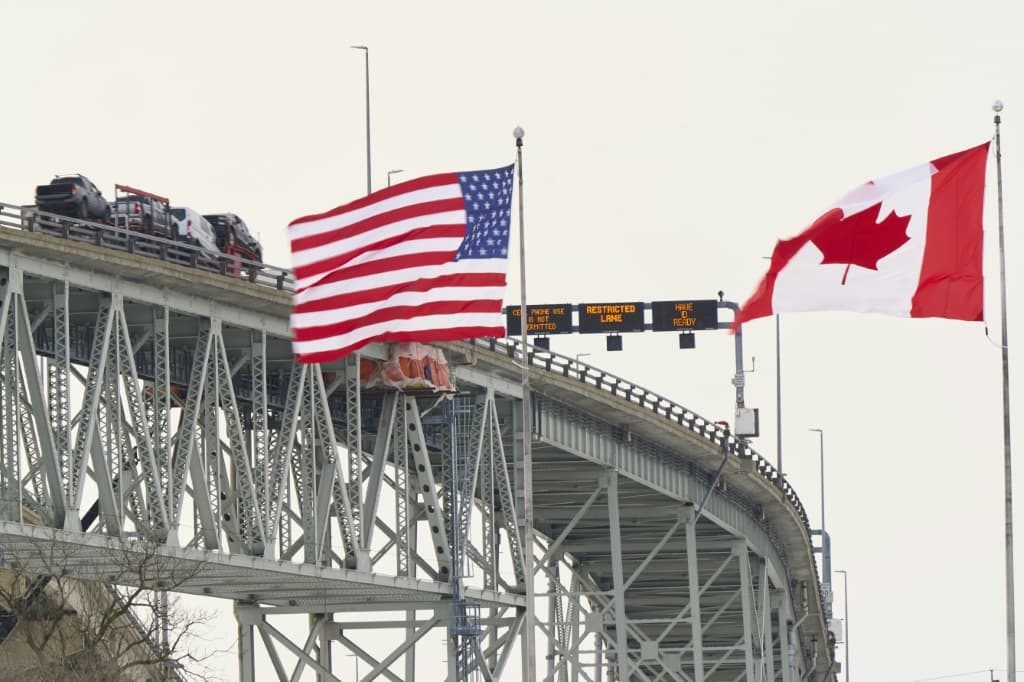
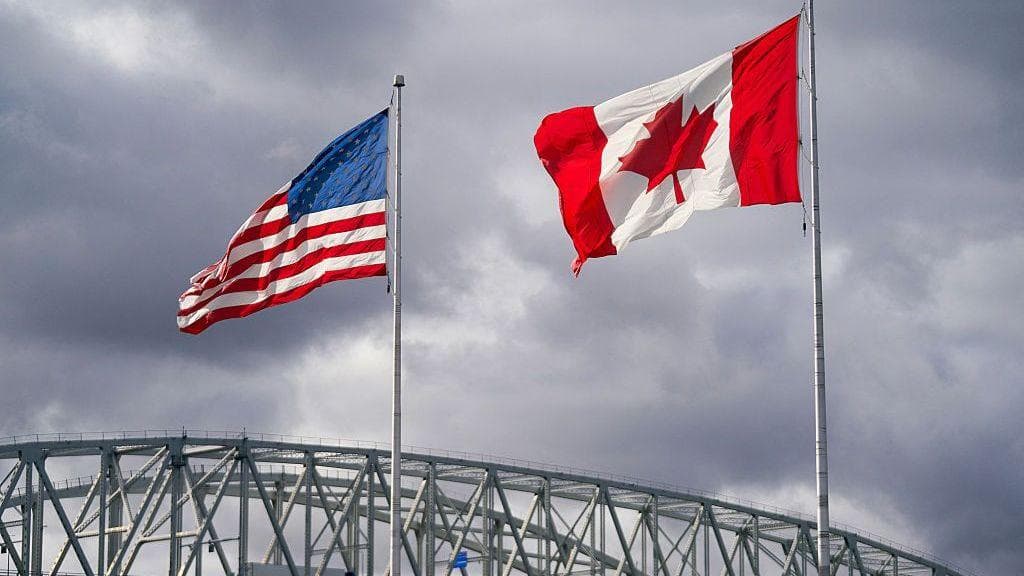
The White House announced on Friday that starting October 30 the US will exempt a number of Canadian goods from 50% tariffs. According to the administration, the measure is aimed at 'protecting the economic prosperity and national security of Americans.' Sheets of plywood, some paper products, certain types of machinery and refrigeration equipment, as well as packing crates and boxes, are being removed from the list of taxed goods. Their place on the list will be taken by some valves, carpets, and waste, among other things. The BBC contacted the White House, the Commerce Department, and the Office of the US Trade Representative for comment.
Collins announced the exemptions before the White House
Republican senator from Maine Susan Collins, fighting for a sixth term in a tight race, was the first to announce the exemptions. She said she had secured 'additional tariff exemptions' for products critical to the state's agriculture, including producers of blueberries, potatoes, apples, and seaweed. According to her, farmers depend on specialized equipment and packaging from Canada that is unavailable from American suppliers or whose replacement is costly. Collins also asked officials to pursue additional relief and a broader trade deal with Canada.
Connection to the midterm elections
The Wall Street Journal reported that the exemptions, mostly concerning Canadian agriculture and forestry, were made to help Collins and other Republicans in the November 3 midterm elections, where goods availability and the economy are key issues for voters. According to the outlet, the reductions may be offset by higher tariffs on other Canadian goods. The economy of Maine and other border states is closely tied to Canada and has suffered from the months-long trade war. Michigan Republican Mike Rogers, who previously backed the policy in ads, called on Trump to end the confrontation.
Positions of Trump and Carney
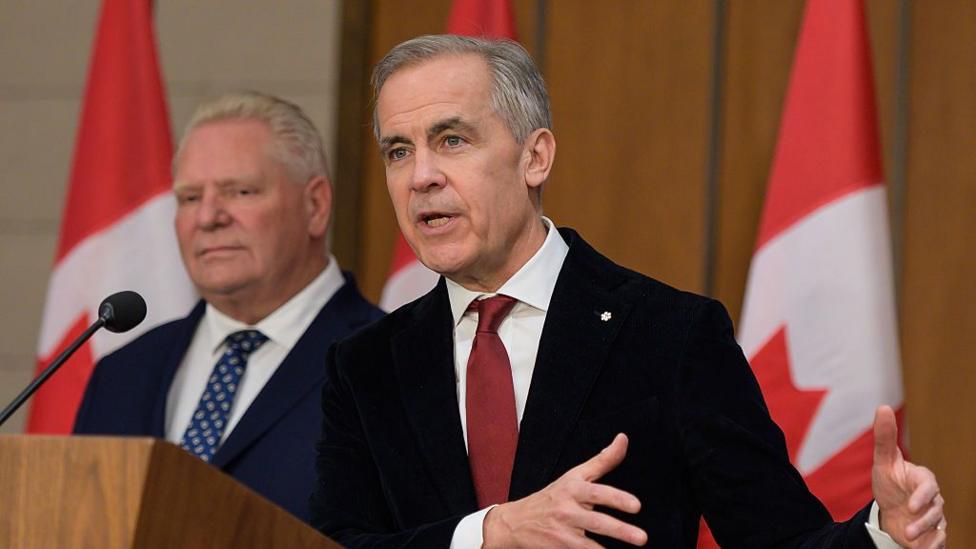
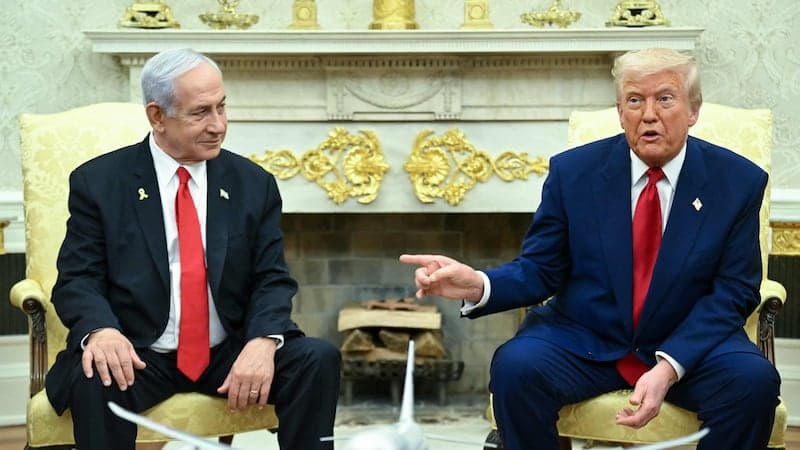
On Friday, President Donald Trump said Canada is 'working very hard' on a trade deal with the US. Canadian Prime Minister Mark Carney said Canada is open to a mutually beneficial agreement but is ready to wait: 'We could have signed it today afternoon if the US were ready. If it takes months or longer, or another administration, before a proper agreement is concluded, we will do that,' CBC quoted him as saying. Recall that after the collapse of trade talks this summer, the US and Canada entered an escalating tariff war that has affected both sides of the border.
 Image source, Getty Images
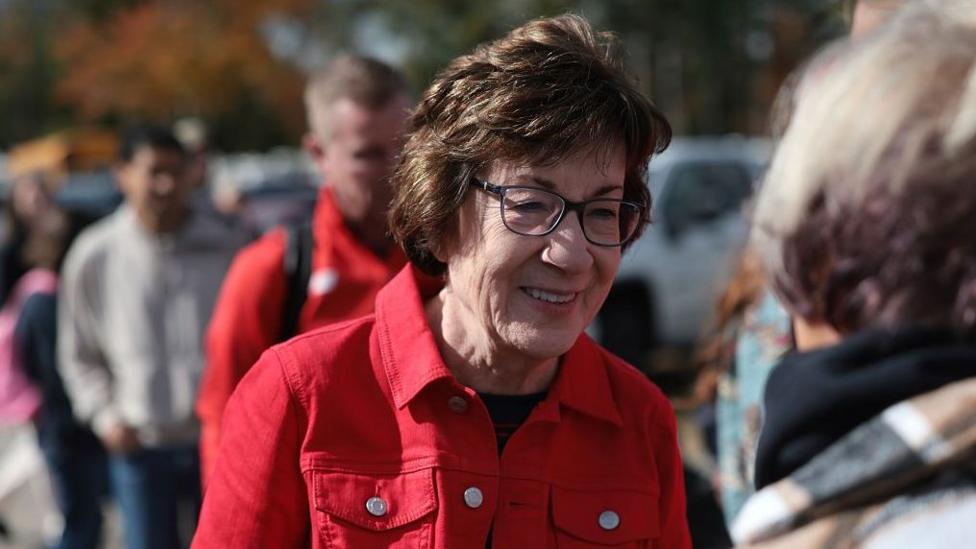 Image source, Getty Images
Senator Susan Collins said she had worked with the administration to secure 'tariff relief'