The key facts
- Elections in Israel on October 27 and the US midterms on November 3 are the biggest tests of public opinion since the conflict began in February 2026
- Polls in Israel predict a deadlock: neither Netanyahu nor Eisenkot has a majority, but this does not prevent orders for strikes during coalition negotiations
- Trump said in early October that the US would not attack Iran 'at any time before the midterm elections,' but did not rule out strikes after them
Elections Against the Backdrop of Conflict
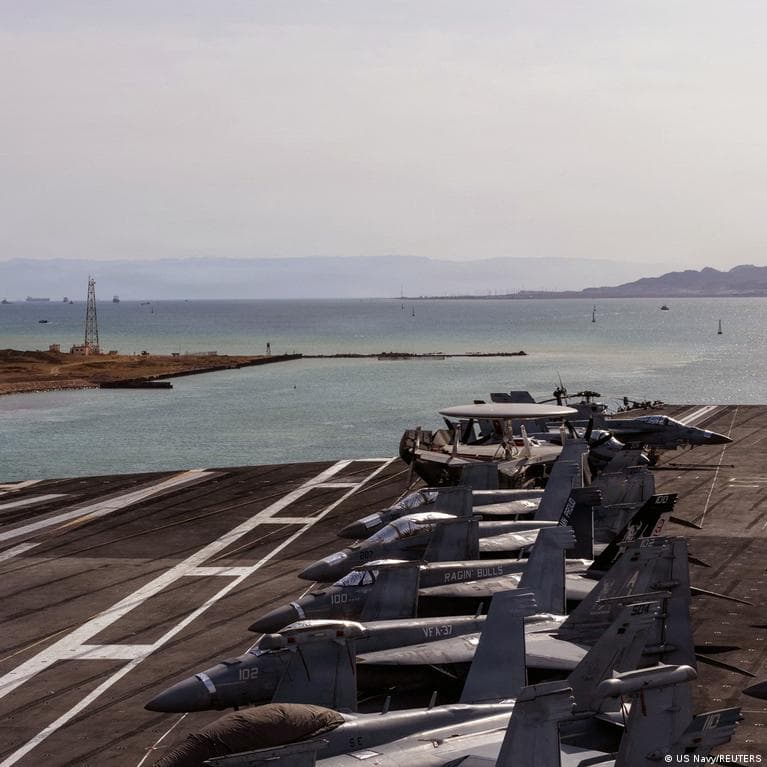
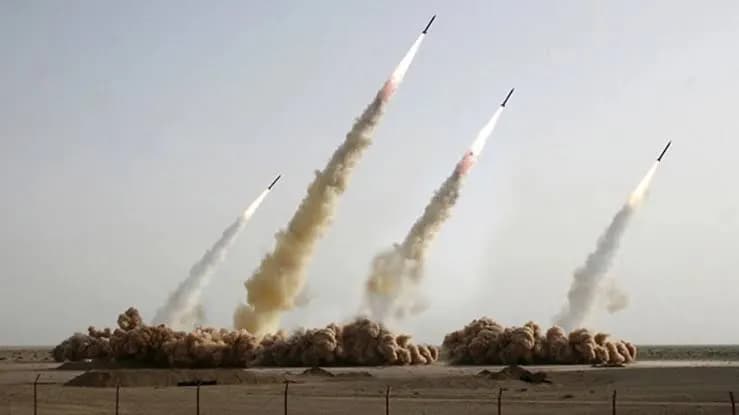
The US and Israel are signaling possible new military action against Iran, while both countries prepare for elections that could influence the course of the war. Israel's general elections are scheduled for October 27, and the US midterm elections for November 3. These are the biggest tests of public opinion for the leadership of both countries since the conflict began in February 2026.
Israel: A Likely Period of Uncertainty
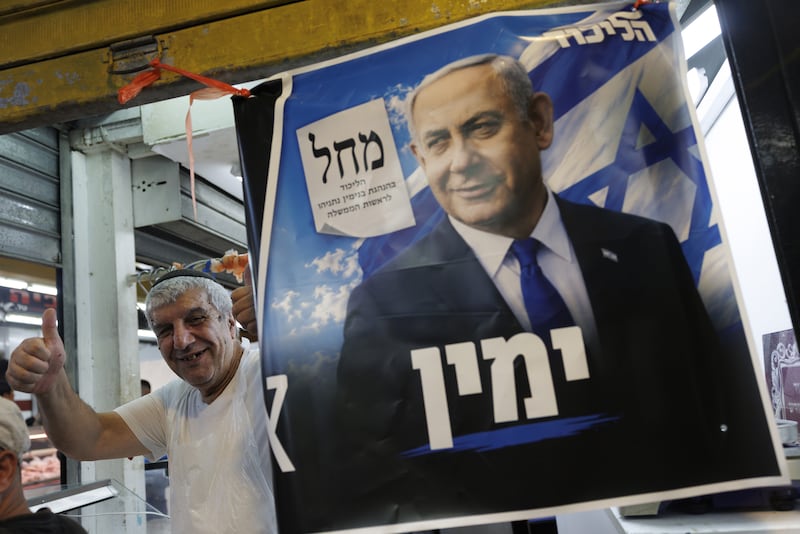
According to polls, Israel could face a deadlock: neither Prime Minister Benjamin Netanyahu nor his main opponent Gadi Eisenkot has a majority. However, this will not prevent Netanyahu from ordering strikes while coalition negotiations are underway. After the elections, forming a coalition could take weeks or months, and Netanyahu would remain acting prime minister without formal limits on his powers — that is, he would retain the ability to order a military operation against Iran. Israel has no strict prohibition on major decisions by transitional governments, as exists in some countries. Nevertheless, opposition leader Yair Lapid, according to quotes in Israeli media, said that such governments should not act in ways that 'fundamentally change reality.' In August 2022, Lapid himself was acting prime minister — though before, not after, elections — when Israel carried out a three-day series of strikes on Gaza. There are also suggestions that Netanyahu could use the crisis to form a wartime national unity government with the participation of the opposition. Netanyahu promises to maintain a hardline doctrine if he wins; most opposition leaders also support strikes on Iran and oppose a Palestinian state.
US: Possible Closer Scrutiny
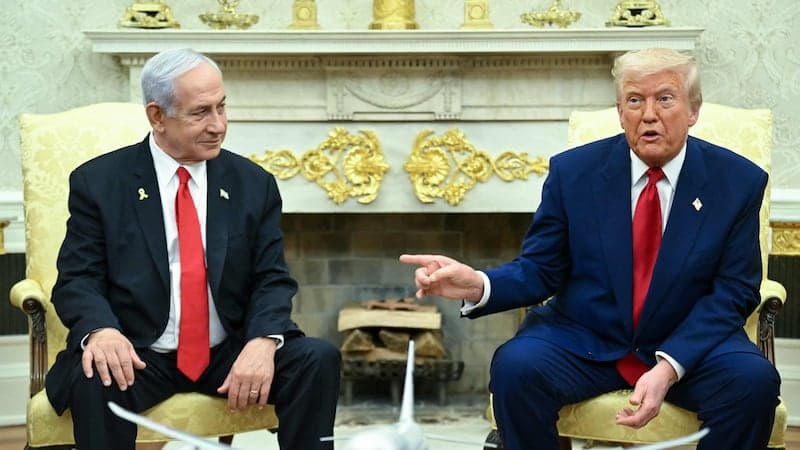
Americans will elect a new Congress and governors in many states. Donald Trump holds office until 2029, and his powers as commander-in-chief do not depend on having a majority in Congress — meaning he can order a new attack on Iran at any moment. In early October, he said the US would not attack Iran 'at any time before the midterm elections,' but did not rule out strikes after them. A Republican defeat, however, could narrow his political options: high energy prices would likely be blamed on him, and a new disruption in the Strait of Hormuz and energy exports from the Persian Gulf risks deepening his unpopularity. A Democratic-controlled Congress could also launch investigations into the war and potentially create discomfort for the administration: military aid to Israel, sanctions against Iran, and Washington's relations with the governments of Persian Gulf countries could come under deeper scrutiny.