The key facts
- Aipac is ending candidate endorsements and direct contributions, but will keep its super PAC United Democracy Project with unlimited funding for advertising
- Aipac members gave more than $90 million to candidates in the current cycle; a spokesperson said such donations 'will continue and grow'
- In Michigan, the super PAC spent more than $30 million on the primary against Abdul El-Sayed and about $9 million now in support of his opponent, a Bernie Sanders-endorsed candidate's rival
Aipac changes its format of political engagement
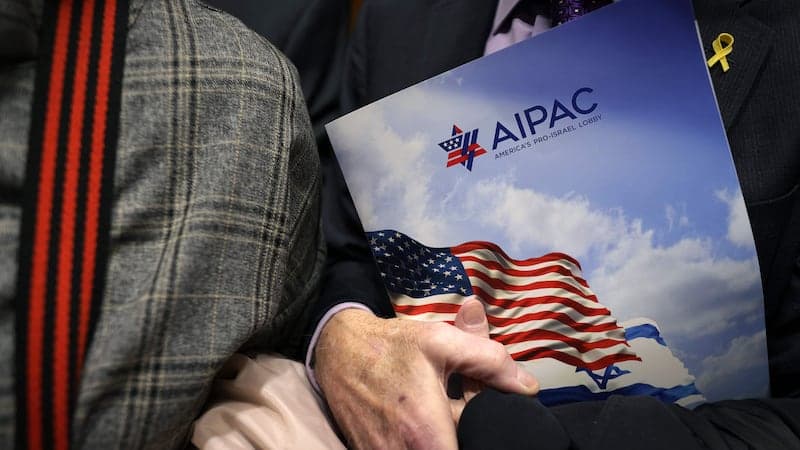
The American Israel Public Affairs Committee (Aipac) — the most influential pro-Israel lobby in the US — announced that it will no longer officially endorse candidates or make direct contributions to their campaigns. Jewish Insider was the first to report this. The group will continue to operate through its United Democracy Project committee — a super PAC that is allowed to raise unlimited funds for advertising but is prohibited from coordinating with candidates. Aipac began directly financing politicians in 2022. The organization did not immediately respond to a request for comment, but told NPR that its strategy is not changing.
Context: criticism and declining support for Israel
The decision comes amid growing criticism of Aipac, especially within the Democratic Party, and declining support for Israel among Americans after the war in Gaza. Polls show a significant shift in public opinion, primarily among Democrats and independents. Democratic strategist Jim Manley called Aipac 'radioactive' for many candidates and expressed surprise at the decision: according to him, the lobby is usually not inclined to back away from a fight. He added that the move could become a 'big headache' for Democratic leaders, including House Minority Leader Hakeem Jeffries and Senate Minority Leader Chuck Schumer, who received contributions from Aipac's political network.
Analysts' reaction and Aipac's position
Aipac spokesperson Deryn Sousa told NPR that the group's goal is to strengthen support for the US-Israel relationship, and that members of the organization gave more than $90 million directly to candidates in the current election cycle, and such funding 'will continue and grow.' Washington political analyst Trita Parsi, on the contrary, stated on X that it is 'hard to overstate' the significance of the event: previously Aipac maintained an aura of invincibility, and now its name is so 'toxic' that the group does not want to list it in its own political contributions. Observers note that the decision changes the way political money is channeled, not political engagement itself, and may spare candidates the consequences of the group's overt support.
Michigan: the main battleground
The effect will be felt most quickly in Michigan, where the Senate race is being closely watched. Aipac's super PAC spent more than $30 million trying to defeat Abdul El-Sayed in the Democratic primary while supporting Congresswoman Haley Stevens — the organization's largest investment in a single campaign. El-Sayed, an American physician of Egyptian origin and a progressive, nevertheless won the nomination in August, which became a major failure for the lobby. He now faces Republican Mike Rogers, an ally of President Donald Trump, in the midterm elections on November 3. Rogers initially feared Aipac's involvement, but then publicly welcomed its support. El-Sayed, who is backed by Senator Bernie Sanders, calls for ending US military aid to Israel and calls the war in Gaza a genocide; if he wins, he would become the first Muslim US senator.
New spending against El-Sayed
According to The Washington Post, this week Aipac directed about $9 million to a group supporting Rogers; the money is designated as independent political expenditures rather than a direct campaign contribution. Sanders wrote on X: 'Aipac is now spending up to $9 million against Abdul El-Sayed. Aipac is the reason we are at war with Iran. Aipac is the reason the US supported the genocide in Gaza. We must say no to Aipac.'