The key facts
- Jais 3 was created by MBZUAI and Inception42 in Abu Dhabi
- Jais Speech recognizes the dialects of 19 Arab countries and switching to English or French
- The models were evaluated on 24 Arabic benchmarks, with results to be published openly
A new version of Arabic AI
The Mohamed bin Zayed University of Artificial Intelligence (MBZUAI) in Abu Dhabi has unveiled Jais 3, an Arabic-language AI platform created in partnership with the Abu Dhabi company Inception42. The system answers queries and performs tasks: it transcribes conversations, creates documents and presentations. It includes Jais Speech, a speech recognition model for Arabic and its dialects of the Gulf region and North Africa, The National reports.
Handling dialects and language switching
The development was carried out by the university's Institute of Foundation Models (IFM) team. The goal was to capture the nuances of a language spoken by more than 400 million people worldwide. Jais Speech transcribes Modern Standard Arabic and the dialects of 19 Arab countries, identifies which dialect is being spoken, adds diacritics to the transcript, and keeps English or French words in their original script when speakers switch between languages. IFM senior scientist Haonan Li explained that Arabic AI must understand the language in everyday context, including cases where speakers 'insert English or French words in the middle of a sentence and then switch back'. According to him, one of the main challenges was balanced representation of dialects: open data on Gulf dialects is scarce, and open models default to Standard Arabic when generating synthetic data. A similar problem arose with Morocco, where the data mostly covers Darija to the detriment of other dialects of the region.
Test results and plans for use
IFM and Inception42 evaluated the models on an audited set of 24 Arabic benchmarks, which is published alongside the models. According to the developers, the largest Jais 3 model leads among open models in agentic tasks and matches the strongest ones in Arabic comprehension; Jais Speech showed the lowest average word and character error rates among the compared models, while the 7 and 32 billion parameter models received the highest average Arabic scores among open models of comparable size. Dr. Larry Murray, senior vice president for applied sciences at Inception42, noted that Jais 3 makes Arabic AI more practical for business: strong reasoning and instruction following combined with tool use create a foundation for multi-step agentic workflows, and open models of various sizes allow organizations to match capabilities to their compute budgets. Richard Morton, vice president and executive director of IFM, linked the launch to the UAE National AI Strategy 2031 and the country's long-term investment in open AI research.
Context and significance
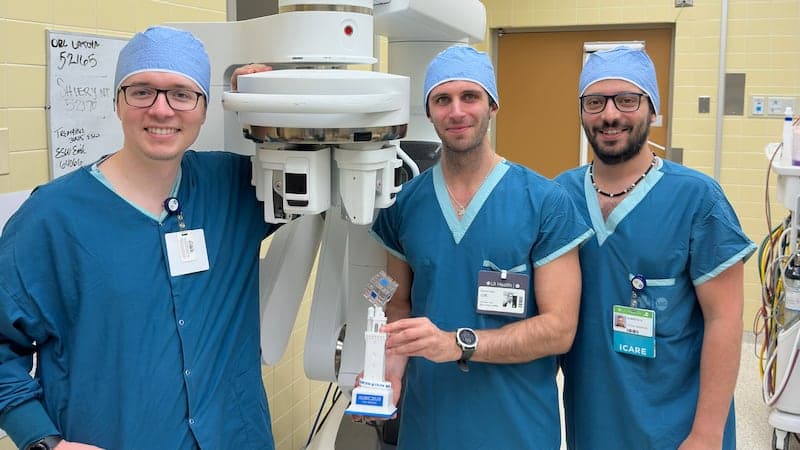
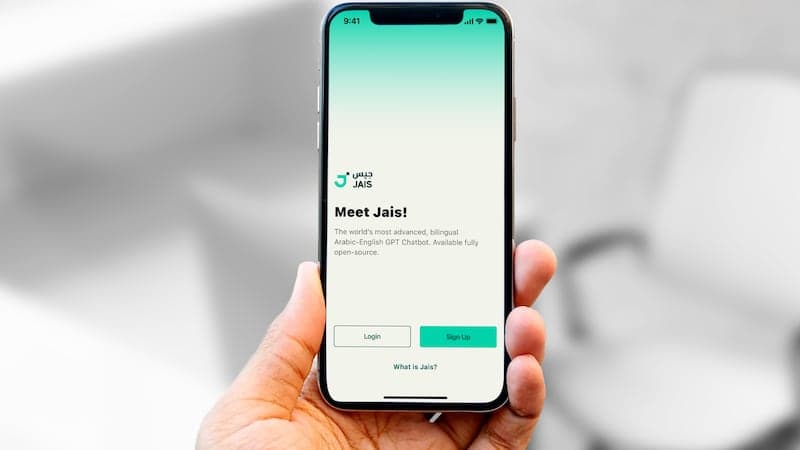
Jais 3 continues MBZUAI's line of developments: the university previously released the Jais chatbot and the open K2 Horizon model. According to The National, the launch came amid a broader integration of Arabic into the region's technology products — from Whoop fitness trackers to award-winning AI tools for surgeons. For Arabic-speaking users and businesses, the practical significance is that systems will be able to correctly process live conversational speech with dialects and language mixing, while the open release of models and benchmarks allows organizations to deploy them on their own infrastructure. Limitation: details on the product's availability to end users are not provided in the publications.