The key facts
- Janus AI from MBZUAI won the Robotic Urology Breakthrough Innovation Challenge at the Erus 26 conference in Padua (September)
- The system retrieves up to three 30-second clips of past operations at the current stage within milliseconds
- The technology is not yet ready for use in live surgeries: further refinement and regulatory approval are needed
Award at a Conference in Italy
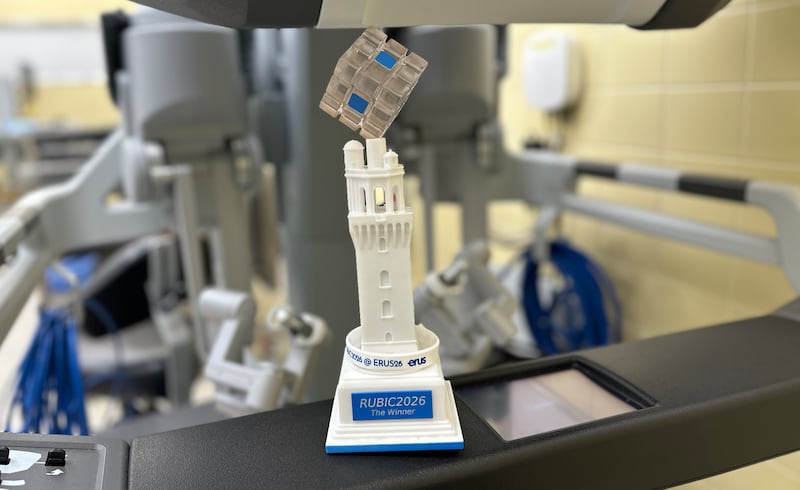
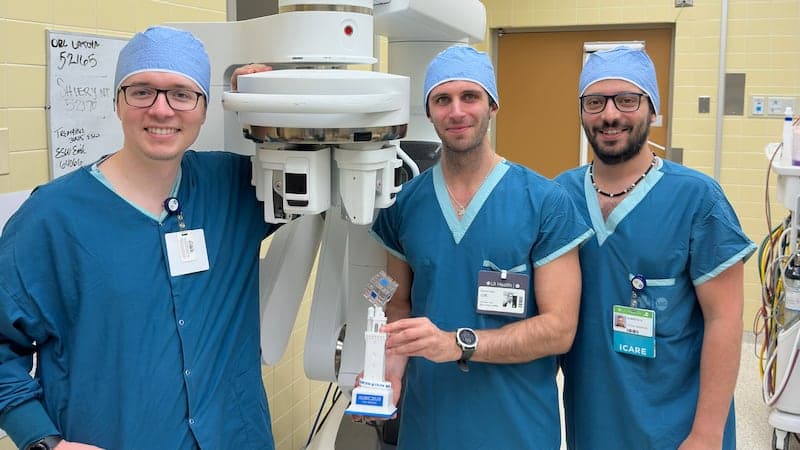
Researchers from the MBZUAI artificial intelligence university in Abu Dhabi received the international Robotic Urology Breakthrough Innovation Challenge award at the Erus 26 robotic urological surgery conference, held in September in Padua (Italy). The award was given for the development of Janus AI — a tool designed to assist surgeons directly during operations.
How the System Works
Janus AI analyzes the video recorded during a robotic operation and retrieves a 30-second clip from a previous operation corresponding to the current stage of the procedure. The system can show the surgeon up to three clips of past operations at the same stage, allowing comparison of different approaches. The search is performed very quickly — the developers aim for a millisecond response: the doctor presses a button, makes a query, and the system returns three examples for learning. The name references the two-faced Roman god Janus — facing the past and the future — reflecting the idea of using past surgical experience to make decisions in the current operation.
Developers' Opinions
MBZUAI Professor of Robotics Cesare Stefanini, who supervised the development, explained that during a robotic operation, several small videos with successful examples of similar procedures at the same moment can be displayed on the screen — as a reference for actions. According to him, surgeons sometimes need help or advice from a colleague who is not nearby, and the system makes it possible to 'bring human experience from one person to another.' He also noted that recognition from not only the IT community but also the medical community is very valuable. MBZUAI postdoctoral researcher Edoardo Fazzari, who completed most of the development in about five months this year after initial discussions with doctors, emphasized that the project is valuable for its practical benefit beyond academic research: 'You can look into the future. We use past experience to help people take the next steps.'
Collaboration and Current Video Library
The project was developed in collaboration with surgeons from the University of Illinois in Chicago; the University of Turin in Italy also contributed. The system's current video library covers robotic urological procedures, including nephrectomies — kidney removal operations. The researchers hope to expand the system to other types of surgery, especially robotic ones, as the library grows.
Paths to Clinical Application
Janus AI is not yet ready for use in real operations: the technology requires further refinement and regulatory approval before it can be applied in clinical practice. Once development is complete, the researchers expect to find a commercial partner to bring the system to market. Professor Stefanini, whose group plans to recruit new PhD students, including UAE citizens, called the project a source of pride for the country and expressed hope that it will become a platform for future developments at the university.