The key facts
- Many countries are switching to winter (“standard”) time this weekend
- The authors of the analysis in CMAJ consider permanent standard time best for health
- Permanent daylight saving time shifts sunrise an hour later, depriving people of morning light in winter
The switch to winter time and the scientific debate over a permanent option
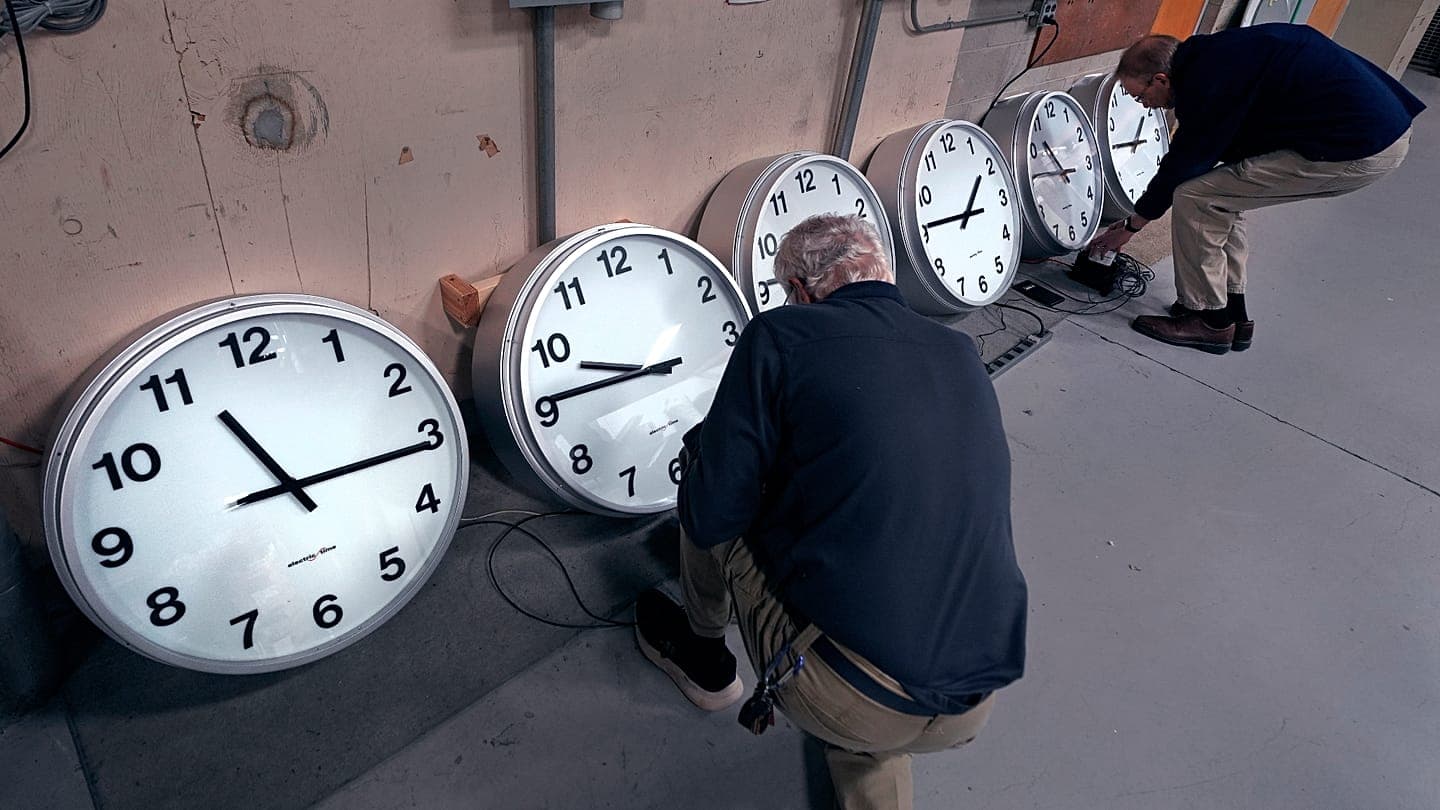
This weekend, many countries will turn their clocks back one hour, returning to winter, or“standard,” time, which aligns better with the position of the sun, Euronews reports. The clock change happens twice a year: the practice was introduced during the First World War to save energy and was reinstated in many countries in the 1970s. Despite numerous attempts to abandon seasonal clock changes, clocks are still shifted by an hour every spring and autumn. Researchers warn of health consequences, especially from the springtime change.
Findings of the analysis: standard time is better for health
Raymond Lam, a professor of psychiatry at the University of British Columbia and lead author of a recently published analysis on the health effects of daylight saving time (published in CMAJ), notes: “Abolishing the clock change solves one problem but creates another: which time should we live by year-round?” According to the authors, ending seasonal clock changes eliminates short-term disruptions, but it is the permanent system chosen that determines the long-term consequences for public health. “The body of medical evidence favors standard time, mainly because morning light is important for our biological clocks, sleep and mood,” Lam concludes.
Pros and cons of both options
Each option has its own advantages. Permanent daylight saving time makes evenings lighter, which can support leisure, social activity, commuting and certain types of economic activity. However, it shifts sunrise an hour later, and in winter more people wake up and travel to school and work in darkness. “Our biological clocks need morning light to stay synchronized with the 24-hour day,” explains Ralph Mistlberger, a professor of psychology at Simon Fraser University in Canada. “Permanent daylight saving time shifts that light an hour later precisely when winter mornings are already at their darkest.” Permanent standard time, by contrast, preserves earlier winter sunrises that align with human circadian rhythms. According to the analysis, morning light helps compensate for the natural drift of the biological clock, reduces sleepiness and supports alertness, sleep quality and mood.
Recommendations for governments
“Time policy is public health policy”, emphasizes Alexandra Choi, a public health physician at the regional health authority Vancouver Coastal Health. In her view, if governments decide to lock in daylight saving time year-round, they should prepare in advance for the consequences even before the first winter — from safer morning commutes and flexible start times for work and school to monitoring of sleep, mental health and injuries. Editorial note: the publication comes out at the moment of the actual switch to winter time, so the debate over a permanent system becomes relevant again for countries that still change their clocks; the analysis does not determine which specific states will adopt particular measures — that remains up to governments.