The key facts
- Kim Jong Un arrived in Dandong via the New Yalu River Bridge, Yonhap reports citing an unnamed source
- The bridge was completed in 2014 but went unused for 12 years; it officially opened about a week ago
- This came just over a month after the opening of North Korea's first road bridge to Russia
Arrival via the new bridge
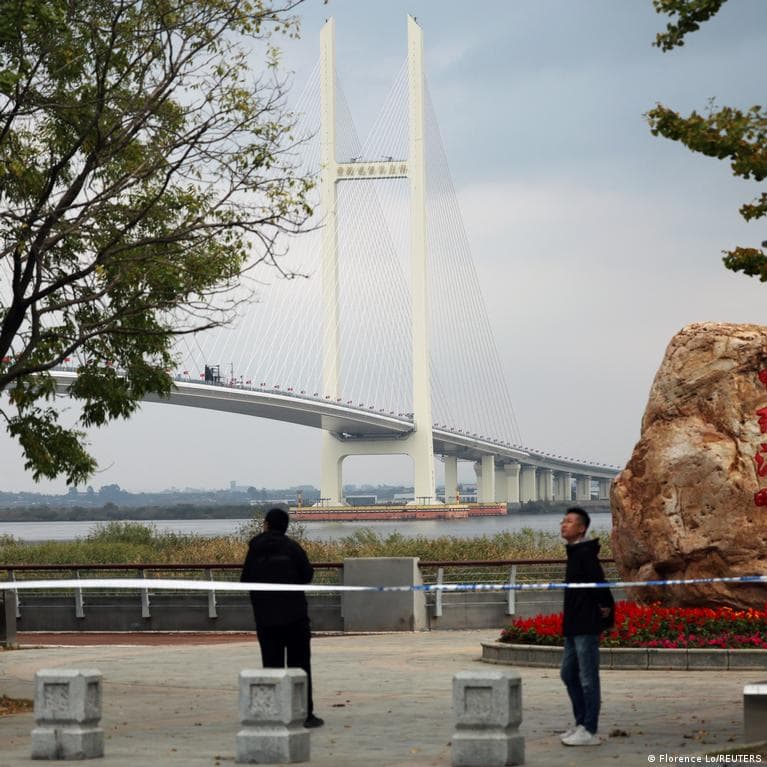
North Korean leader Kim Jong Un arrived in the Chinese border city of Dandong, crossing the New Yalu River Bridge, South Korea's Yonhap news agency reported on Saturday, citing an unnamed source. According to the source, 'it appears that Kim Jong Un arrived in Dandong, China, via the New Yalu River Bridge.' No official confirmation from Pyongyang or Beijing is provided in DW's report, so the information remains at the level of a single-source claim. (Deutsche Welle, citing Yonhap)
A bridge that waited 12 years to open
The four-lane bridge was completed in 2014 but remained unused for 12 years — the North Korean side lacked connecting roads and customs infrastructure. It officially opened about a week ago, which, in DW's assessment, marks a step toward strengthening economic ties between the neighbors. China is North Korea's largest trading partner and a key source of diplomatic, economic and political support for the isolated nuclear state, although relations between the two countries have not always been smooth.
The context of two bridges
The opening of the New Yalu River Bridge came just over a month after North Korea and Russia put into operation their first road bridge, which Pyongyang described as a sign of growing closeness. According to analysts cited by DW, North Korea's trade with Russia is tied mainly to military supplies, whereas trade with China may provide goods needed for the development of North Korea's civilian economy. The editorial takeaway from these facts: within a month, Pyongyang has built two overland transport channels to its key partners, but the nature of their use remains unknown — the report contains no data on freight volumes or the bridges' operating schedules.
Why it matters
The event concerns logistics and the economy of Northeast Asia: bringing the bridge into operation after 12 years of inactivity creates a new overland channel between China and North Korea, and Kim Jong Un's visit along this route underscores its symbolic significance. In practical terms, this means trade flows between the two countries can now pass over a bridge that previously existed only as unfinished infrastructure; however, the actual scale of the crossing's use has not yet been disclosed in available reports.