The key facts
- Germany's Defense Ministry is discussing with Covenant the purchase of several thousand Anthem missiles; the possible price is over one billion euros
- Delays in deliveries of Tomahawk and Typhon systems from the US could stretch up to five years, which is pushing Berlin to look for alternatives
- Final contracts have not yet been signed — this concerns talks and potential purchases
Talks on European missiles
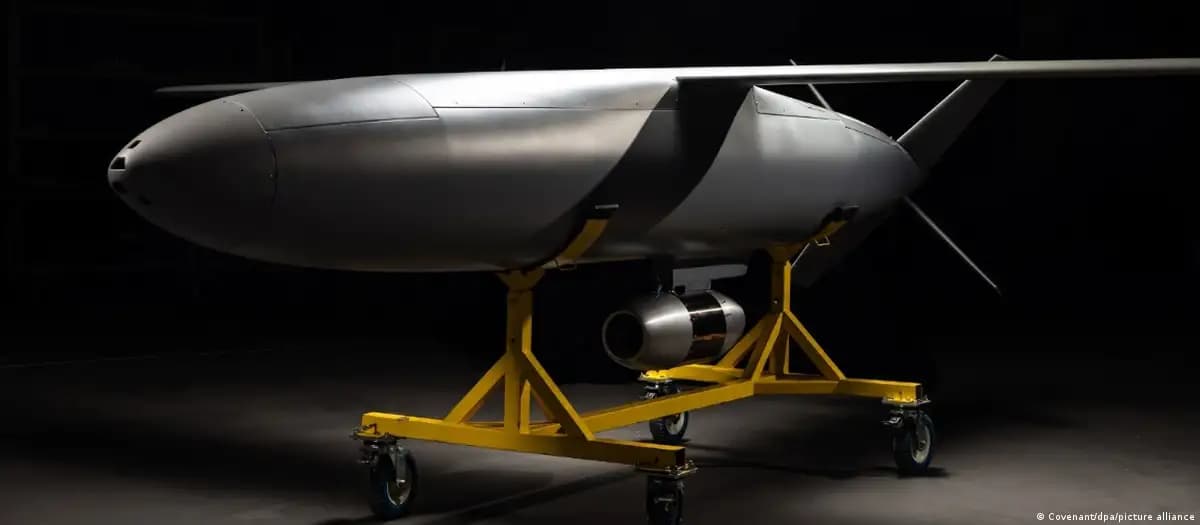
The Bloomberg news agency reported on October 23, citing informed sources, that the German Defense Ministry is in talks with the American company Covenant about purchasing several thousand Anthem ground-launched cruise missiles. The potential cost of the contract could exceed one billion euros.
Production plans and other candidates
Covenant plans to produce components for Anthem missiles in Leipzig starting in 2027: in the first year the company expects to produce one thousand missiles, later increasing the volume to five thousand. Among the other possible suppliers Berlin is considering is the Dutch company Destinus SA, maker of the Ruta cruise missiles. Germany is also working with the British company Hypersonica on the HS1 hypersonic missile. In addition, according to the agency's sources, consultations are underway with Ukraine on the joint development and purchase of Bars cruise missiles; Bloomberg notes that the manufacturer of these missiles is not disclosed.
Why alternatives to Tomahawk are being sought
The search for options began amid the possibility that plans to acquire American Tomahawk missiles and Typhon ground launchers could be delayed. According to the agency, the delivery delay could stretch up to five years. At present, the Bundeswehr's arsenal in this class consists mainly of TAURUS air-launched cruise missiles with a range of about 500 kilometers. So far this concerns only potential purchases and talks: the Bloomberg data cited does not mention the signing of final contracts.
What this means
If the talks end in contracts, Germany would be able to significantly expand its arsenal of ground-launched cruise missiles without waiting for American deliveries, and component production in Leipzig from 2027 would create a local manufacturing base. For readers, this is a signal of a possible shift in the structure of European arms procurement. At the same time, only the talks themselves and the companies' plans have been confirmed — no deal has been signed, and the timelines and volumes remain subject to discussion.