The key facts
- Israelis are voting in elections that the outlet calls among the most important in the country's history
- Israelis are voting in an election the publication calls one of the most important in the country's history
- Netanyahu and Eisenkot are running nearly neck and neck in the polls, while Ben-Gvir advocates annexing the West Bank
- Netanyahu and Eisenkot are running almost level in the polls, while Ben Gvir backs the annexation of the West Bank
- Mansour Abbas is a potential 'kingmaker' if Arab voter turnout is high
Voting next week
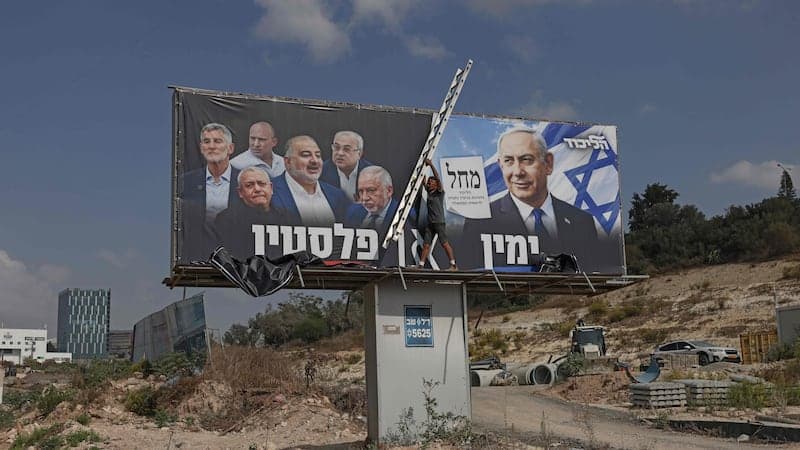
On Tuesday, October 27, Israelis will go to the polls in elections that The National describes as among the most consequential in the country's history, with potential implications for the entire region. The outlet notes that the vote is taking place against the backdrop of growing international recognition of Palestinian statehood, and it publishes an overview of key figures' positions on the issue. According to the outlet, as in recent Israeli elections, the choice is not simply a contest between left and right, but a question of whether Israelis want to see Benjamin Netanyahu in power again.
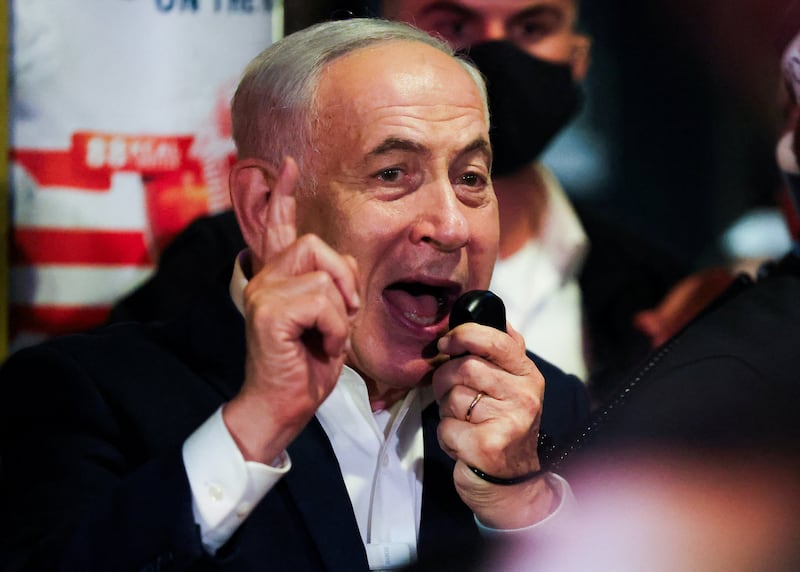
Netanyahu: against a Palestinian state
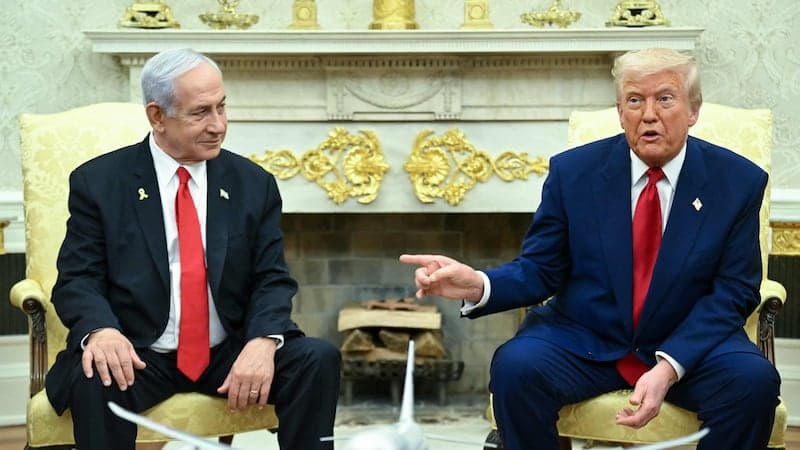
Prime Minister Benjamin Netanyahu, as The National characterizes him, has for decades remained Israel's best-known, most capable and most polarizing politician. Although, according to the main polls, he is not approaching a majority, he is not written off: he has survived pressure to step down after the security failure of October 7, 2023. Analysts believe he could come into his own during the stage of difficult coalition negotiations if the elections end in a deadlock. Supporters point to his decades of experience, his command of English and his ties to world leaders, including Donald Trump; opponents accuse him of isolating Israel internationally, of 'aimless and endless wars' and of empowering the ultranationalist right and the ultra-Orthodox. On the two-state question: Netanyahu is firmly opposed to a Palestinian state and, according to the outlet, regularly says that preventing its creation has been his life's work; his last government oversaw a massive expansion of illegal settlement on the occupied West Bank, and his coalition partners want to relocate the Gaza Strip.
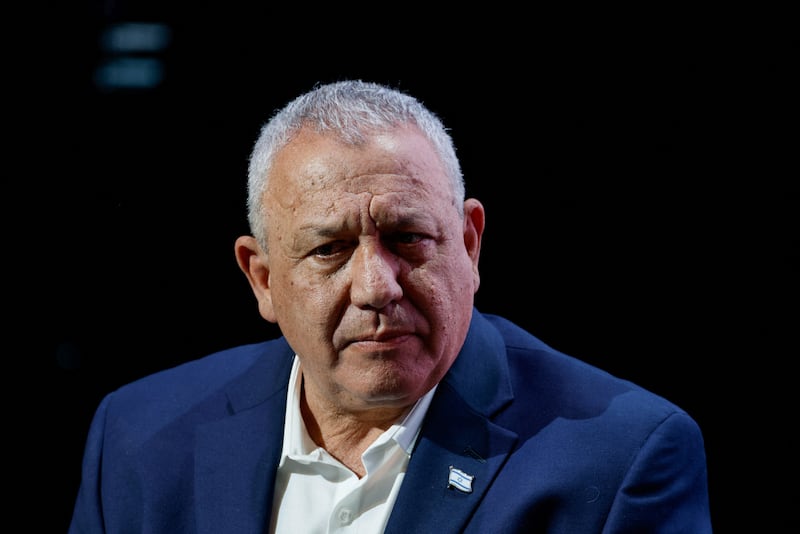
Gadi Eisenkot: the leader of the opposition
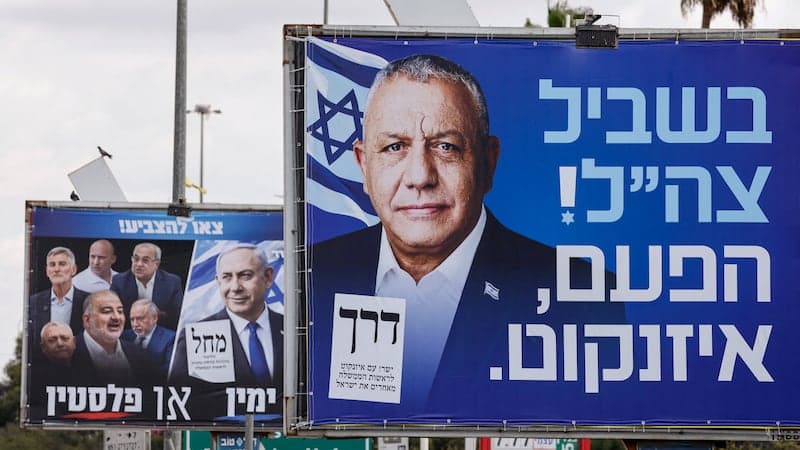
Former chief of the general staff Gadi Eisenkot leads the Yashar ('integrity') party and, according to the outlet, is far ahead of more experienced rivals, including former prime ministers. His family are Mizrahi Jews from Morocco, he comes from the periphery and he lost loved ones in the Gaza war. He calls for a state commission of inquiry into the events of October 7 and for abolishing military service exemptions for the ultra-Orthodox, which puts him in sharp contradiction with Netanyahu, whom he narrowly leads in most polls. The outlet notes that Eisenkot devised the 'Dahiya doctrine' — the use of disproportionate force, including against civilian infrastructure — and does not oppose illegal settlement on the West Bank. On Palestinian statehood: in August he stated on X that no Palestinian state would arise under his government, and in October he criticized Netanyahu for having 'spoken out in favor of two states dozens of times.'
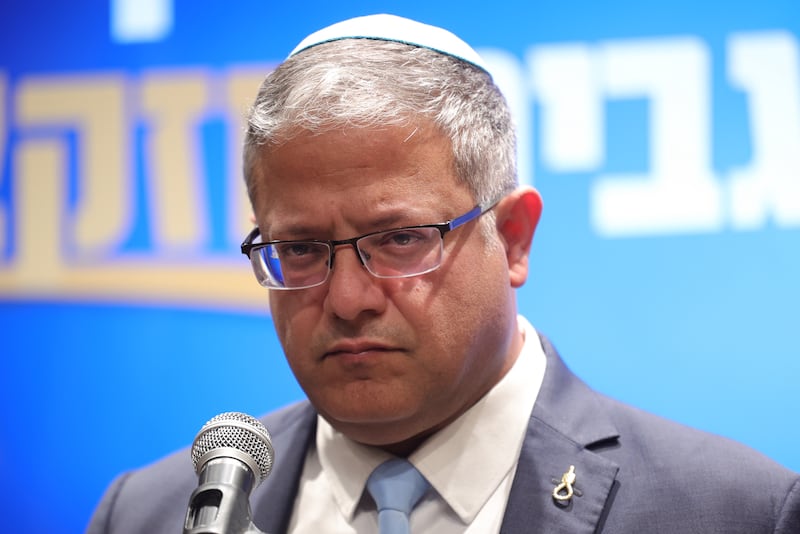
Itamar Ben-Gvir and other right-wing figures
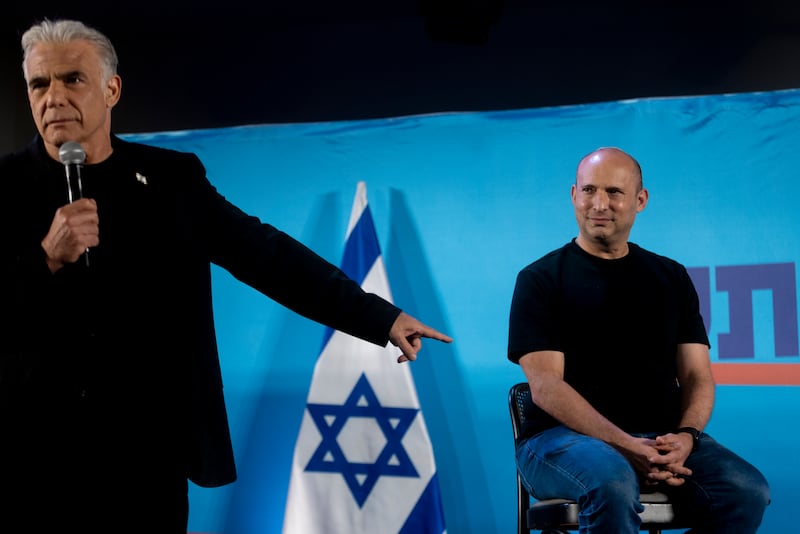
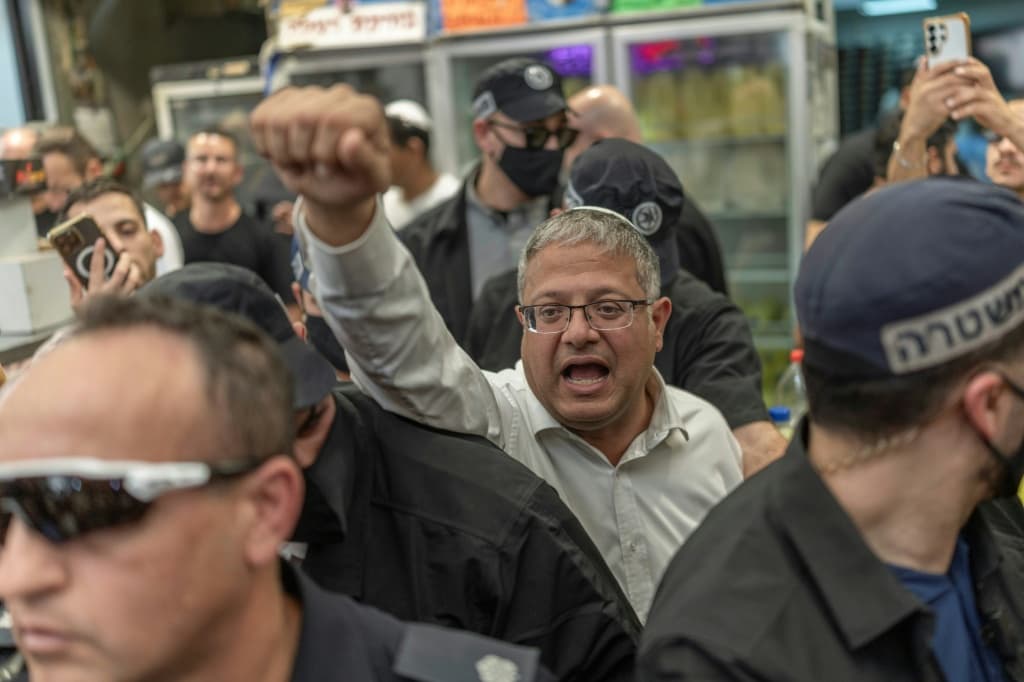
National Security Minister Itamar Ben-Gvir, a convicted criminal, has run Israel's police for four years and, in the outlet's assessment, is the second most prominent figure in the coalition. He regularly boasts about the destruction of Gaza, the worsening conditions for Palestinian prisoners and the growth of illegal settlements. Even if Netanyahu's bloc falls, his high ratings and huge social media following mean he will likely remain in politics. Ben-Gvir is firmly opposed to a Palestinian state: he advocates annexing the West Bank, relocating the Gaza Strip and expelling Palestinian residents; last year he said that Palestinian Authority officials should be killed if the UN advanced recognition of a Palestinian state. Former prime ministers Naftali Bennett and Yair Lapid, who merged in April into the Together party, are, according to the outlet, steadily losing ground and being overshadowed by Eisenkot. Bennett is against a Palestinian state; Lapid was once more open to the idea of two states, but after October 7 he hardened his rhetoric, calling the recognition of Palestine by the UK, Canada and Australia in 2025 a 'diplomatic disaster' and 'a reward for terrorism.'
Mansour Abbas — a potential 'kingmaker'
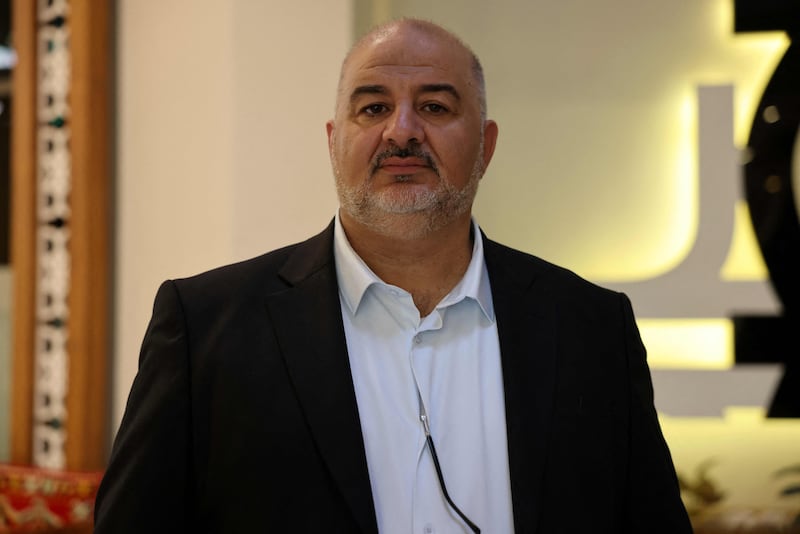
Mansour Abbas, head of the Arab Ra'am party, could play the role of 'kingmaker', according to the publication: a higher-than-usual turnout among Arab voters could give Palestinian politicians a significant number of seats in the Knesset. The community, The National notes, has faced a wave of organised crime since Ben Gvir took charge of the police, and is under attack from the growing right wing. In August, Abbas called on Israel to recognise 'an independent Palestinian state', adding: 'We want [Israel and the US] to recognise it, and we will work for peace, rapprochement, an end to the occupation and the conflict.'
Why it matters
The outcome of the election will determine not only the composition of the government but also Israel's position on Palestinian statehood at a moment when, according to The National, international recognition of Palestine is growing. In practical terms, the outcome depends on coalition arithmetic: in the event of a deadlock, Netanyahu's negotiations and the weight of the Ra'am party amid high Arab voter turnout could prove decisive. So far, according to the polls cited, neither bloc has a secure majority, and the positions of almost all the leading candidates on the two-state solution differ only in detail — Netanyahu, Eisenkot, Ben Gvir and Bennett oppose it, and only Abbas supports recognition.