The key facts
- The parliament of eastern Libya unanimously approved the maritime corridor agreement with Turkey, reversing its previous position.
- Eastern Libya's parliament unanimously approved the maritime corridor agreement with Turkey, reversing its previous position.
- Greece rejected the deal; the EU, according to the EU's top diplomat Kaja Kallas, considers it a violation of the sovereign rights of third states.
- Greece rejected the deal; the EU, according to foreign policy chief Kaja Kallas, considers it a violation of the sovereign rights of third states.
- The corridor crosses the route of the planned EastMed gas pipeline and affects areas with gas reserves estimated in the hundreds of billions of dollars.
Eastern Libya's parliament approves the maritime agreement
On Tuesday the parliament of eastern Libya unanimously approved a maritime agreement with Turkey, establishing a direct maritime economic corridor between the two countries. Turkey had previously agreed on this corridor in 2019 with the UN-recognized Government of National Accord in western Libya, but the eastern government opposed the deal. Now the eastern parliament has revised its position. Turkey's foreign ministry welcomed the decision, Deutsche Welle reports.
The essence of the agreement and the reaction of Greece and the EU
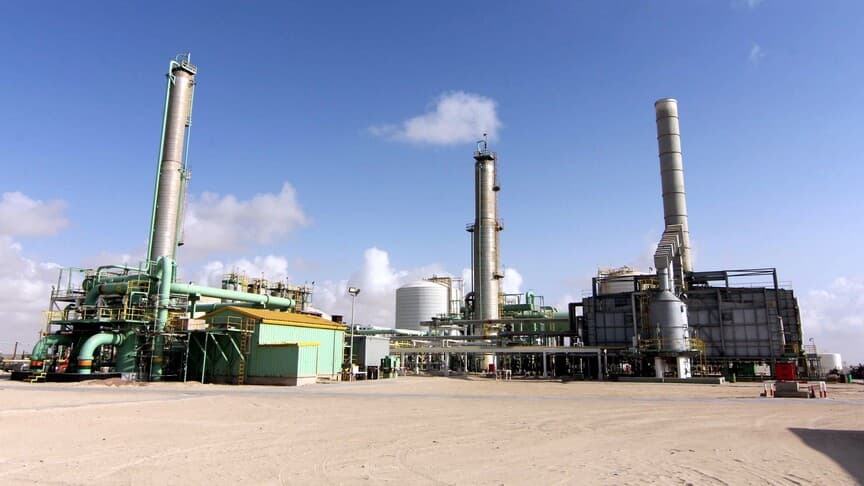
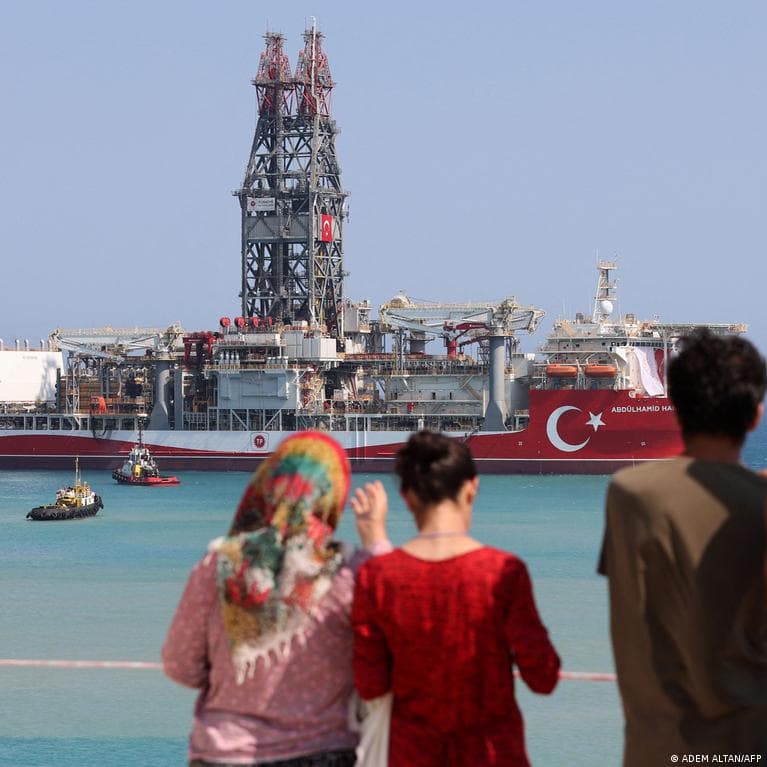
The agreement creates a direct maritime corridor between Turkey's southern coast and Libya's northern coast. It is estimated that natural gas reserves worth several hundred billion US dollars may lie beneath the seabed in this area; Turkey and Libya intend to develop these resources jointly. At the same time, the corridor ignores the Greek islands of Crete, Karpathos and Rhodes. Athens insists on a full exclusive economic zone around these islands and announced its disagreement with the deal. Greece's foreign ministry said the country firmly rejects the agreement and enjoys the support of the European Union: according to it, the EU called the Turkish-Libyan memorandum 'having no legal force', since it violates the sovereign rights of third states and does not comply with maritime law. The EU's High Representative for Foreign Affairs Kaja Kallas said she had raised the issue of the Libyan vote on the memorandum, emphasizing its infringement on the sovereign rights of third states.
The legal dispute
The central point of contention is whose claims in the eastern Mediterranean are legitimate. Greece relies on the UN Convention on the Law of the Sea (UNCLOS): under Article 121, inhabited islands that 'sustain their own economic life' have the same rights to an exclusive economic zone as the mainland — which applies to Crete, Rhodes and Lesbos. Athens cites, in particular, a 2022 ruling by the International Court of Justice, which found that Colombia had violated Nicaragua's sovereign rights by allowing fishing in its exclusive economic zone. Turkey, for its part, argues that the geography of the Mediterranean is special: if every small Greek island off the coasts of Turkey and Cyprus were granted a full exclusive zone, Turkey would be largely cut off from the open sea. Unlike Greece, Turkey has never signed UNCLOS and does not agree to have the dispute considered by a UN arbitration tribunal. At the same time, as Deutsche Welle notes, even international maritime law experts disagree on what a 'fair division' should look like in this case.
Haftar's changed position and the consequences
In 2019, when Turkey was pushing the agreement through, a brutal civil war was raging in Libya: Turkey intervened militarily in the west, supporting the government in Tripoli and repelling the offensive of eastern Libyan general Khalifa Haftar. Since then, relations have changed: Ankara has achieved political rapprochement with Haftar and his camp and now maintains mutually beneficial ties with both parts of the country. Turkish construction companies have received multi-billion-dollar contracts to rebuild Libya, the state oil company TPAO and Libya's National Oil Corporation are preparing joint seismic surveys off the coast, and Turkey has become a military partner of Haftar's forces, supplying weapons and training them — displacing the influence of Egypt and Russia in eastern Libya. With the approval of the agreement, eastern Libya also seeks to secure its share of the resources, which could strengthen Haftar's international influence. According to Deutsche Welle, disputes in the eastern Mediterranean are likely to intensify, especially once Turkey and Libya begin extracting oil and gas in the disputed area. The agreement also threatens the planned EastMed gas pipeline, which is meant to deliver gas from Israel and Cyprus via Greece for the EU's energy security: the Turkish-Libyan corridor crosses its route, and Turkey claims that cable and pipeline projects on the continental shelf it asserts require its consent. In the long term, this could lead to the region being split into two competing energy and defense blocs: a Turkey–Libya axis versus a Greece–Cyprus–Egypt–Israel alliance backed by the EU.
Why it matters
The eastern Libyan parliament's approval of the agreement unites both parts of the country around the disputed maritime deal for the first time, giving it additional weight and, according to Deutsche Welle, potentially strengthening Haftar's influence. For residents and companies in the region, the practical consequences relate to energy: the corridor crosses the route of the EastMed gas pipeline, on which the EU's energy security depends, and joint seismic surveys by TPAO and Libya's National Oil Corporation are already being prepared. It remains unclear exactly how Greece and the EU will translate their criticism into concrete measures — publications have so far been limited to statements about the memorandum's 'invalidity.'