The key facts
- The Al-Rashad field was opened south of the city of Brega, with a capacity of up to 50 million cubic feet of gas per day.
- The opening was announced by NOC chairman Masoud Suleiman during a ceremony marking the 65th anniversary of Libya's first oil export shipment.
- Libya produces about 2.4 billion cubic feet of gas per day; proven reserves are estimated at between 53 and 80 trillion cubic feet.
Opening of the Al-Rashad gas field
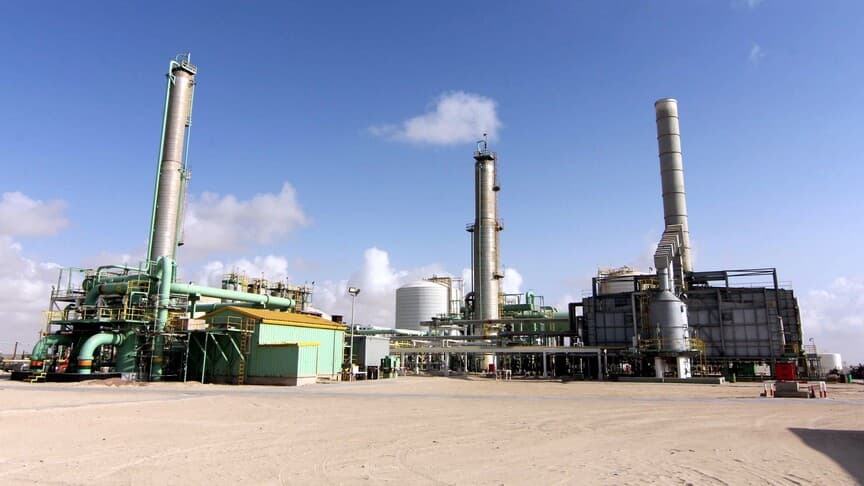
Libya on Sunday put into operation the Al-Rashad gas field, located south of the eastern city of Brega. The field's production capacity reaches 50 million cubic feet of gas per day. This was reported by the Anadolu agency, citing a statement from the National Oil Corporation (NOC).
The ceremony and NOC statements
According to the NOC, the opening was announced by the corporation's chairman, Masoud Suleiman, during a ceremony timed to the 65th anniversary of Libya's first oil export shipment. He described the field's commissioning as an important addition to the oil and gas sector that will strengthen gas supplies and meet the needs of power plants and industrial sectors.
Context: Libya's gas industry
The NOC recalls that the first shipment of Libyan crude oil was loaded at the Brega oil terminal on October 25, 1961 — this marked the beginning of oil exports from the country to international markets. Libya currently produces about 2.4 billion cubic feet of natural gas per day, while its proven reserves are estimated at between 53 and 80 trillion cubic feet. Gas is exported to Europe via pipelines, and domestically it is used for electricity generation and industrial needs.
Significance of the event
The commissioning of Al-Rashad directly expands Libya's gas production resource base, which, according to the NOC, currently stands at about 2.4 billion cubic feet per day. The event primarily affects the country's energy sector: the stated goal of the project is to strengthen gas supplies to power plants and industryas well as export flows to Europe. In practical terms, this means an increase in gas supply on the domestic market, although the publication does not specify when the field will reach full capacity.