The key facts
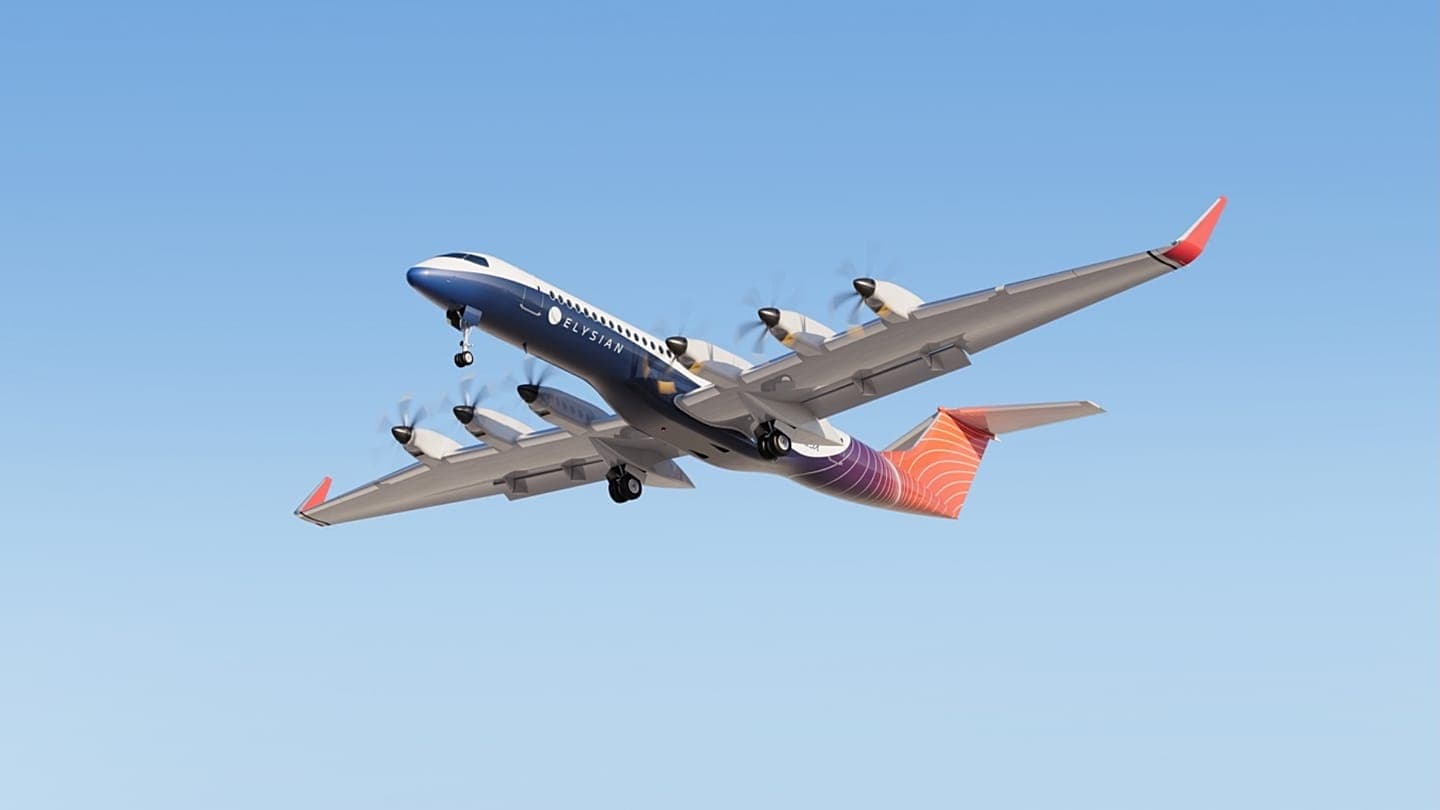
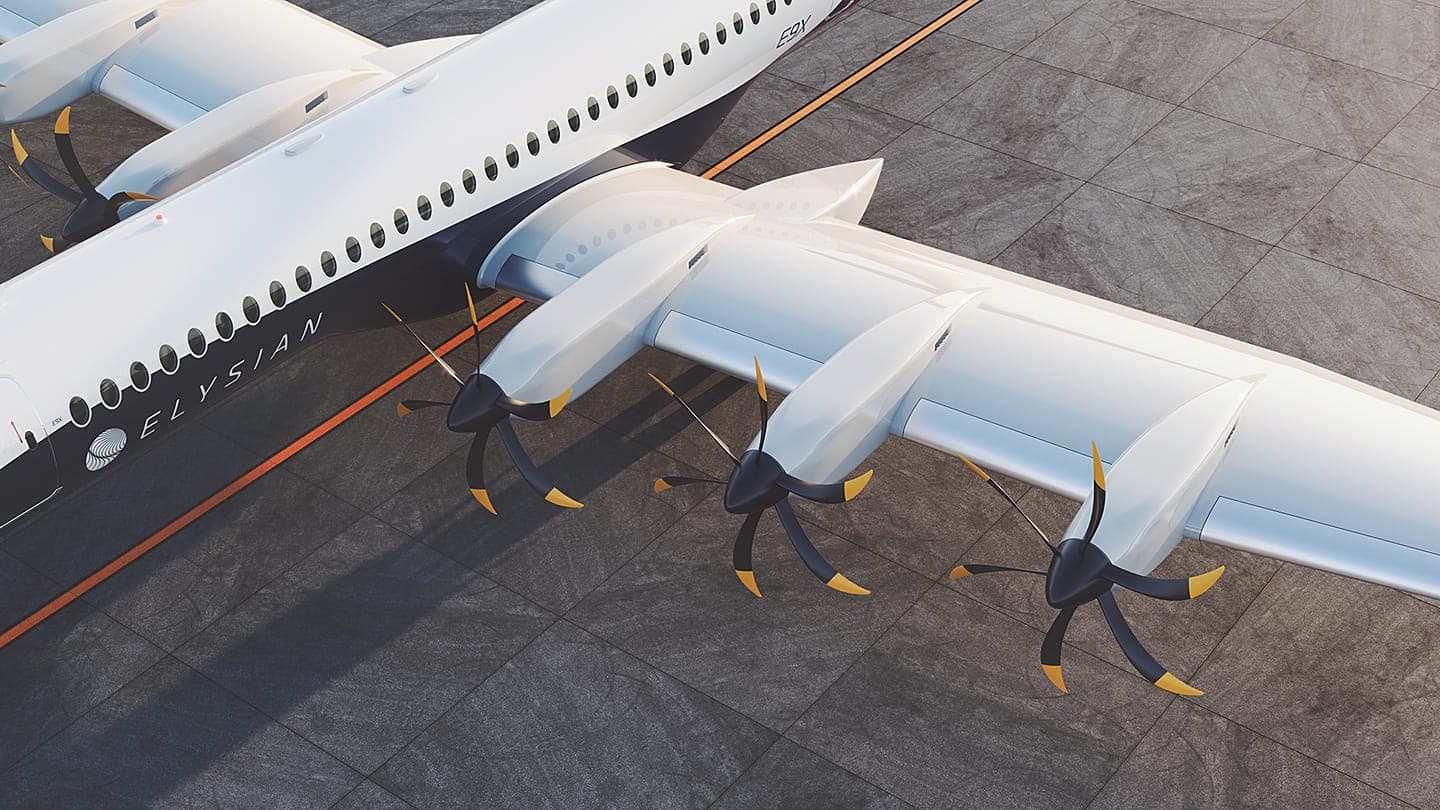
- The startup Elysian Aircraft is developing a battery-powered aircraft: 90 passengers, a range of first 800 and then 1,000 km, six engines and folding wingtips
- The start-up Elysian Aircraft is developing a battery-powered aircraft: 90 passengers, a range of first 800 and then 1,000 km, six engines and folding wingtips
- According to Maarten Steinbuch's forecast, five-seat electric aircraft with a range of 500 km will appear around 2032, nine- to twenty-seat ones by 2035, and 80–90-seat ones closer to 2040
- Steinbuch criticises the European Commission for 'evolution instead of revolution' and calls for faster certification and legislative enshrinement of fleet electrification
- Steinbuch criticises the European Commission for “evolution instead of revolution” and calls for faster certification and for enshrining the electrification of the aviation fleet in legislation
A Dutch startup is building one of the world's first battery-powered passenger aircraft
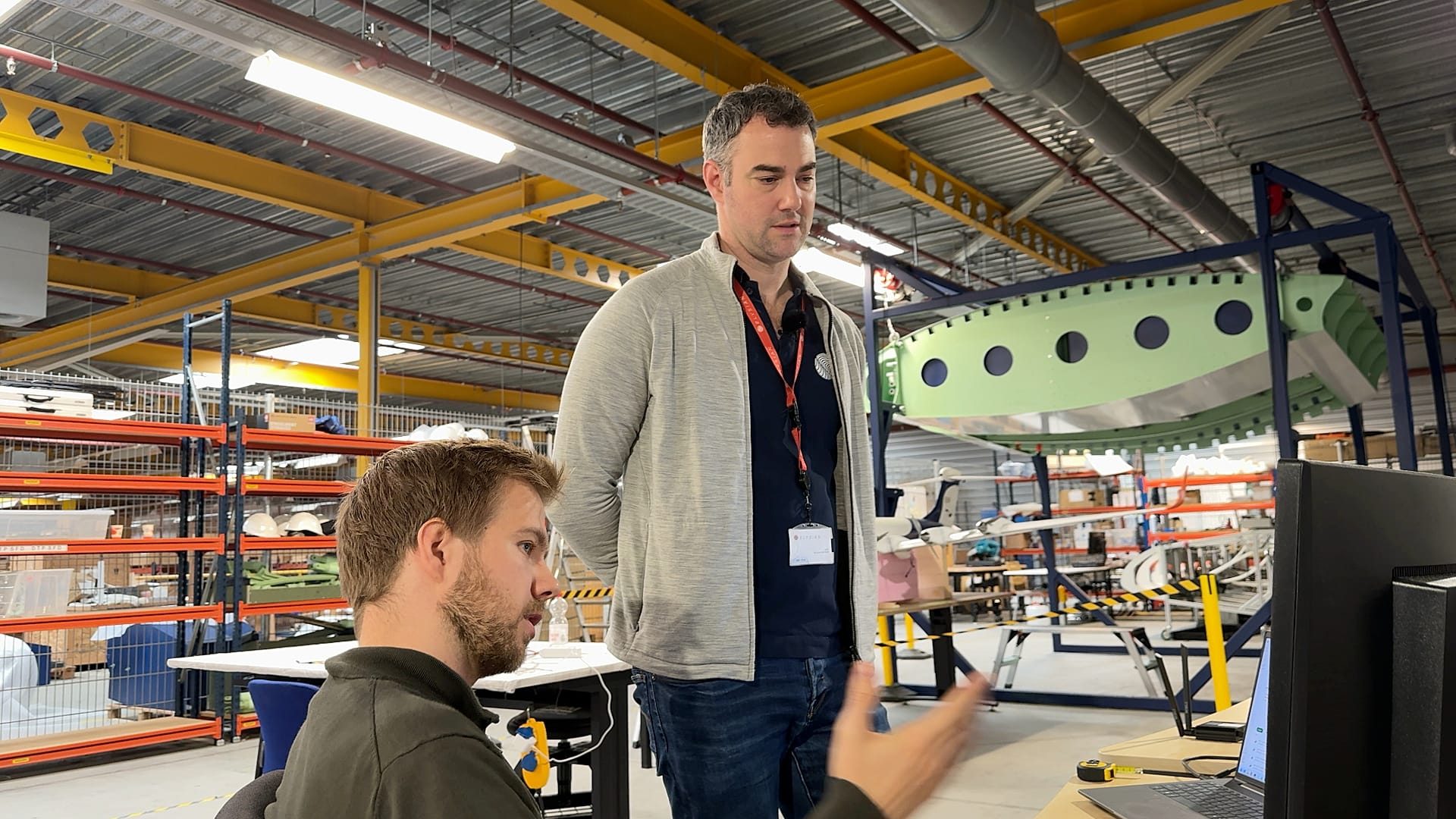
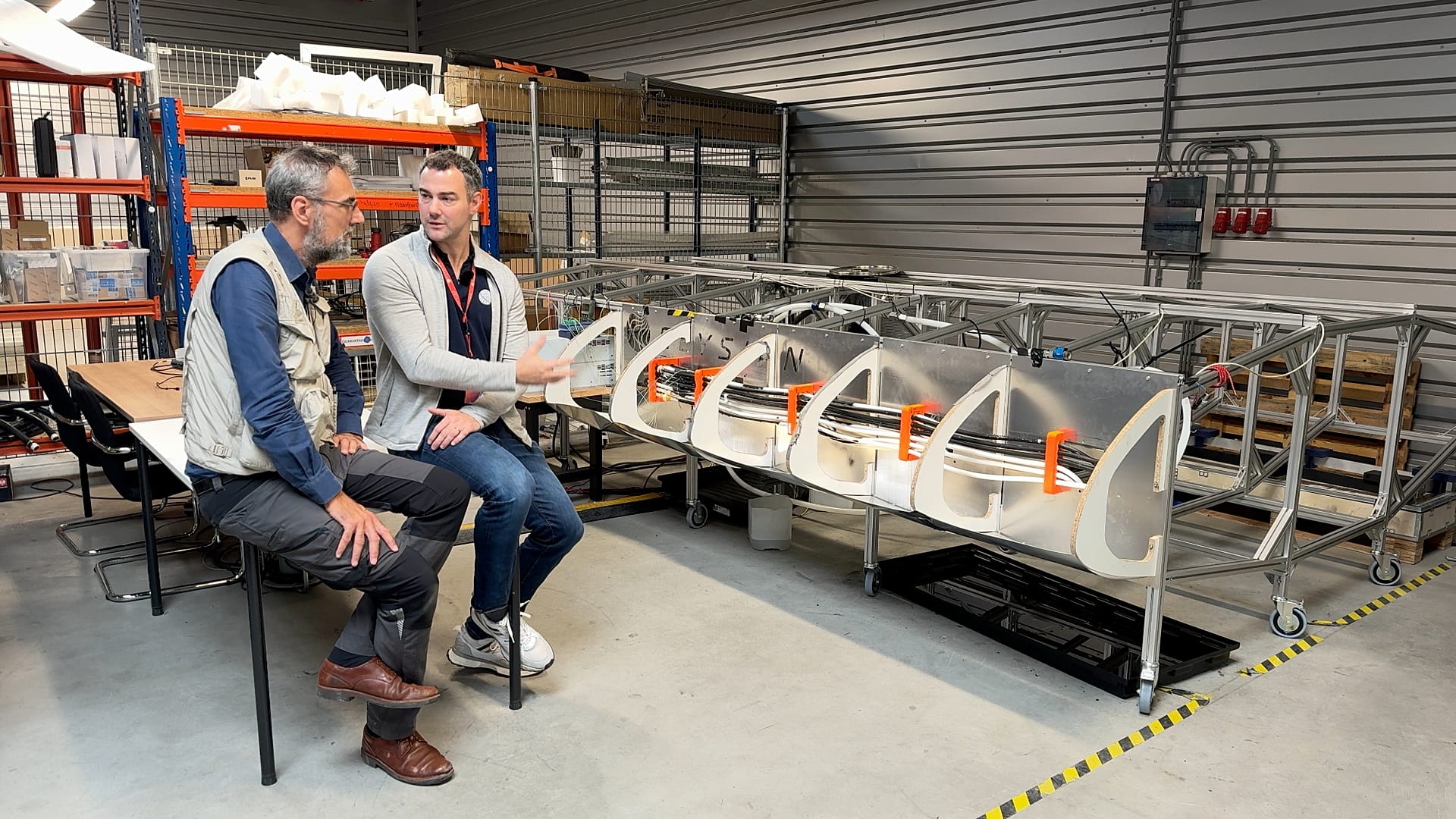
The Netherlands is advancing electric aviation faster than most European countries. One of the world's first battery-powered passenger aircraft is being developed by the Dutch startup Elysian Aircraft. The company's co-founder Daniel Jacobson told Euronews that the aircraft will have six engines and folding wingtips, so that it can fit into existing airport boarding gate infrastructure despite its very large wingspan. According to him, the wings will be completely filled with batteries.
The potential for emission reductions
Jacobson claims that if it becomes possible to carry 90 passengers first over 800 and then over 1,000 kilometres, emissions could be reduced to zero on half of all flights worldwide, cutting the aviation industry's total emissions by 20 percent. The context of the significance of these efforts is as follows: according to figures cited by the campaign group Stay Grounded, aviation accounts for about six percent of global warming, taking into account not only CO2 but also other emissions, and in wealthy countries its share is far larger. Moreover, as Euronews notes, CO2 emissions from international flights have continued to grow since 2020, despite the ICAO-adopted goal of 'carbon-neutral growth from 2020', which relies on offsetting rather than actual reductions; Climate Action Tracker rates this goal as 'highly insufficient'.
Professor Steinbuch: we need a revolution, not an evolution
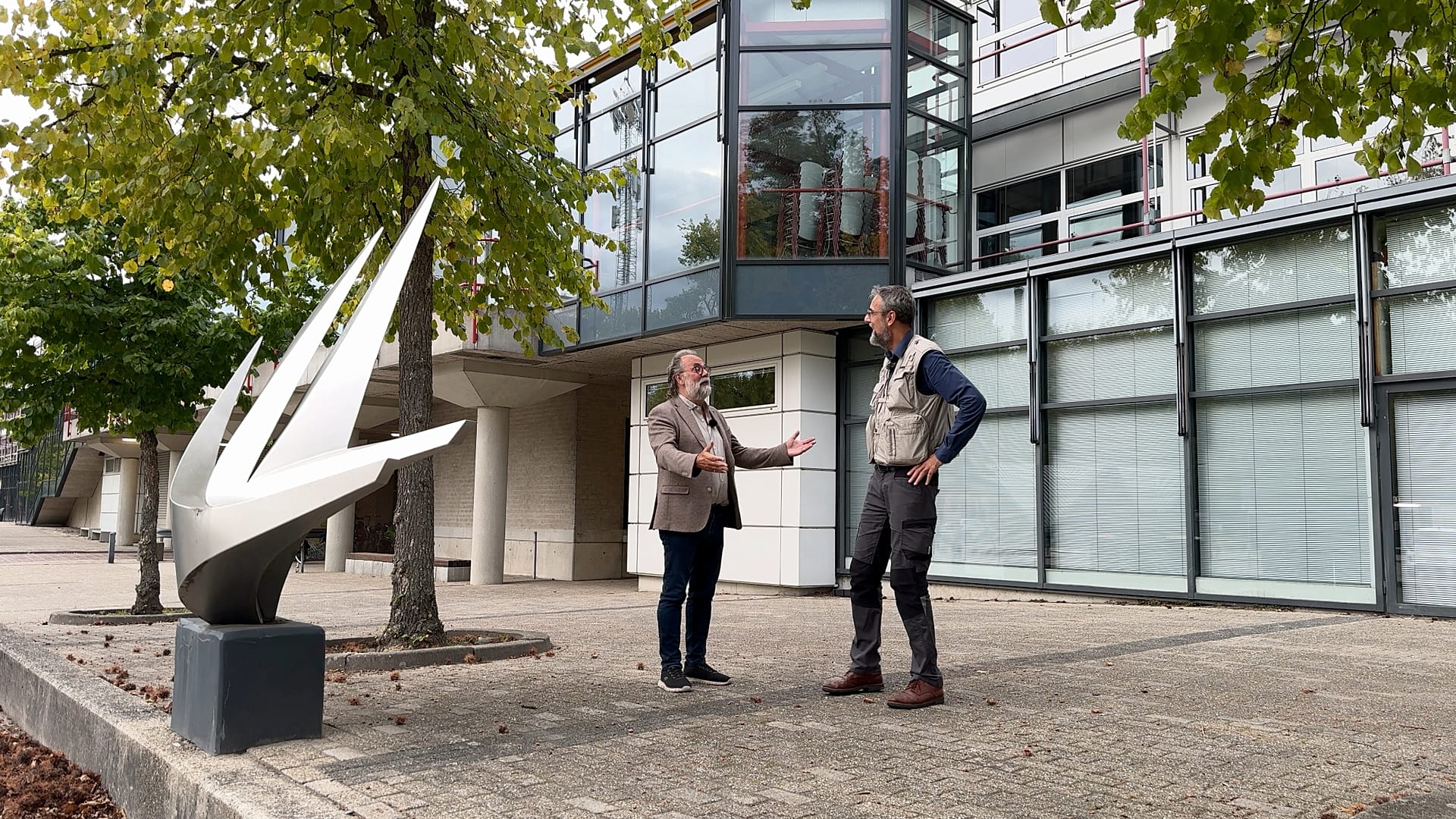
Maarten Steinbuch, a renowned professor of mechanical engineering at Eindhoven University of Technology, told Euronews that the European Commission is focused on making 'current aviation' as sustainable as possible, but should instead stimulate the transition to zero-emission aircraft. 'So far, not enough attention is being paid to bringing about a revolution in the electrification of airspace. It is more of an evolution than a revolution,' he said. In his view, laws are needed requiring that a share of the aircraft fleet be electrified by a certain year — by analogy with the automotive industry, where, as Steinbuch notes, strict deadlines for the number of electric models did indeed help. He also called on the European Commission to speed up the certification of new aircraft models: safety remains the 'first, second and third' priority, but faster processes would make it possible to scale infrastructure, manufacturing and startups.
Timelines and the role of batteries
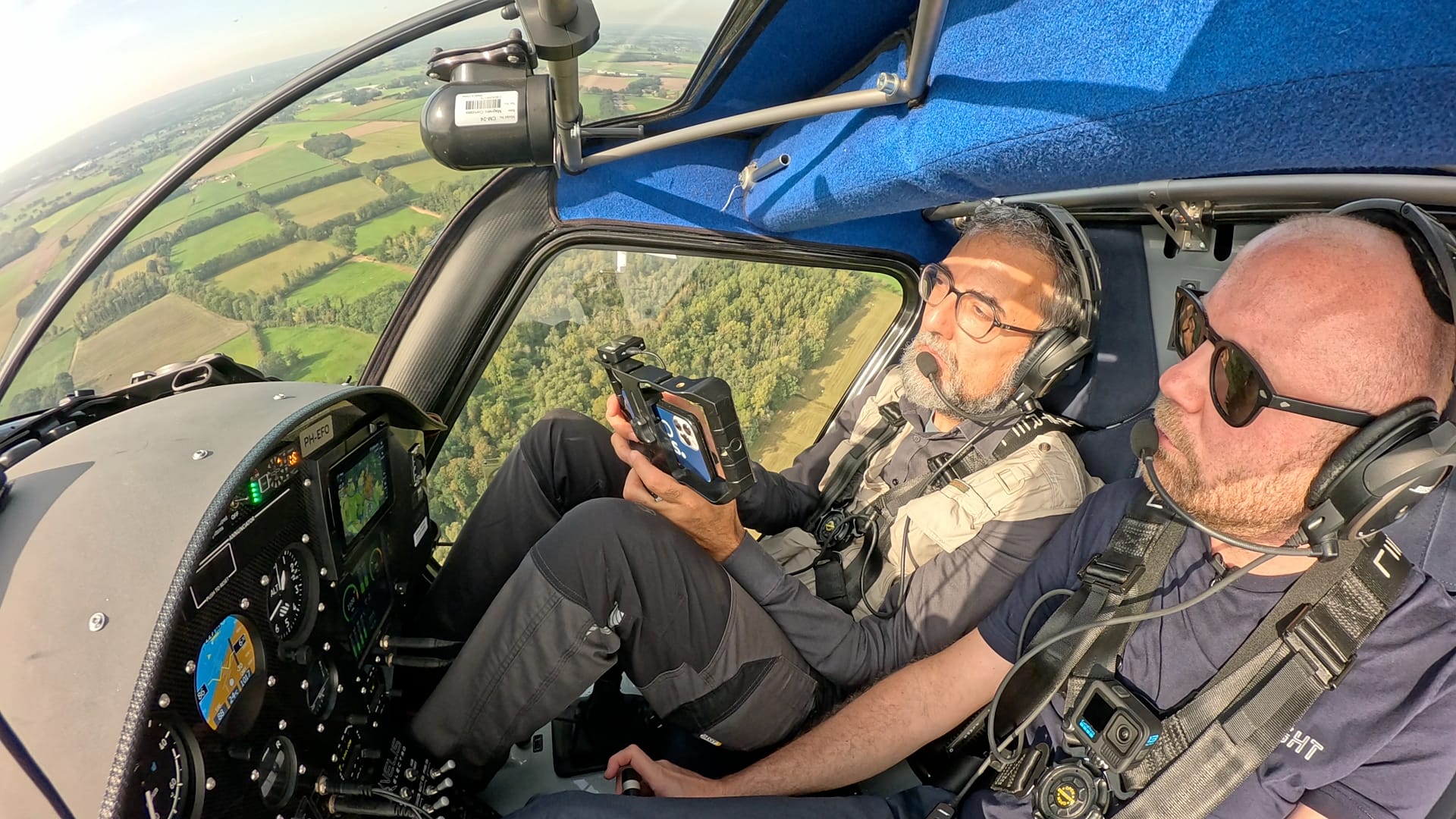
Steinbuch calls batteries the key element of this development: 'Batteries are the Holy Grail of the transition, both in transport and in energy.' According to him, if solid-state batteries with an energy density of up to 500 watt-hours per kilogram — twice the current level — come to market, electric flights will appeal to far more people, and that moment will arrive quite soon. His forecast for the timeline: around 2032 — the first five-seat aircraft with a range of 500 kilometres for cargo and passenger transport; by 2035 — nine- and possibly twenty-seat aircraft with the same range; 80–90-seat airliners will appear closer to 2040, or even later. Meanwhile, startups such as E-Flight Academy are already training pilots to fly electric aircraft.
Why it matters
This development affects all passengers on short and medium-haul routes in Europe: according to the estimates cited in the article, electrifying 90-seat aircraft with a range of up to 1,000 km could eliminate emissions on half of the world's flights. Practical change depends on the regulator: how quickly these forecasts materialise into airport schedules depends on the European Commission's decisions on certification and on possible legislation to electrify the aircraft fleet, which Steinbuch is pushing for. For now, as the article emphasises, these are a researcher's forecasts and a startup's plans, not confirmed dates for the start of operations.