The key facts
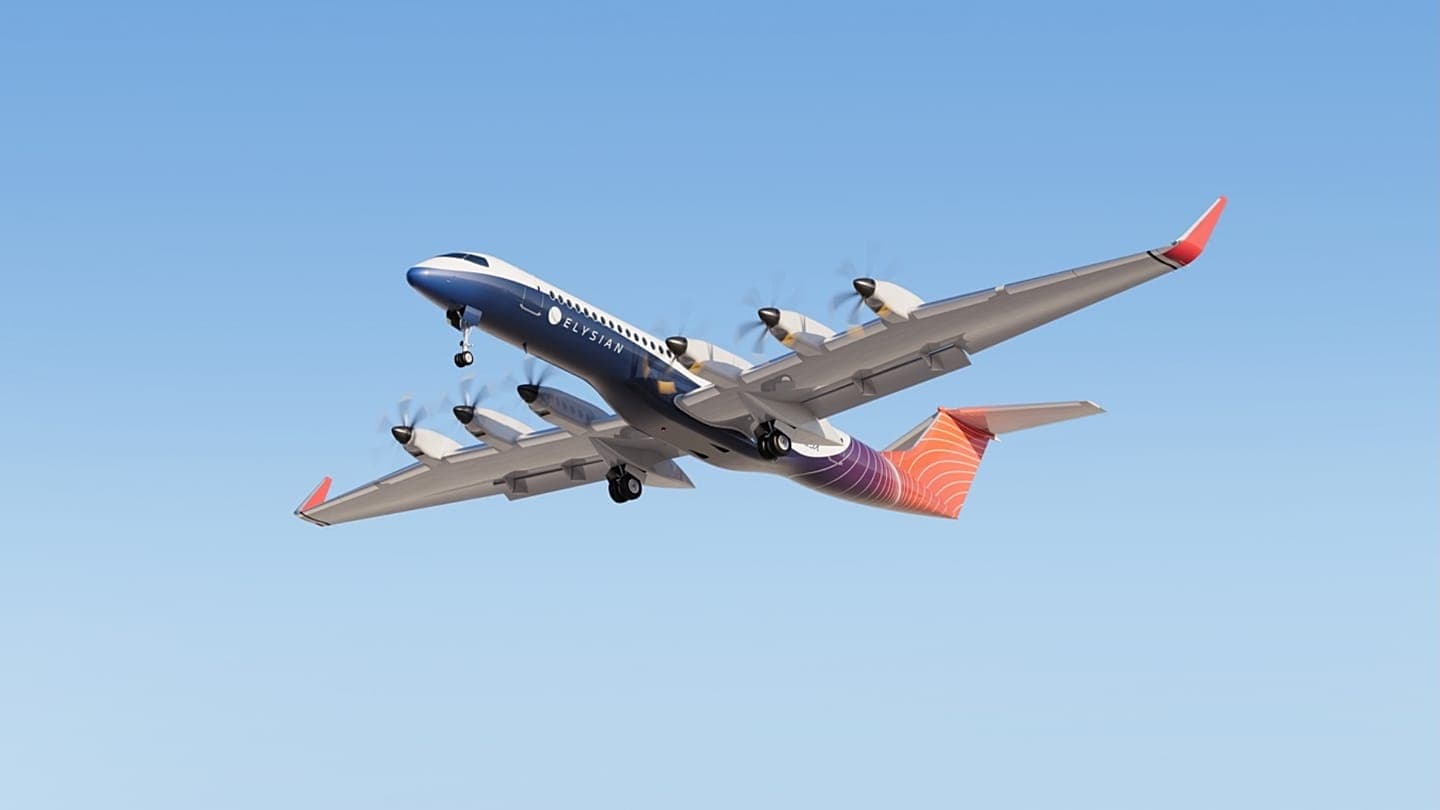
- Elysian Aircraft has begun flight tests of a large-scale E9X demonstrator; the design features six engines and a wingspan of more than 50 metres with folding wingtips.
- About 40 battery packs weighing roughly 1000 kg each are built into the wing's load-bearing structure; the company's starting capital was €10 million.
- According to co-founder Daniël Jacobson, a 90-passenger aircraft with a range of 800–1000 km could eliminate emissions on roughly half of the world's flights and cut aviation emissions by 20%; entry into service is set for 2034.
First flights of the E9X demonstrator
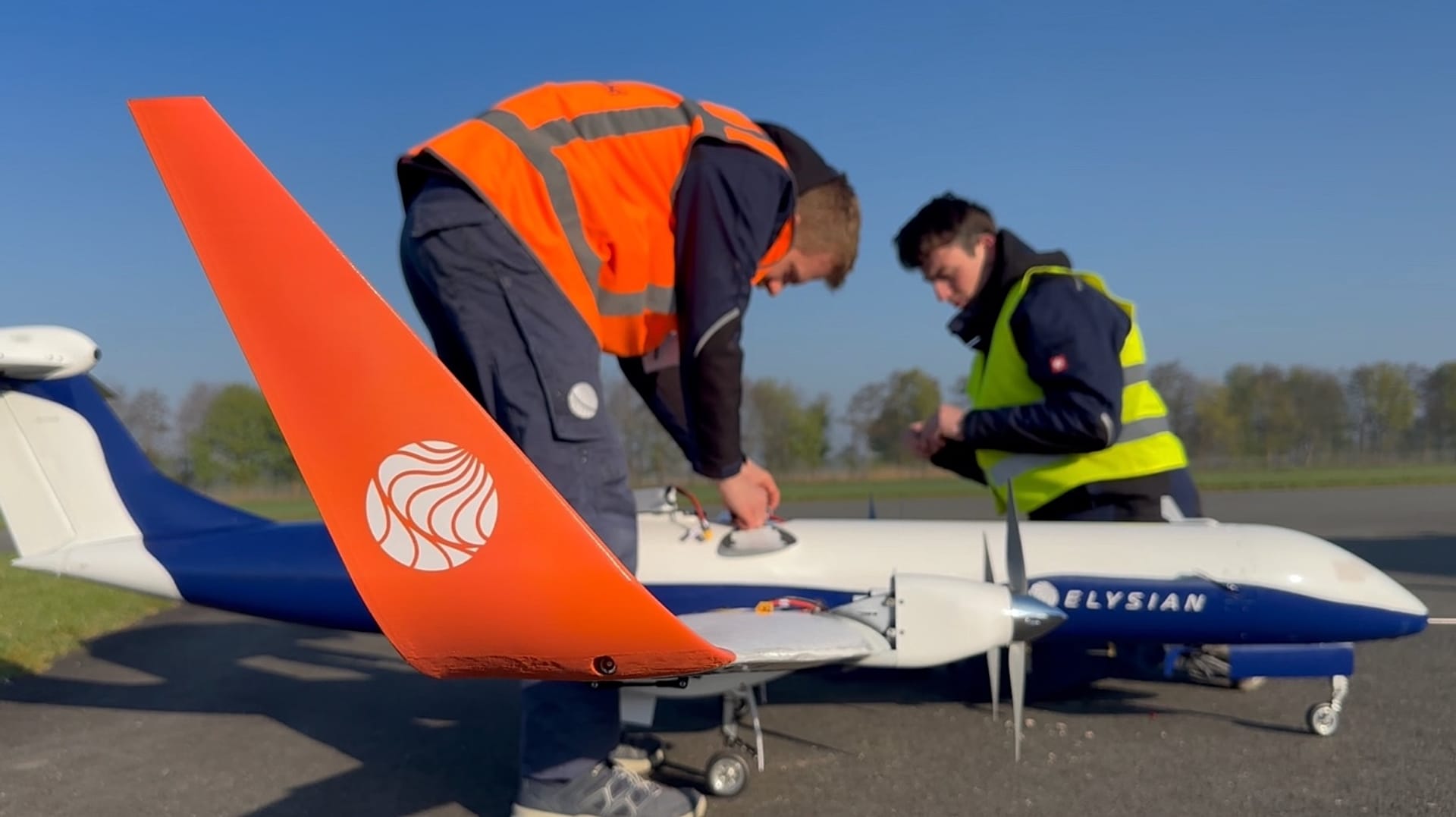
Pilots have completed the first test flights of the large-scale E9X demonstrator — according to Euronews, a world premiere. After landing, flight data is analysed in the Elysian Aircraft laboratory near Amsterdam's Schiphol airport. The Dutch startup aims to create one of the world's first large passenger aircraft powered by battery-electric propulsion; the company's starting capital was €10 million. Context, according to the founders: over the next two decades the number of air passengers worldwide could double, creating additional strain on the climate.
Design: wings packed with batteries
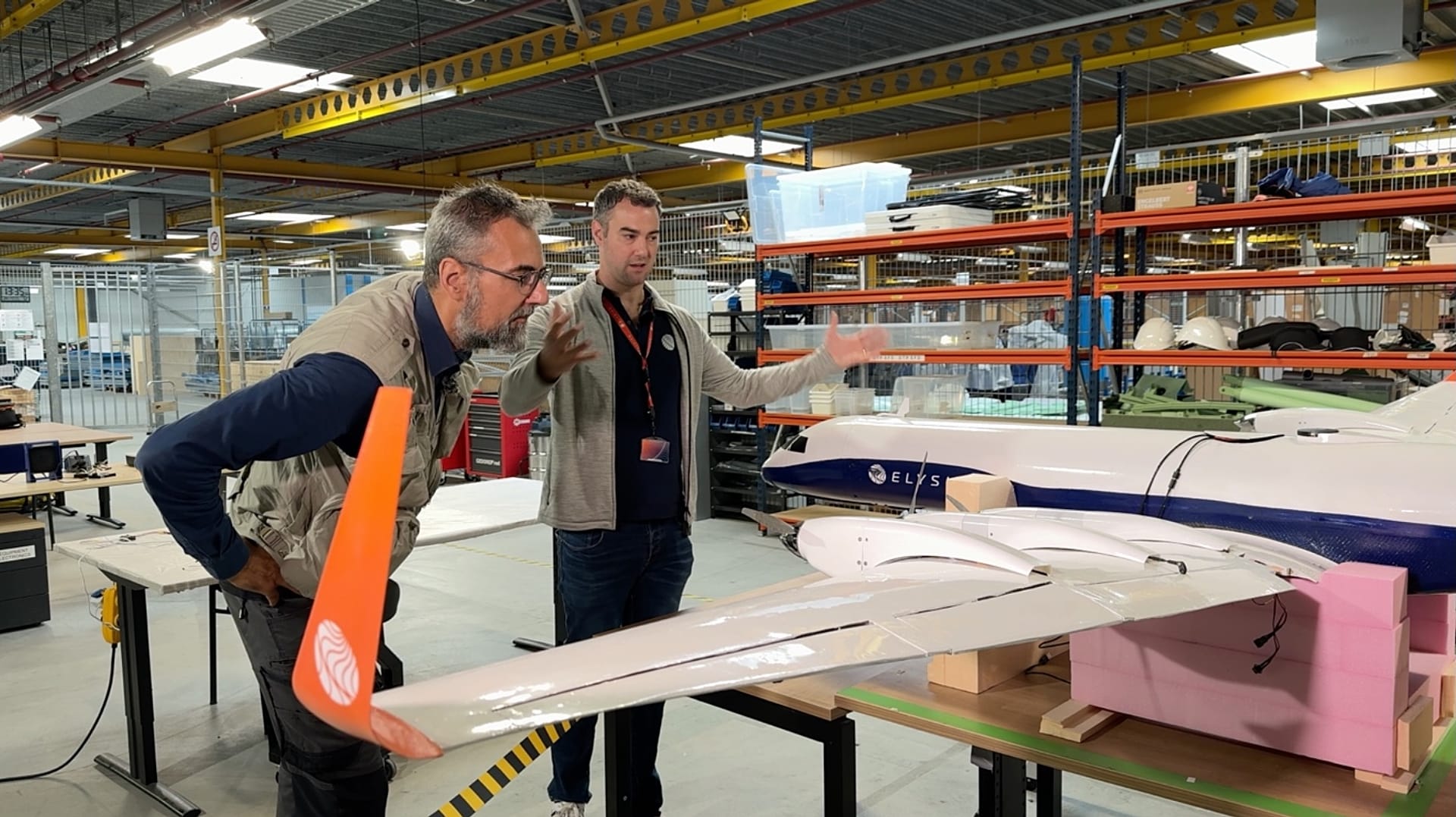
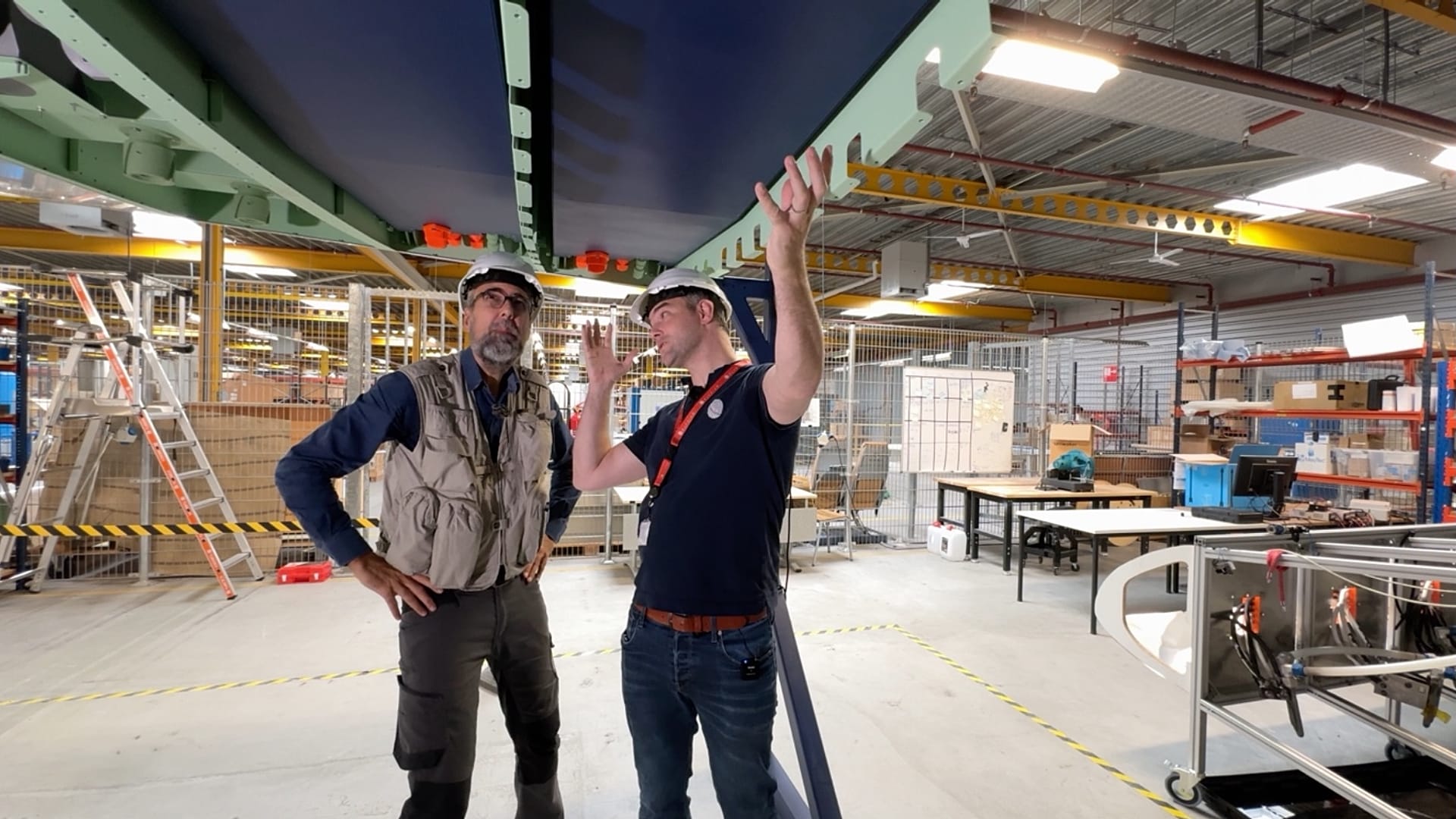
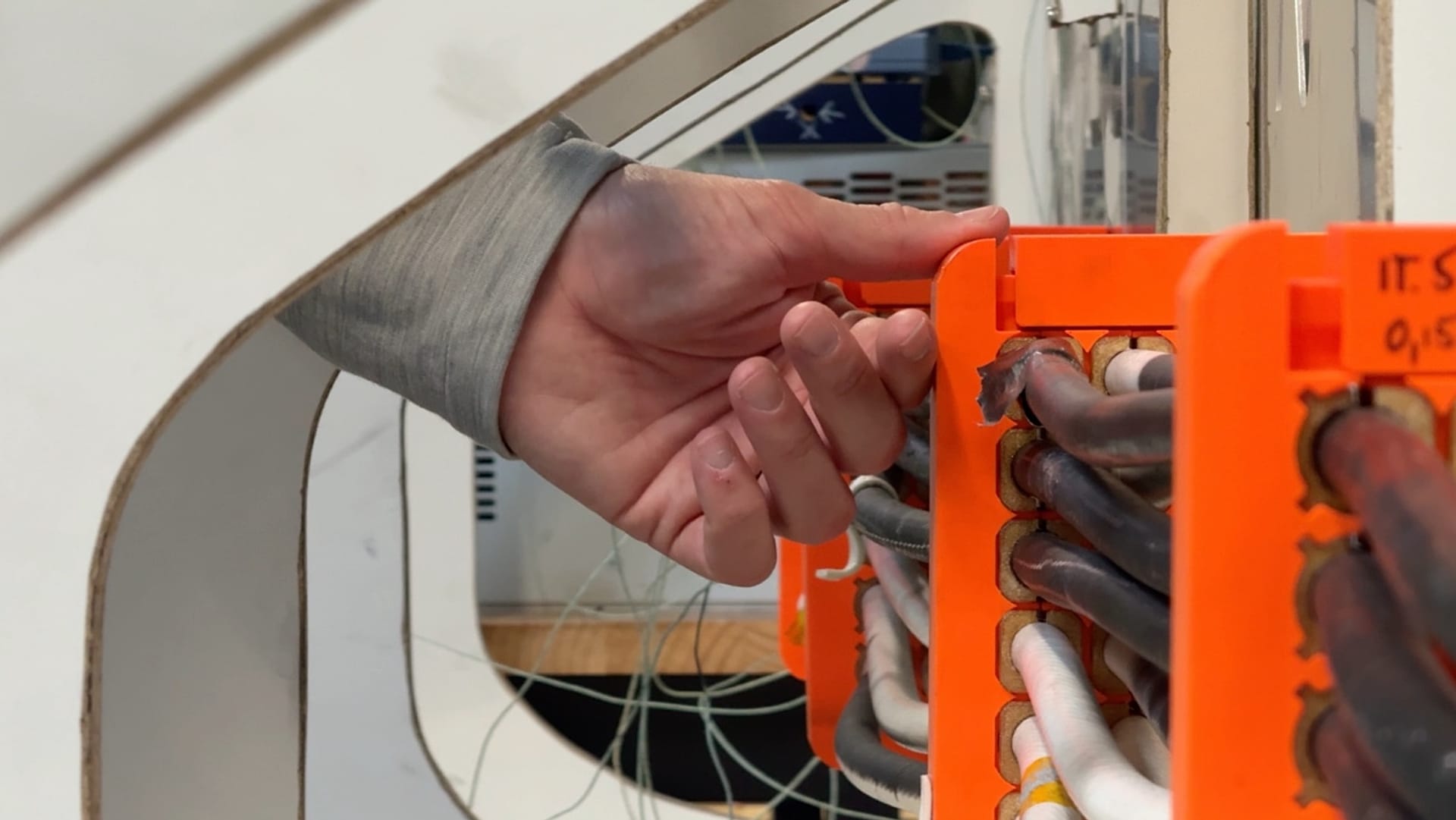
Elysian Aircraft co-founder Daniël Jacobson told Euronews that the design is broadly settled: the aircraft will have six engines, and the wingspan will exceed 50 metres — the wingtips will fold so the aircraft fits existing airport apron infrastructure. The key idea is battery packs built directly into the wing's load-bearing structure: there are about 40 of them along the span, each weighing roughly 1000 kilograms. Jacobson admitted that the aircraft turns out to be 'overweight', but the team is working on reducing mass — selecting materials and thermal management systems; details are kept secret as intellectual property. According to him, a long-standing consensus existed in academia and the industry that flights of a large electric aircraft were impossible, and, he claims, Elysian's research has refuted that thesis.
Expected impact and timeline
Jacobson assessed the potential as follows: if the aircraft can carry 90 passengers first over 800 and then over 1000 kilometres, emissions could be eliminated on roughly half of all flights worldwide and total aviation emissions reduced by 20%. The E9X's entry into commercial service is scheduled for 2034. Jacobson believes Europe looks good in the race for the future of aviation, but urges EU authorities to fund startups and innovations more aggressively so as not to fall behind the US and China.
Electric aviation is already flying
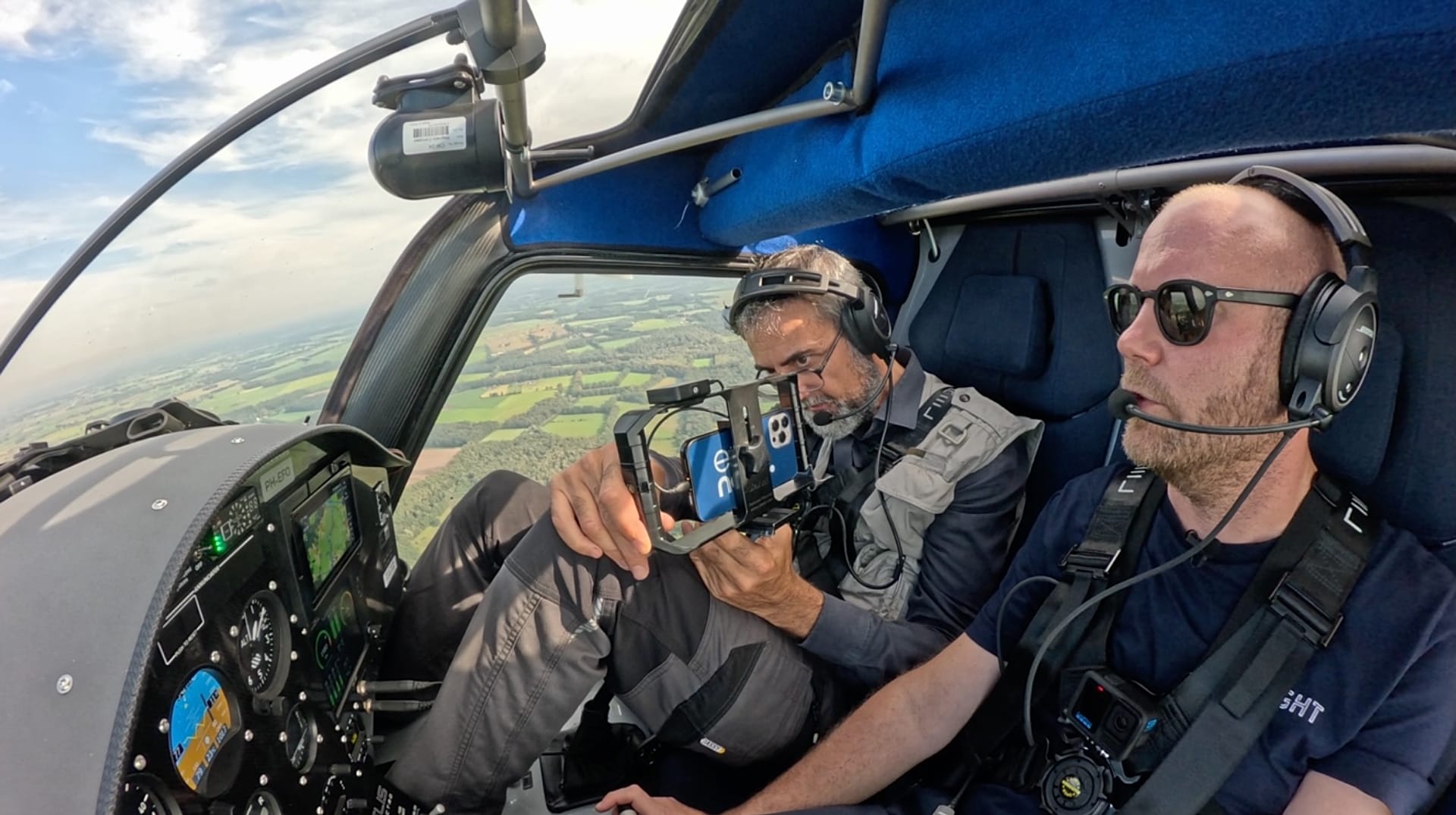
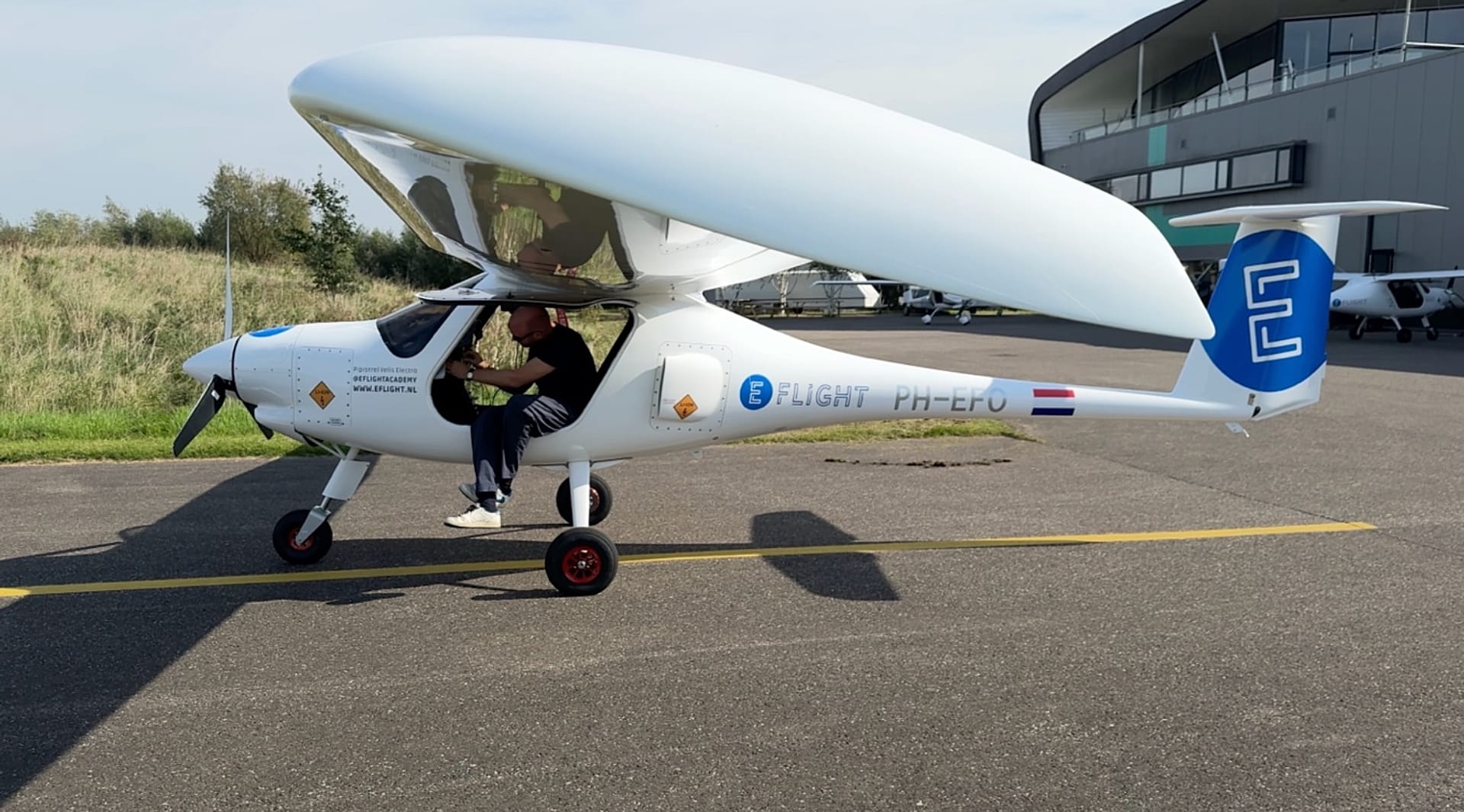
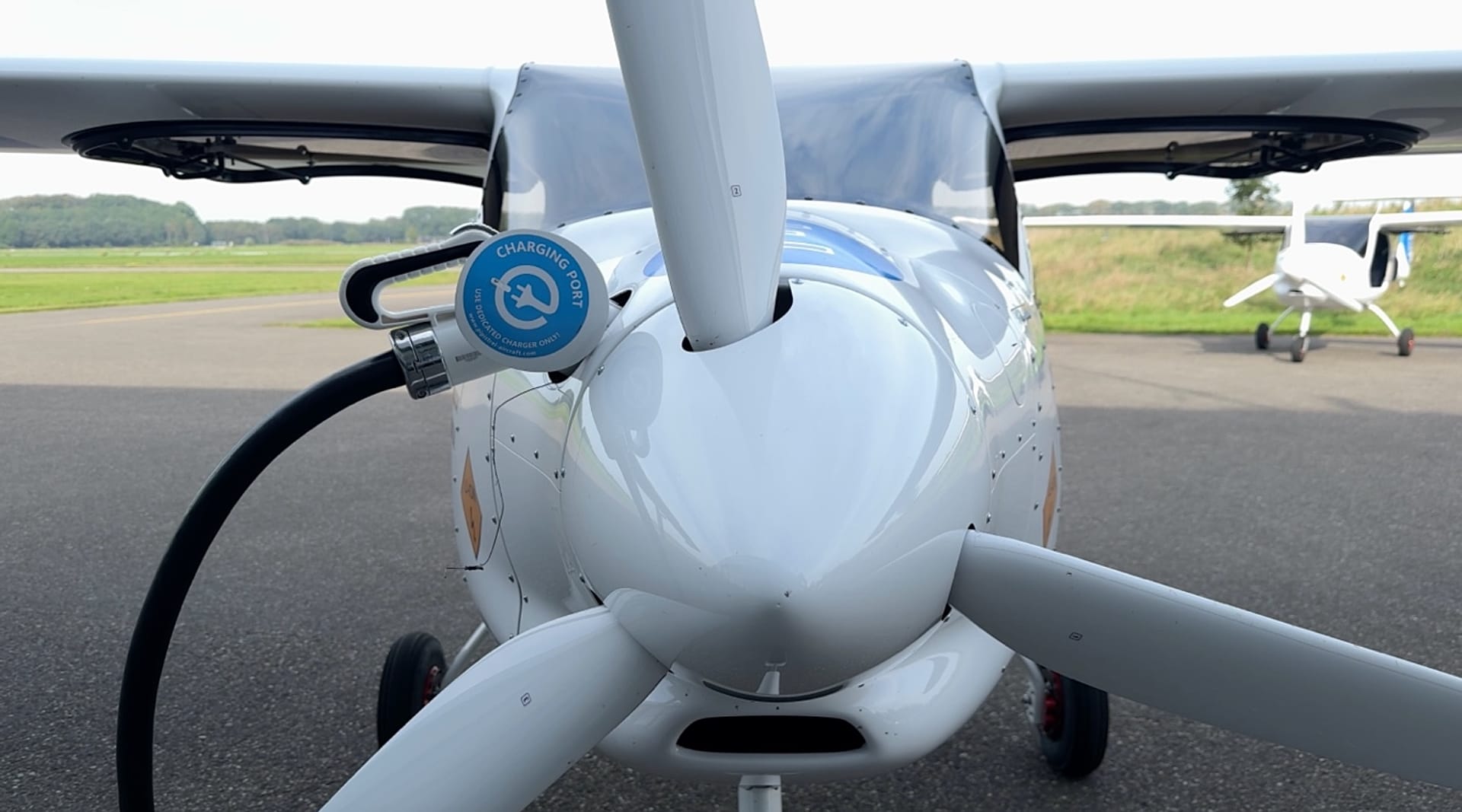
At the small regional Teuge airport in the Netherlands, electric flight is already a reality: the E-Flight Academy flight school trains pilots of several airlines at low altitudes. The school's co-founder, Merlijn van Vliet, showed Euronews a two-seat aircraft with two 11-kilowatt-hour batteries (22 kWh on board): this is enough for 45–50 minutes of flight plus a ten-minute reserve. According to him, the aircraft are almost silent — they cannot be heard on the ground. The school's electric aircraft have already logged nearly half a million miles. Van Vliet expects that in ten years the industry will grow significantly, and aircraft carrying 40, 60 or more passengers will fly on electric power.
Charging infrastructure
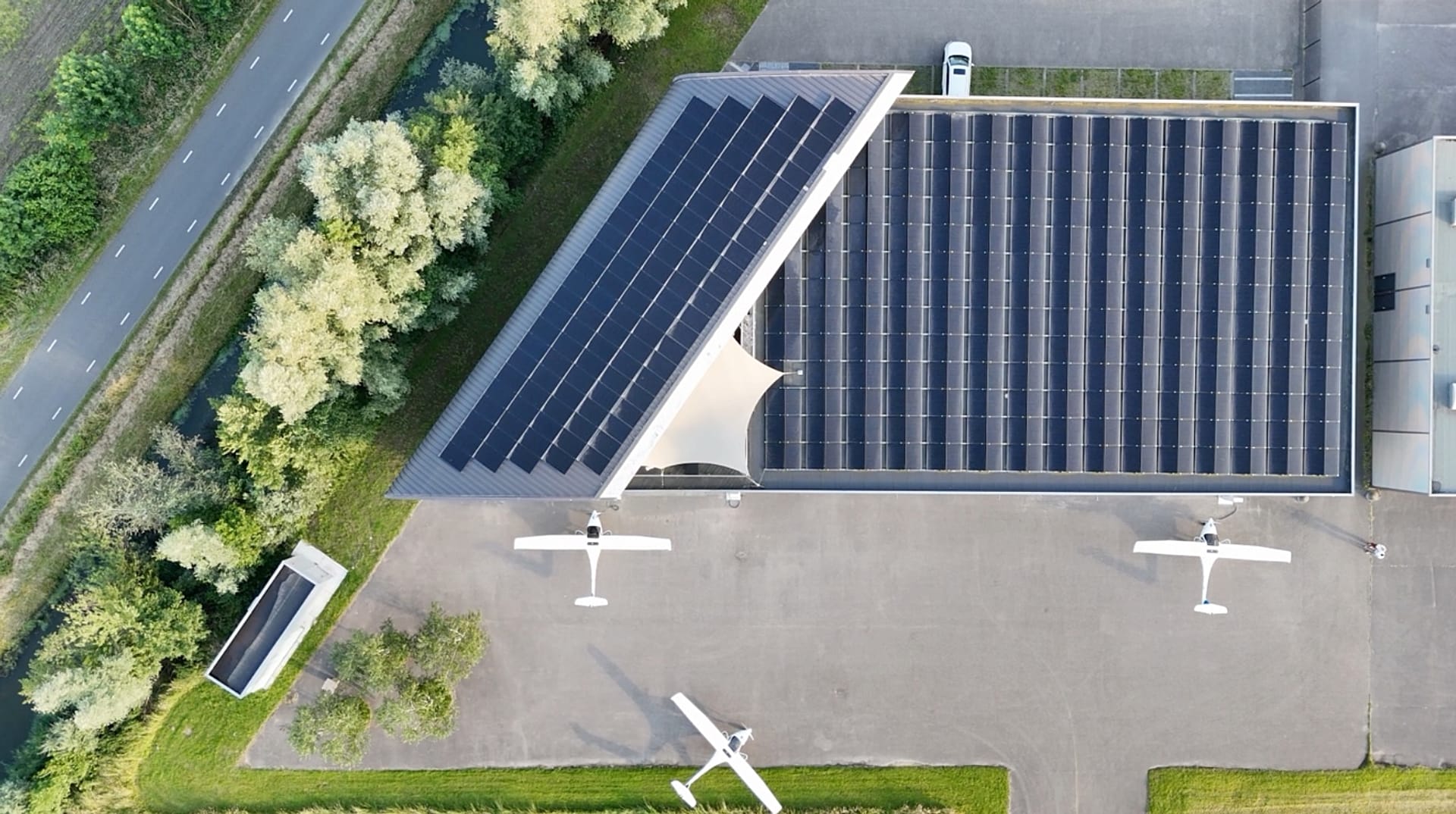
Jurjen de Jong, who made his money on electric-car charging stations, is investing his profits in NRG2fly, a company building a Europe-wide charging infrastructure for electric aircraft. He said the network will expand from the Netherlands to the Nordic countries, France, Germany and Switzerland — with the goal of creating 'a full-fledged network of low-carbon, low-noise electric mobility'. Teuge airport is testing a scaled version of the 'energy internet' concept: 500 solar panels on the roof charge a battery, and the hub does not draw energy from the grid but supplies it to the grid. De Jong added that he dreams of all regional electric aircraft being powered by solar energy.