The key facts
- Proposition 40 provides for a one-time 5% tax on the wealth of California's billionaires, aiming to raise $100 billion to offset federal cuts to healthcare funding
- Proposition 40 provides for a one-time 5% tax on the wealth of California billionaires, aiming to raise $100 billion to offset federal cuts to healthcare funding
- According to a poll by the Berkeley Institute of Governmental Studies and the Los Angeles Times, 45% of voters support the measure, 42% oppose it, and 13% are undecided
- Several billionaires, including Larry Page and Sergey Brin, left the state before January 1, 2026, to avoid the tax
- Several billionaires, including Larry Page and Sergey Brin, left the state before January 1, 2026 to avoid the tax
What Californians are voting on
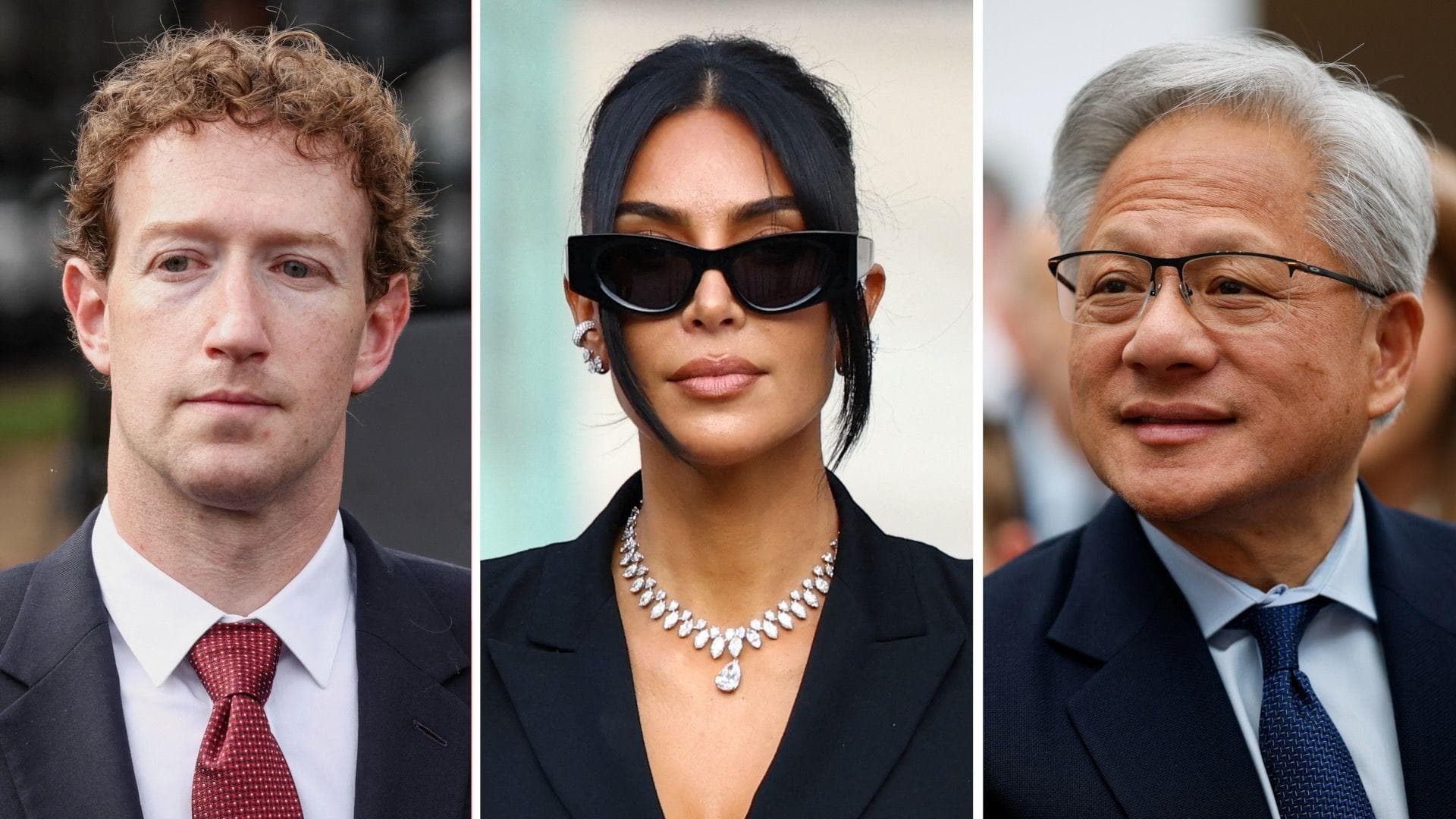
In the midterm elections on November 3, residents of California will decide the fate of Proposition 40 — a measure that provides for a one-time 5% tax on the net worth of all billionaires in the state, of whom there are just over 200. Among those affected are named Oprah Winfrey, Meta CEO Mark Zuckerberg, Skims co-founder Kim Kardashian and film director George Lucas. The funds raised — about $100 billion (£75 billion) — are intended to offset cuts in federal funding of the state's healthcare system, caused, according to Suzanne Jimenez, chief of staff of the union Service Employees International Union-United Healthcare Workers West, by «sweeping federal cuts» under President Donald Trump's tax-and-spending law. She called the measure a «short-term solution» while a long-term funding mechanism is sought.
A historic measure against a backdrop of inequality
Francesco Trebbi, professor of public policy at the University of California, Berkeley, believes this is «the first tax on billionaires» — a wealth tax targeting an extremely narrow top segment of the wealth distribution. California has the largest economy in the US and the fourth largest in the world, yet it has the country's highest share of homeless people and one of the widest income gaps. According to a Public Policy Institute of California survey, 72% of residents believe the gap between rich and poor is growing, and roughly the same share believe the state government should do more to reduce it. Inequality in the US is at its highest levels in more than three decades: in the third quarter of 2025, 1% of households held nearly 32% of the nation's total wealth. Trebbi sees the initiative as a manifestation of «anti-elite, anti-system sentiment» aimed at «restoring the balance a little».
A split among billionaires and an exodus from the state
The measure has sparked sharp disagreements among the state's ultra-wealthy residents. If approved, the tax would apply retroactively to individuals with a net worth of at least $1 billion who were living in California on January 1, 2026. According to reports, at least six billionaires left the state before that deadline, including Google co-founders Larry Page and Sergey Brin, venture investor Peter Thiel, former Uber CEO Travis Kalanick and Hankey Group founder Don Hankey. Hankey, who had lived in California his whole life, told Forbes that he moved to Nevada because of the proposed tax and felt «a bit unwelcome» in the state. Zuckerberg, whose net worth is estimated at more than $200 billion, told Meta's board of directors that he was thinking about relocating his primary residence; to keep him, the company struck a new stock deal, compensating for potential losses — estimated at up to $12.5 billion. DoorDash co-founder Andy Fang called the measure «stupid» and wrote on X that such proposals make it «irresponsible not to plan an exit from the state». At the same time, some billionaires have backed the tax: Nvidia CEO Jensen Huang said in a CBS interview that he is «not against paying taxes», while businessman Tom Steyer, despite criticizing the measure's wording, said he would vote for it to protect vulnerable Californians. Liberal Governor Gavin Newsom has also come out against it, fearing an outflow of wealthy residents and their tax revenues. Sergey Brin, according to the Los Angeles Times, has directed more than $100 million to a political organizationthat funds measures that could block the tax.
The odds and international experience
Support for the measure has not yet reached a clear majority: according to a September poll by the Berkeley Institute of Governmental Studies and the Los Angeles Times, 45% of likely voters support the tax and 42% oppose it, with 13% undecided; a majority of votes is required for adoption. Senator Bernie Sanders has campaigned in support of Prop 40, saying at a rally in Los Angelesthat billionaires 'believe, like 19th-century monarchs, that they have a God-given right to rule.' California is not the first to try a wealth tax: in Washington state, voters are also considering a 'millionaires tax' — 9.9% on income above $1 million a year. In Europe, such taxes survive in only three countries — Spain, Norway and Switzerland, notes Christian Niemietz of the Institute of Economic Affairs, who considers them 'more of a problem than a benefit.' According to Norwegian media, the increase in the wealth tax in 2022 drove more ultra-wealthy people out of the country than the previous 13 years combined, and a study on Switzerland showed that a 0.1 percentage point increase in the tax reduced taxable wealth by 3.5%.
Why it matters
The outcome of the vote will affect not only the roughly 200 billionaires but also healthcare funding for all Californians: if approved, the state will receive about $100 billion to replace cut federal funding, and if rejected, it will face, according to union leaders, the risk of a 'collapse of the healthcare system'. The result will also become the world's first precedent of a direct popular vote on a billionaires' wealth tax and could influence the debate over similar measures in other states, where, as in Washington, comparable initiatives are already being discussed. In practical terms, the vote will determine whether the state keeps taxpayers whose departure has already begun ahead of the set deadline.
 Image source, Reuters
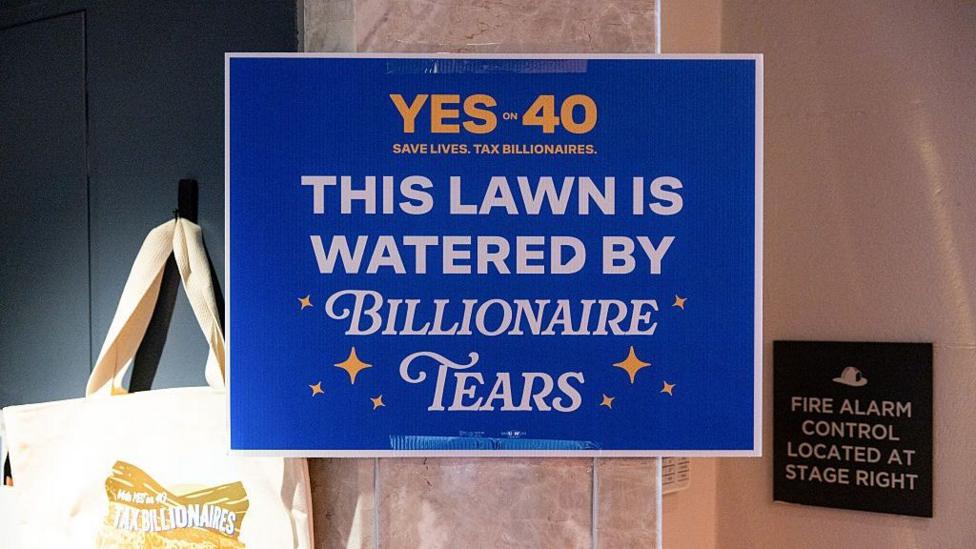 Image source, Getty Images
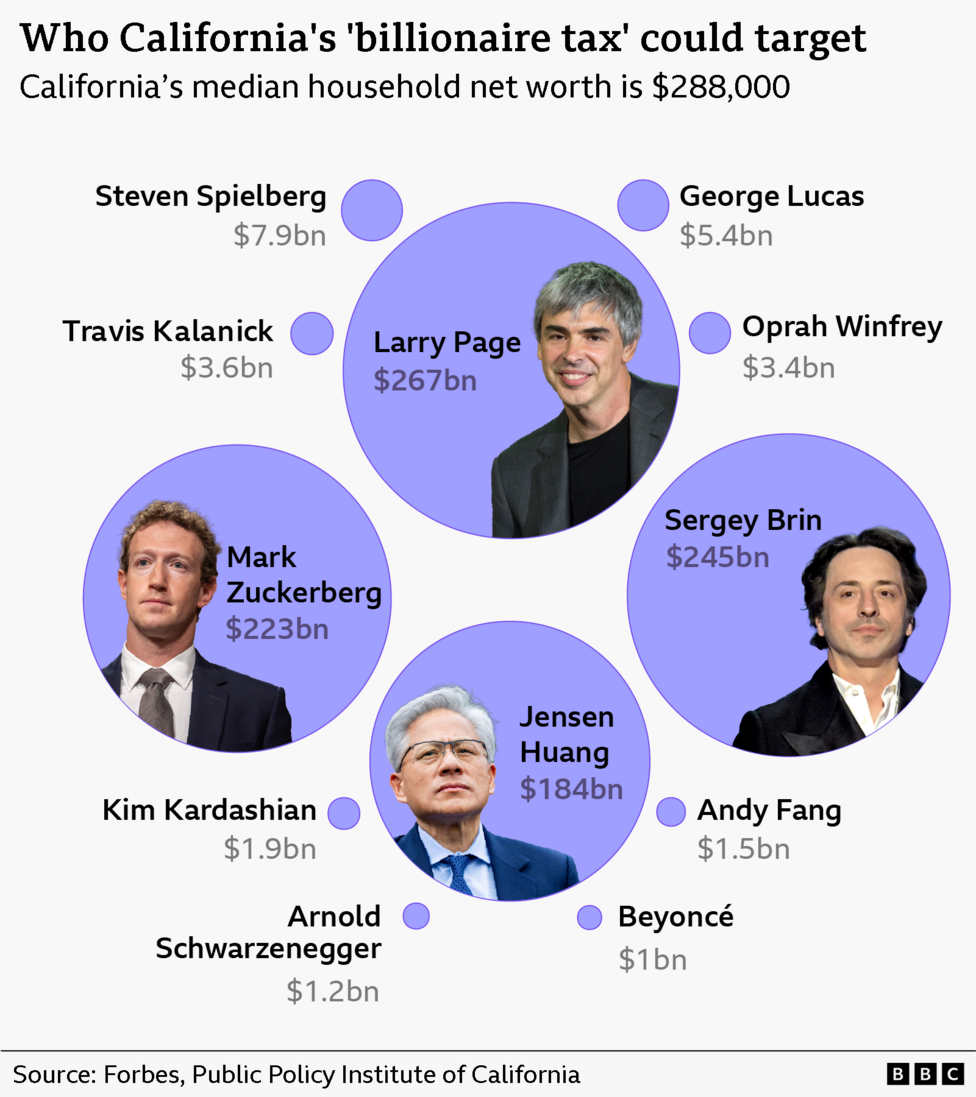

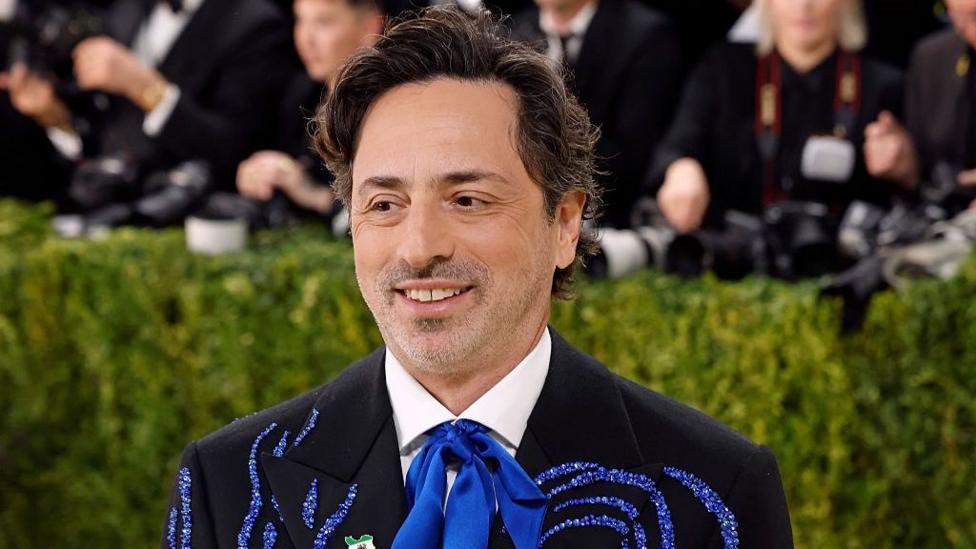 Image source, Getty Images
Google co-founder Sergey Brin has reportedly given more than $100m to a political organisation funding ballot measures that could block the wealth tax
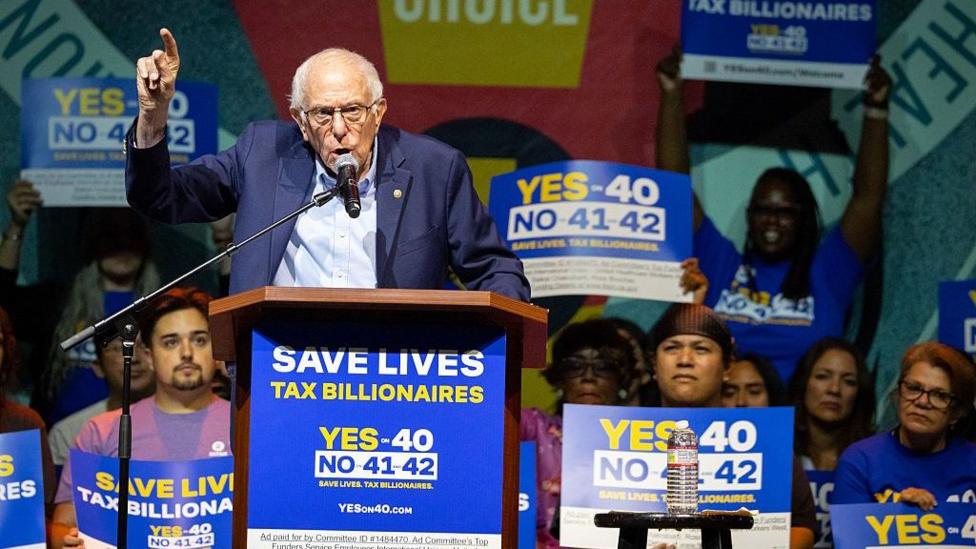 Image source, Getty Images
US Senator Bernie Sanders speaks at the 'Ballots Over Billionaires' rally on 5 October in Los Angeles.