The key facts
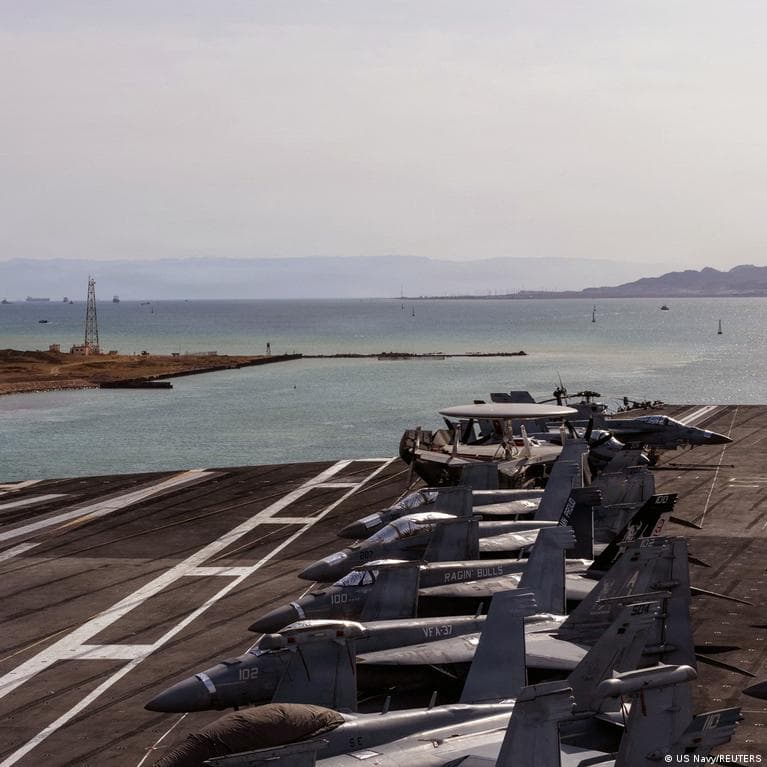
- Two US carrier strike groups are in the region, a third is on the way; Israel conducted a demonstration fighter jet flight near the Iranian border
- The State Department is evacuating employees' families from Saudi Arabia, officially due to the Houthi threat
- NYT: plans for strikes on Iran's energy and nuclear facilities and arsenals after the November 3 midterms; Trump said he would not attack before the election
Military activity heightens alarm in the region
Two American carrier strike groups are in the region, and another is on its way there. Israel, according to Axios, conducted a flight this week of dozens of air force fighter jets in a 'show of force' mode near the Iranian border. These events have heightened concerns that the US and Israel may resume strikes on Iran — possibly before Israel's general election on October 27 or the US midterm elections on November 3.
Evacuation from Saudi Arabia
On Wednesday, the State Department ordered non-emergency employees and their families to leave Saudi Arabia. Some saw this as a sign of an impending attack on Iran. State Department spokesman Tommy Pigott said the order concerns only Saudi Arabia and is linked to the threat from Yemen's Houthis, who have attacked Saudi airports and other facilities. However, another department official noted that 'combat operations can escalate quickly, including beyond this area.'
Reports of strike plans
Drop Site News, citing senior Iranian officials and an American official, reported that Washington and Tel Aviv believe large-scale bombing could begin before the Israeli election. An unnamed senior Iranian official said Tehran's intelligence assesses the probability of an attack before October 27 as high, with Israel possibly first striking Iranian air defenses to clear the way for American bombers. The New York Times, citing American officials, reported on Wednesday that the US and Israeli militaries have developed plans for new strikes after the midterm elections: on Iran's energy and nuclear facilities, as well as missile and drone arsenals, with the aim of forcing Tehran into diplomatic concessions. According to the NYT, a strike before the election is not entirely ruled out, but Trump may ultimately refrain from military action.
Positions and statements
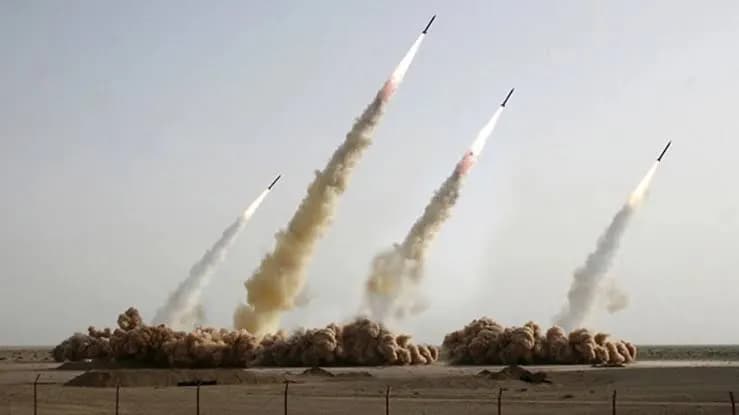
US President Donald Trump said on October 8 that he would not resume attacks on Iran before the midterm elections. At the same time, at the UN General Assembly last month he said he was deciding whether to 'destroy Iran,' and in a Newsmax interview on October 15 he spoke about the 'Mother of All Bombs' — the Pentagon's largest non-nuclear munition — without specifying whether he would use it. Secretary of Iran's Supreme National Security Council Mohsen Rezaei has repeatedly stated that if hostilities resume, Iran could continue missile and drone attacks on American facilities in the region, and also expand its targets to include data centers, artificial intelligence facilities and undersea cables.
Expert assessments
Alex Vatanka, director of the Iran program at the Middle East Institute in Washington, believes Iranian officials view a new conflict as a real possibility, and electoral politics — especially in Israel — may influence decisions on escalation: 'Not so much the logic of war as the logic of politics may be in the driver's seat.' At the same time, he believes a strike before the election is unlikely: any new round of hostilities would be even more devastating for the region, and the region's suffering would also hit American interests, to which Trump may be sensitive.
Context of the conflict
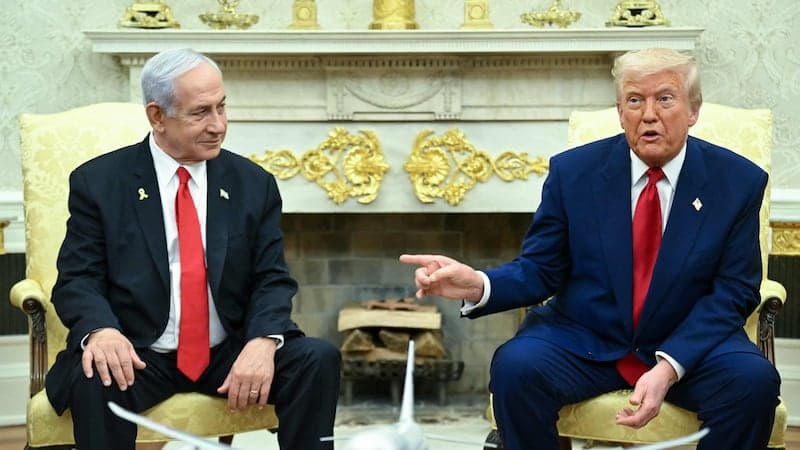
Trump and Israeli Prime Minister Benjamin Netanyahu began the conflict with Iran on February 28. The US administration initially expected the war to last several weeks, but failed to overthrow the regime in Tehran, conclude a durable deal, or completely defeat Iran militarily. Vatanka warns that if the war resumes, Iran threatens retaliatory strikes against Israel, the Persian Gulf states and American interests.