The key facts
- inDrive, Pony.ai and Nvidia signed a memorandum on robotaxi tests in Astana in the first half of 2027
- Pony.ai will supply Gen-7 robotaxis, Nvidia — the Hyperion platform and the Halos safety system
- inDrive has a separate agreement with Saudi AI Driver for WeRide in Riyadh; the pilot's status is unclear
Memorandum on tests in Astana
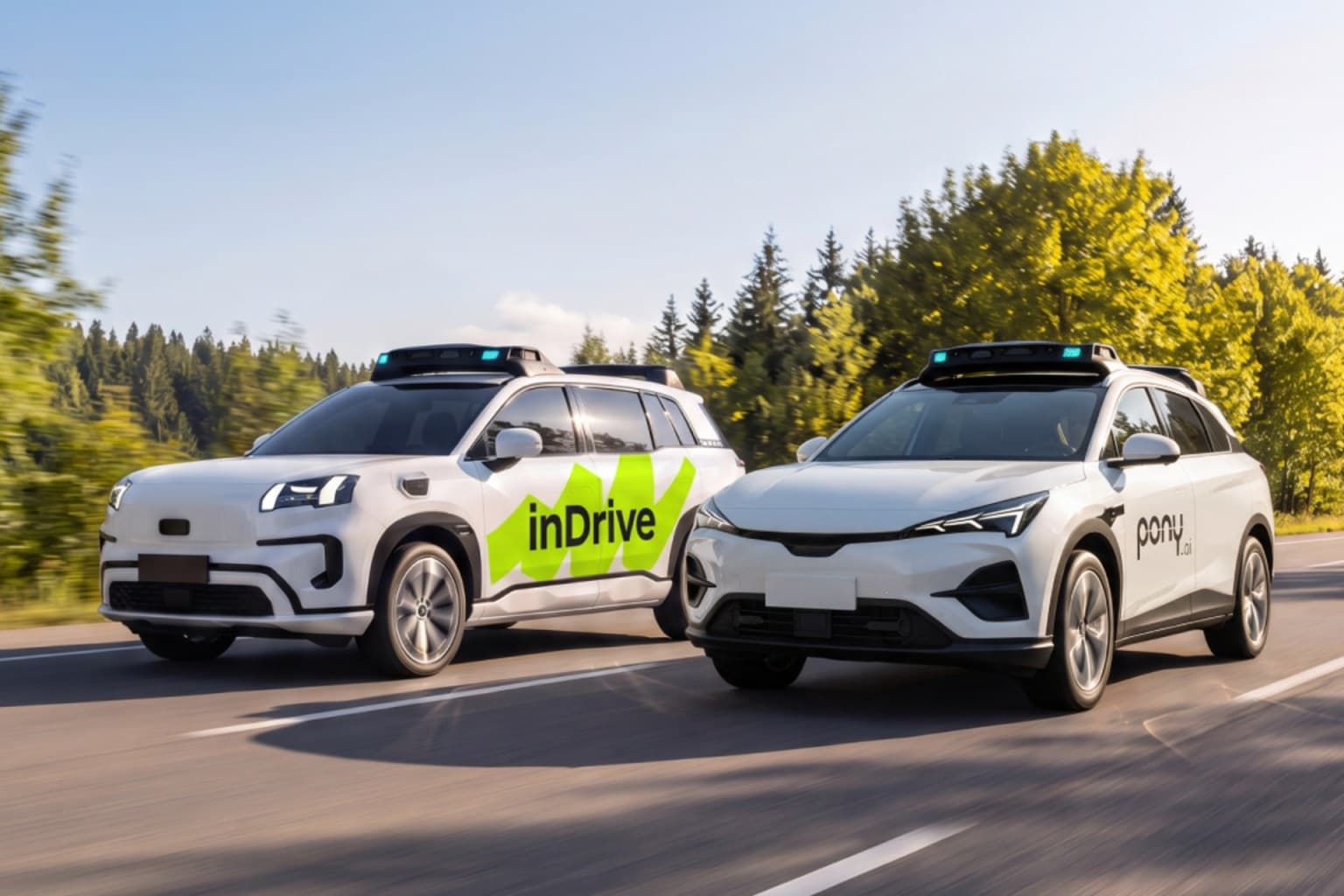
Taxi service inDrive, known for allowing passengers and drivers to negotiate the fare, has signed a memorandum of understanding with Chinese autonomous driving developer Pony.ai and Nvidia. The goal is to begin testing robotaxis in Kazakhstan in 2027. As inDrive's chief technology officer Yuri Misnik told TechCrunch, the tests will begin in the country's capital Astana in the first half of 2027. At first, the cars will have a safety operator on board, while fully driverless rides are the ultimate goal.
Division of roles
Under the proposed plan, Pony.ai will provide its Gen-7 generation robotaxis, which inDrive will offer through its app and operate in Kazakhstan. Nvidia will supply AI technologies, including the Hyperion platform and the Halos safety system. Nvidia claims that Hyperion can reduce the cost of robotaxi development by providing a ready-made foundation of sensors and computing technologies. The company also offers the Alpamayo model and tools for generating synthetic data and testing autonomous driving systems. 'The savings are especially relevant in emerging markets, where taxis are already relatively inexpensive and autonomous services need to compete on price,' said Ali Kani, Nvidia's vice president for automotive.
Context and Pony.ai's plans
The agreement reflects growing interest in autonomous driving technologies beyond the US and China. Earlier this month, Uber announced plans to test Pony.ai robotaxis in London, where it also began offering rides with operators in vehicles from British startup Wayve; Uber partners with several robotaxi developers, including in the Middle East. Pony.ai, for its part, is expanding its presence beyond China: by the end of 2026, the company expects to have more than 3,500 robotaxis in more than 20 cities worldwide, up from 1,975 vehicles at the end of June. The announcement coincided with Nvidia CEO Jensen Huang's first visit to Kazakhstan on Friday.
Kazakh proving ground and other projects
Last month, Kazakhstan announced plans to launch autonomous taxi services in 2027 with the first trials in Astana and two other cities, and also introduced rules for testing driverless vehicles on designated public roads. Astana's harsh winters, with a population of about 1.7 million, could, in the view of project participants, serve as a useful test for autonomous driving systems. 'Launching here will provide an important opportunity to evaluate the technology in challenging winter conditions. Success in Astana could offer valuable insights for expanding autonomous mobility to other places with similar challenges,' said inDrive founder and CEO Arsen Tomsky. Kazakhstan is not the only destination: in December, inDrive signed a separate agreement with Saudi AI Driver to deploy driverless vehicles based on Chinese WeRide technology, starting in Riyadh, with a pilot planned for the first half of 2026; it remains unclear whether the tests have begun. Misnik added that the company is also considering other markets, and considers a favorable regulatory environment one of the key conditions for a successful launch. inDrive operates in more than 1,200 cities in 47 countries and also develops delivery, intercity transportation and financial services.