The key facts
- Oura filed a lawsuit in Texas against Ultrahuman and SVTronics over patents D804,471 and 12,769,363
- Ring Pro returned to the US after a Customs ruling in March; Ring Air had been banned due to a 2025 ITC decision
- IDC forecasts the smart ring market growing to 4.9 million units this year and 6.3 million by 2030
New lawsuit against Ring Pro
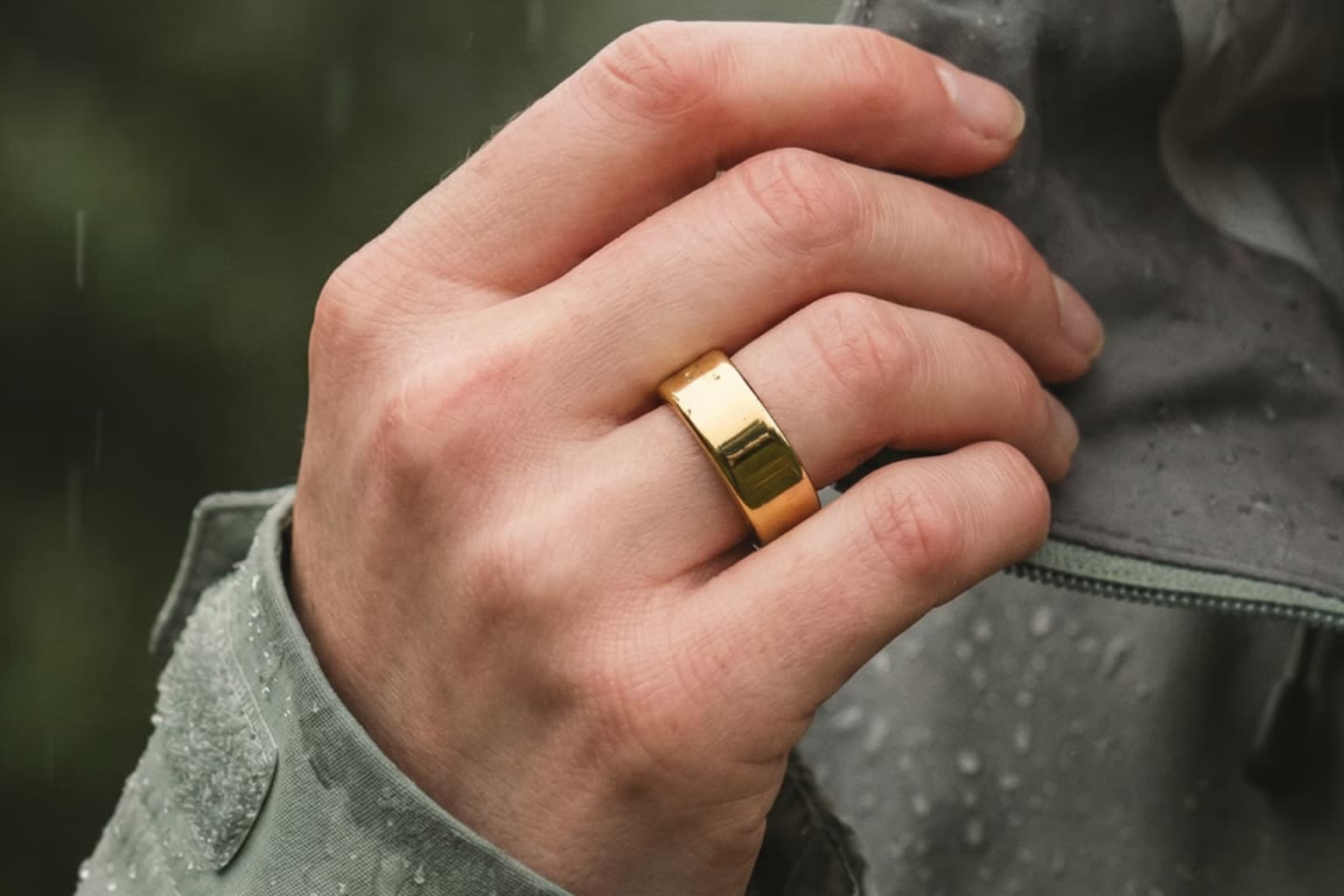
Smart ring maker Oura has filed a lawsuit against Indian competitor Ultrahuman, seeking to ban Ring Pro sales in the US. The complaint was filed on Thursday in a Texas federal court. Oura claims that Ring Pro infringes two patents covering the ring's design and internal components — the battery and sensors. The company is seeking monetary damages and a permanent injunction on sales.
Context of the import ban
The redesigned Ring Pro launched in February, and in March received a favorable ruling from U.S. Customs and Border Protection, allowing the Bangalore-based startup to return to the American market. Previously, Ring Air was subject to an import ban following an International Trade Commission (ITC) ruling on Oura's complaint in August of last year. Oura argues that the Customs ruling covered only a patent from the earlier dispute, not the two patents in the new lawsuit — D804,471 and 12,769,363. Patent 12,769,363 was issued to Oura on October 20, two days before the lawsuit was filed, and covers a ring design with a curved battery, circuit board, magnets, and sensors.
Defendants and history of the conflict
The defendant also includes Texas-based electronics manufacturer SVTronics, which, according to the complaint, manufactures Ring Pro at a plant in Plano, Texas, under Ultrahuman's oversight. The conflict between the companies dates back to 2023, when Oura first sued over Ring Air, and in 2024 it went to the ITC. An Oura spokesperson told TechCrunch that Ultrahuman has a 'history of copying Oura's innovations' and did not eliminate the patent infringement in the redesign.
The broader picture
Oura is also engaged in patent disputes with other manufacturers — Samsung, RingConn, Circular, and Zepp Health; some of the disputes ended in licensing agreements: RingConn and Circular agreed to pay royalties. According to IDC, global smart ring shipments will grow 12.8% this year to 4.9 million units and reach about 6.3 million by 2030. The lawsuit was filed a few weeks after Oura withdrew its $2.2 billion IPO, citing 'uncertainty' in the market; this week the company introduced new fitness metrics. In September, Ultrahuman raised $70 million from investors including Qualcomm Ventures and Labcorp, at a valuation of about $365 million, and is working with Qualcomm on a new ring with more advanced on-device software. Ultrahuman did not respond to a request for comment.