The key facts
- The tanker Agioi Fanendes loaded about 40,000 tonnes (~300,000 barrels) of diesel in Primorsk and is heading to New York, with arrival expected ~November 7
- On October 9, Trump announced a deal with Moscow: sanctions were temporarily eased, and Russia lifted its own ban on diesel exports
- The move drew criticism from Ukraine and allies, including parts of the Republican Party
Tanker heads to New York
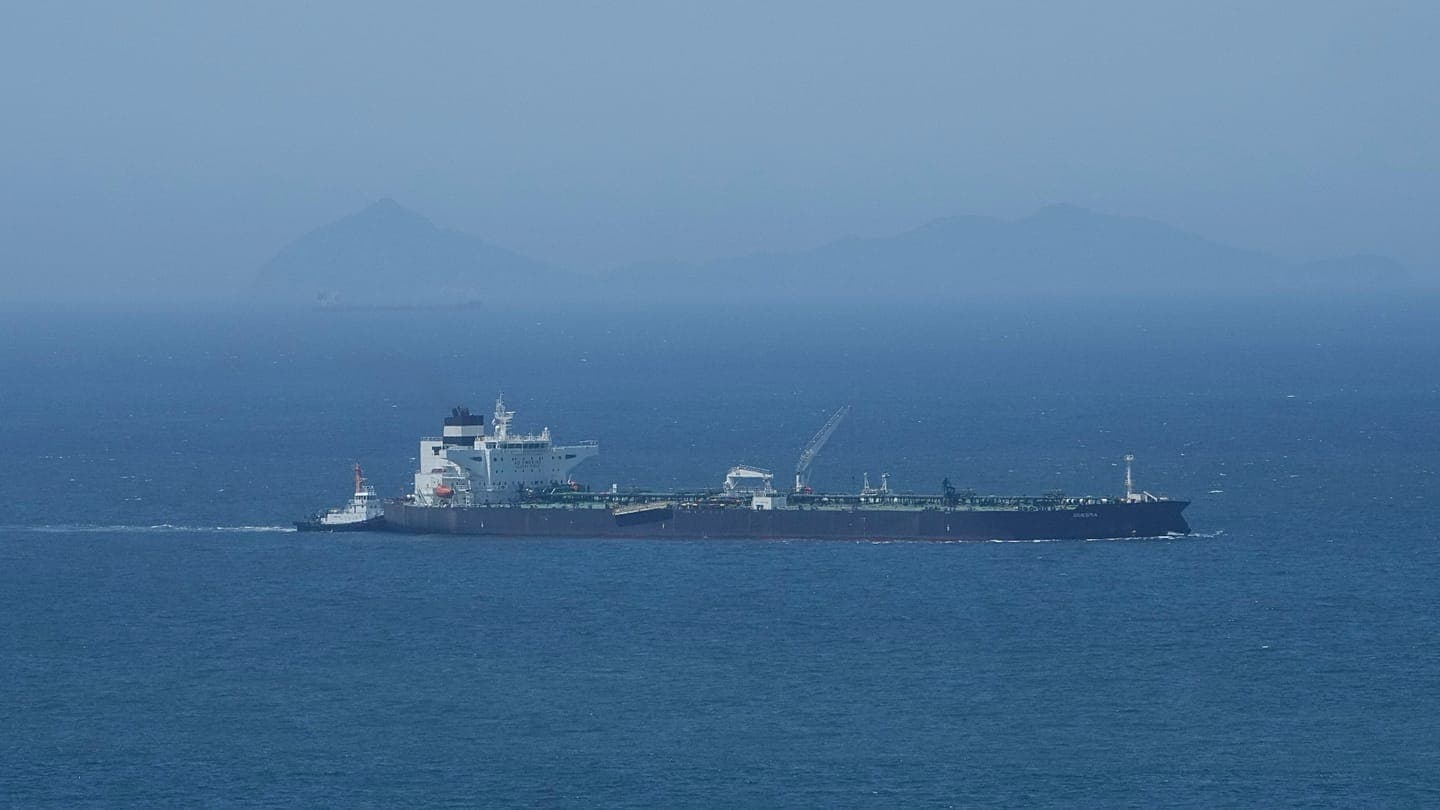
The tanker Agioi Fanendes, flying the flag of Malta, loaded about 40,000 tonnes (approximately 300,000 barrels) of ultra-low-sulphur diesel fuel at the Russian Baltic port of Primorsk and departed from there overnight on October 22–23, according to maritime tracking company Kpler. The vessel indicates New York as its destination via its AIS transponder; according to Kpler, the estimated arrival date on the US East Coast is November 7 — four days after the midterm congressional elections. Separate LSEG data also estimate the cargo at 40,000 tonnes.
First shipment since 2023
If the delivery takes place as indicated, it will be the first Kpler-tracked shipment of Russian diesel or gasoil to the US since July 2023 and the first shipment of diesel from Primorsk to New York since January 2022. According to Reuters, this is the first delivery of Russian oil or oil products to the US since 2022, after former President Joe Biden imposed a ban on their import. The buyer and seller remain unknown.
The Trump-Moscow deal
On October 9, US President Donald Trump announced an agreement between Washington and Moscow on supplies of Russian diesel fuel to the US market and world markets, temporarily easing American sanctions on Russian diesel. Russia, for its part, agreed to lift its own ban on diesel exports. Trump said Russia would immediately supply 300,000 tonnes, then 500,000 tonnes in November and 1 million tonnes 'immediately after that'.
Statements from Moscow and reaction
On Wednesday, Russian agencies quoted Deputy Prime Minister Alexander Novak, who oversees energy policy: he said the first tanker with diesel for the US would depart the next day, and that supplies would continue as contracts are concluded between Russian and American companies. The move was seen as an attempt to lower fuel prices for American consumers ahead of the midterm elections and drew sharp criticism from Ukraine and its allies, including some members of Trump's Republican Party.
Context
After the EU embargo on Russian oil products, introduced in February 2023, Russian diesel exports were reoriented mainly to Brazil, Turkey and African countries.