The key facts
- The network led by Salim Alzak allegedly raised $2 million for Hamas, including $1.5 million after October 7, 2023
- In France, the founders of two charities were arrested — the Baraka Association was shut down after a DGSI raid
- Three men were arrested in the US for donations totaling $155,000; each faces up to 20 years in prison
Global Hamas Fundraising Network Dismantled
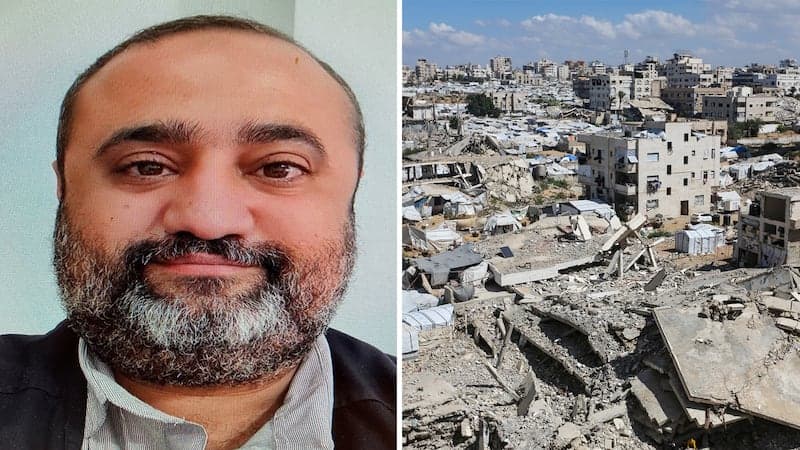
A series of arrests in the US and France led to the dismantling of an international network that, according to prosecutors, raised money for Hamas under the guise of donations for humanitarian aid to Gaza residents. According to US authorities, the operation was controlled by 45-year-old Salim Alzak, a senior official in Hamas's propaganda apparatus. According to the charges, the network raised $2 million, of which $1.5 million came in after the October 7, 2023 attack on Israel.
French Arrests and Closure of the Baraka Association
Among those detained were the founders of two France-based charities that, it is claimed, cooperated with Alzak. The Baraka Association was founded by 35-year-old Algerian Fawzi Barika just days after October 7; according to the investigation, it served as a tool for raising funds for Hamas. The organization was shut down after an operation by the French intelligence service DGSI. Two weeks after notifications from the US, a link to an international payment system was still active on the association's website, as The National noted. PayPal told the outlet that it processed no payments for either the individual or the organization; a few days later the website went offline.
Charges and Sanctions
Alzak, Barika, and the Baraka Association were added by the US to the sanctions list under SDGT status (Specially Designated Global Terrorist). Alzak has been charged with fundraising on social media under the guise of aid for Gaza; if convicted, he faces 20 years in prison in the US, and he is believed to be in Gaza. The indictment filed in a New York court states that he and his 'co-conspirators collected donations from around the world' allegedly intended for humanitarian aid to the population of Gaza, allowing Hamas to 'exploit the sympathy and generosity of the international community to the detriment of the Palestinian people.'
Coded Language in Communications
According to the investigation, in a conversation with an undercover officer of US law enforcement, Alzak used coded language: he referred to Hamas as 'the Greens' and boasted that he could transfer donations to 'them' monthly, using phrases like 'buy bread' or 'give to the bakeries.'
Arrests in the US and France
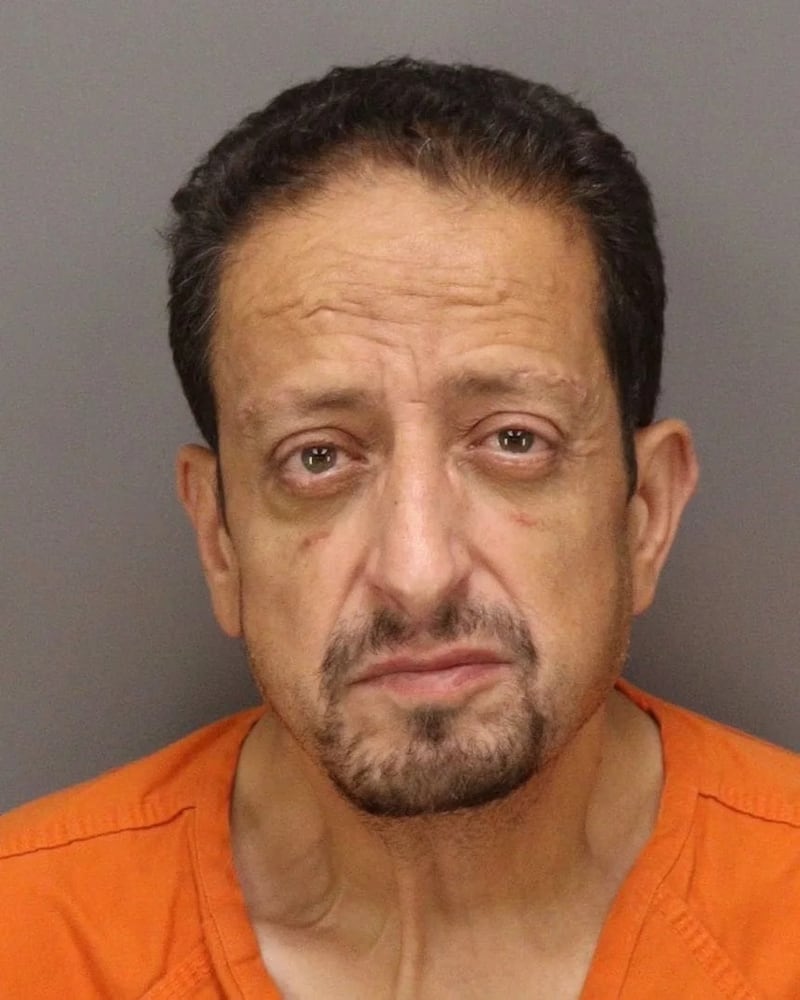
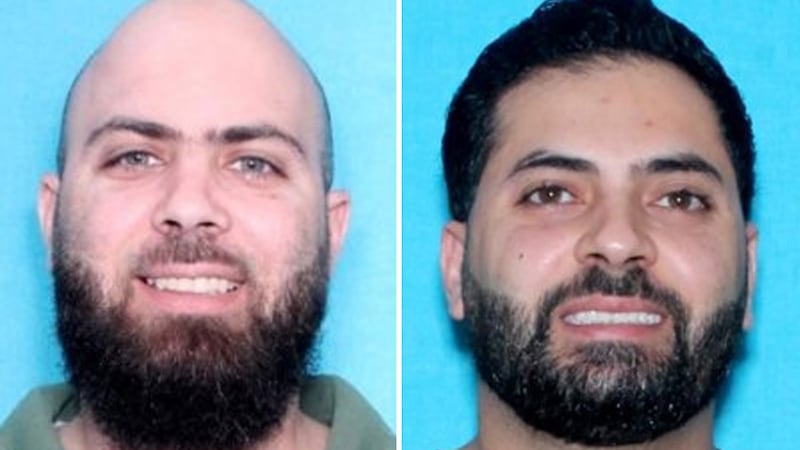
In the US, three men were detained who, according to the charges, transferred a total of $155,000 through the network: 35-year-old Abdel Adhami and 33-year-old Omar Adhami from Louisiana, as well as 56-year-old Raed Yousef from Florida. They face charges including material support for a foreign terrorist organization; if convicted, they face up to 20 years in prison. In France, 39-year-old Algerian citizen Amel Oualid was also detained; she and her organization Ensemble C Mieux were also added to the SDGT sanctions list for allegedly raising funds for Hamas. According to prosecutors, Barika and Oualid sent Alzak cryptocurrency worth hundreds of thousands of dollars.
Official Statements and Alzak's Role in Hamas
US Assistant Attorney General for National Security John A. Eisenberg stated that 'the investigations and arrests spanned multiple jurisdictions in the United States and across international borders,' adding: 'Money is the lifeblood of terrorist organizations, and the arrests disrupted the operation of a global financial network that supplied Hamas with the funds needed to continue its campaign of destroying innocent lives.' According to the US Department of Justice, Alzak is a deputy battalion commander in the al-Qassam Brigades — Hamas's armed wing — and works in the photography unit of its media office; in this role he photographed Hamas events, including events led by the late Ismail Haniyeh and Yahya Sinwar. US authorities note that Alzak's activities fit a pattern in which Hamas benefited from organizations presenting themselves as charities.