The key facts
- The board reserved funds for the first time — $20 million for Nepal after the August floods that killed more than 1,400 people
- The amount is the maximum for a single application and less than 0.5% of Nepal's $4.78 billion recovery estimate; no funds have been disbursed yet
- Developed countries called the decision an exceptional case, while developing countries objected to ruling out a precedent
The First Allocation in the Fund's History
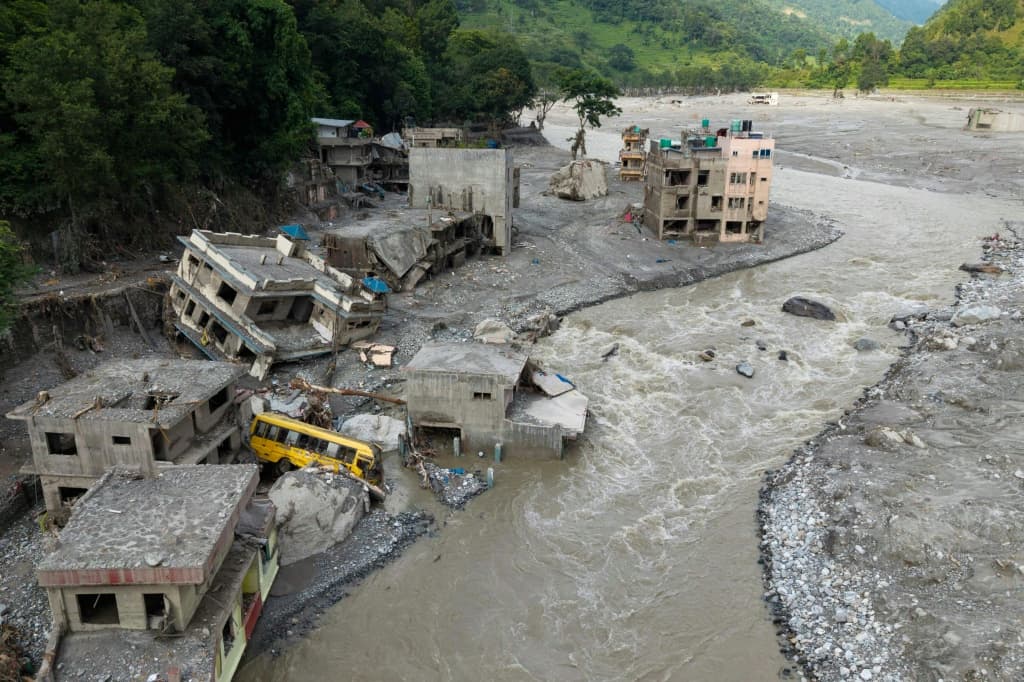
The UN Fund for responding to Loss and Damage, at its first extraordinary meeting on Thursday, agreed to reserve $20 million for Nepal, which was hit by floods. This is the first time the fund has allocated money to any country, which AFP calls a key test of its credibility. In August, tsunami-like floods, caused by climate change-triggered ice and rockfalls, swept over the Himalayas; more than 1,400 people died and over 5,000 are listed as missing. Board co-chair from the Dominican Republic Camila Minerva Rodríguez Taveras called the outcome 'truly historic' and thanked participants for the opportunity to respond quickly to the situation in Nepal.
Nepal Will Not Receive the Money Yet
The decision does not mean an immediate transfer of funds. Nepal must submit an application for board approval, and the timeline of the process is not defined. $20 million is the maximum amount for a single application, and it is less than 0.5% of the Nepalese government's $4.78 billion recovery cost estimate. Harjeet Singh, founder of the Satat Sampada Climate Foundation and global coordinator of the Fill the Fund campaign, called the decision 'a landmark first step' that also shows 'how long a road the fund still has to travel.'
Dispute Over Precedent
The fund was created following the UN climate conferences of 2022 and 2023 thanks to the efforts of developing countries, many of which bear little responsibility for climate change but are most vulnerable to its consequences. It grew out of demands for 'climate reparations' from historical major emitters, which ultimately never materialized. Since it began operating, the fund has been criticized for the meager commitments of rich countries — $822 million to date — and for a disbursement cycle not tied to climate disasters; no funds have been disbursed yet. At the meeting, a number of developed countries emphasized that the decision on Nepal should be considered exceptional rather than a template for the future. EU representative Jan Dusík said: 'This is not a precedent, on the one hand, but on the other, it provides experience for developing the fund's long-term model.' Pakistani Ali Tauqeer Sheikh objected: 'I heard Jan say that we are open to learning, but not to setting a precedent. Please do not define the boundaries of learning.' His words were supported by other participants.
Pressure After the Nepal Disaster
The wait-and-see position became untenable after the disaster in Nepal: developing countries, which hold the majority on the fund's board, demanded a response to Nepal's request. A year earlier, when a hurricane destroyed part of Jamaica, the then fund co-chair from France told AFP that the fund was not intended 'for humanitarian response' but aimed at 'the next stage.' Brenda Mwale, head of external relations at Loss and Damage Collaboration, noted: 'Nepal is effectively pushing us toward what the fund will be in terms of rapid disbursement mechanisms.'
Context of Aid and Legal Demands
After the disaster, the UN and its humanitarian partners announced an emergency appeal for $49.6 million, and in September the US announced $31 million in new support for flood recovery. However, as courts increasingly rule on states' climate obligations, developing countries and lawyers believe such aid should be an obligation of rich countries rather than voluntary. Nikki Reisch, director of the climate and energy program at the Center for International Environmental Law, expressed hope that the decision on Nepal 'will become a truly springboard' for demands that the fund and responses to mounting climate impacts 'be based on legal obligations.'