The key facts
- Tesla's net profit for Q3 was $787 million (22 cents per share), down 43% year over year; revenue was $28 billion
- Free cash flow came in at $1.5 billion despite expectations of an outflow; 2026 capex forecast lowered to ~$20 billion
- Tesla and SpaceX formed special committees to explore a possible merger; terms not agreed, no guarantee of a deal
Profit decline with nearly unchanged revenue
Tesla reported a decline in profit for the third quarter amid increased spending on artificial intelligence, robotics and autonomous transport. Net profit attributable to shareholders was $787 million (€701 million), or 22 cents per share, down 43% from a year earlier. Revenue was virtually unchanged at $28 billion (€24.9 billion), slightly short of the average analyst forecast of $28.3 billion. Car sales fell, as did revenue from regulatory credits and from energy generation and storage. At the same time, adjusted earnings per share of 48 cents beat Wall Street expectations by 3 cents.
Unexpectedly positive cash flow
Tesla's free cash flow was $1.5 billion (€1.3 billion), although analysts, factoring in large AI spending, had expected an outflow of funds. Nevertheless, the figure was 62% lower than a year earlier. Morningstar analyst Seth Goldstein called the unexpectedly positive cash flow the main surprise of the quarter and noted that Tesla appears to have chosen a more capital-efficient approach, deferring long-term projects in order to self-fund its growth in AI. Capital expenditures more than doubled year over year to $4.7 billion for the quarter, but analysts had expected more. The 2026 capex forecast was lowered to roughly $20 billion from more than $25 billion. CFO Vaibhav Taneja said the company is managing expenses effectively and plans to fund them mainly from operating cash flow.
Automotive business and robotaxi
The automotive gross margin excluding regulatory credits rose to 18.1% for the three months ended September, versus 15.4% a year earlier. Tesla previously reported delivering 486,532 vehicles in the quarter — more than the 480,126 in the previous three months, but 2% less than a year earlier. The increase in deliveries did not lead to higher net profit. More than 75% of new vehicles delivered in North America come with a paid subscription to the Full Self-Driving (Supervised) driver-assistance package, which, despite its name, requires active driver supervision and does not make the car autonomous. According to published reports, the robotaxi business has so far not lived up to Musk's earlier ambitions: in Texas, where the service launch is concentrated, more than 800 Tesla vehicles are registered for the autonomous service (according to FSD Database).
Growth plans and possible merger with SpaceX
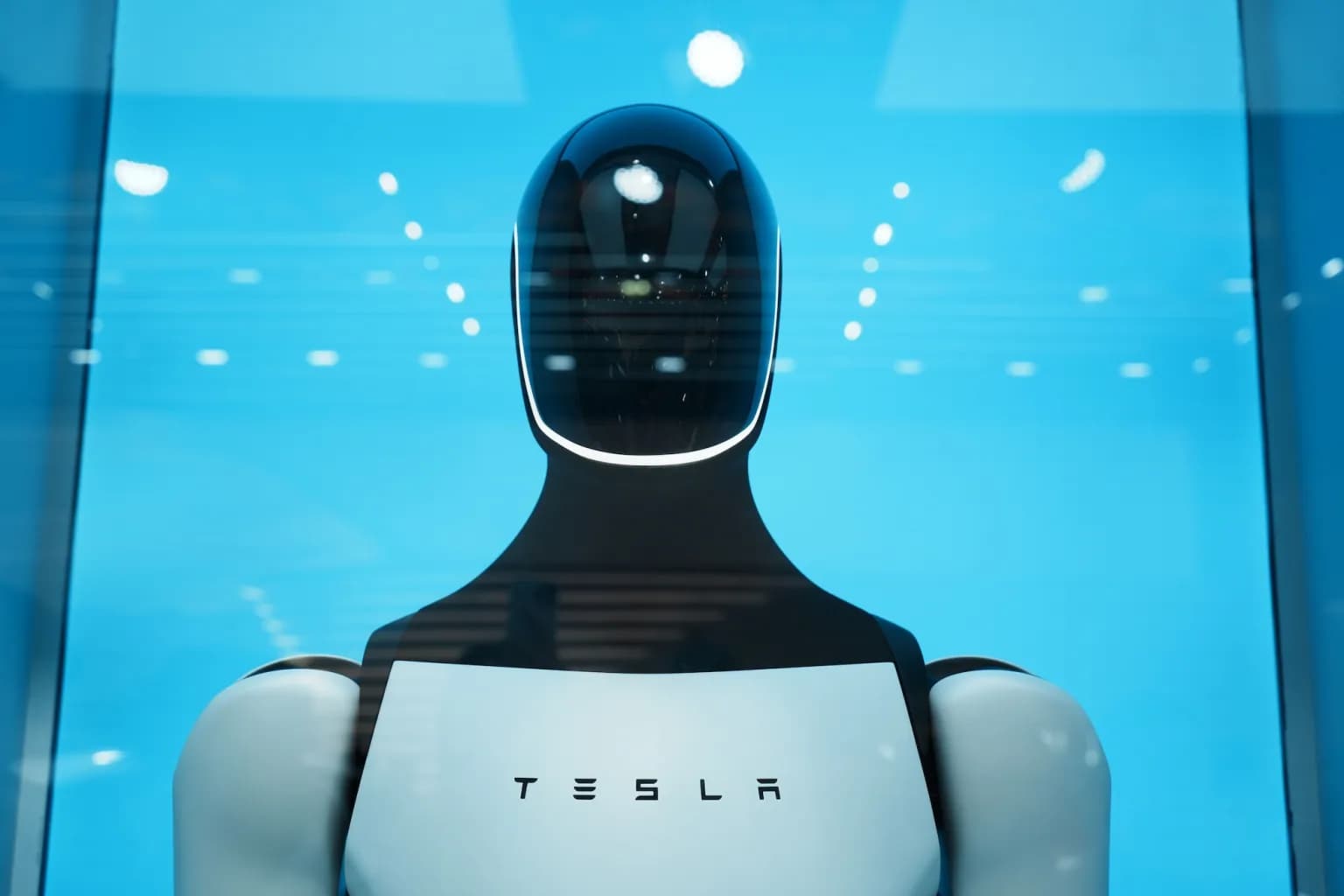
Musk said Tesla intends to reach production of about 5 million vehicles per year by roughly 2030, compared with about 1.65 million in 2025. 'After many years of hard work and relatively sluggish performance, it seems to me we are now entering a period that will bring a lot of interesting things and notable growth,' he said. On Tuesday, on a SpaceX conference call, Musk said both companies had formed special committees of independent directors to explore a possible merger; terms have not been agreed and there is no guarantee of a deal. The companies' combined market capitalization is estimated at about $3.5 trillion (€3.1 trillion). According to Musk, the companies could benefit from joint work on AI software, chip design, robotics and satellite infrastructure, including space-based computing. Tesla is also investing in Optimus humanoid robots and, together with SpaceX, is developing the Terafab chip manufacturing project in Austin. On the Tesla call, Musk declined to discuss the merger in further detail.
Market reaction
Tesla shares fell 3.2% in after-hours trading after rising 3.6% in the regular session. Speculation about a possible merger and strong SpaceX results supported the rise in both companies' share prices on Wednesday. According to Forbes, by 10:30 a.m. New York time Musk's fortune had reached $1.013 trillion (€902 billion), briefly returning him above the trillion-dollar mark.