The key facts
- The one-week repo rate was cut from 37% to 36% (−100 b.p.), in line with market expectations
- The overnight lending rate was cut from 40% to 39%, and the overnight borrowing rate from 35.5% to 34.5%
- The regulator maintains a tight policy until price stability is achieved; geopolitical energy price risks remain an inflationary factor
First rate cut after a series of pauses
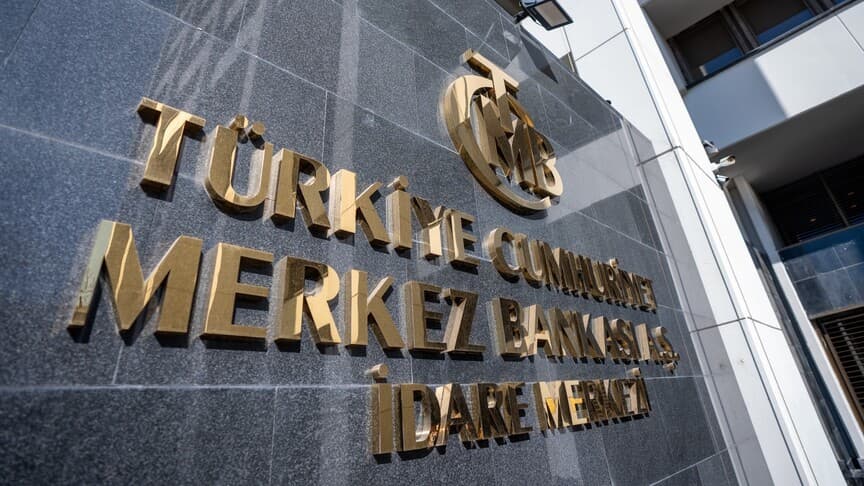
The Central Bank of the Republic of Turkey on Thursday, October 22, cut its key rate by 100 basis points — from 37% to 36%. The decision was made by the Monetary Policy Committee chaired by Governor Fatih Karahan. It matched market expectations and was the first change after five consecutive meetings at which the rate was held unchanged.
Changes across the entire rate scale
In addition to the main rate on one-week repo auctions, the regulator lowered the overnight lending rate from 40% to 39% and the overnight borrowing rate from 35.5% to 34.5%.
The committee's arguments
The committee's statement said that, despite monthly fluctuations, the latest inflation data and forward-looking indicators confirm a slowdown in the underlying inflation trend. Economic activity data and the limited pass-through of supply shocks to domestic prices point to continued weakness in domestic demand.
Risks and next steps
At the same time, the regulator noted that high energy prices amid ongoing geopolitical tensions remain an inflationary risk. The committee stated that it is closely monitoring the impact of geopolitical developments on inflation through costs, economic activity, and expectations. Tight policy will be maintained until price stability is achieved and is expected to strengthen the disinflation process through demand, exchange rate, and expectations channels. Future decisions will take into account actual and expected inflation and its underlying trend; the size and timing of steps will be determined cautiously, meeting by meeting. The committee emphasized that in the event of a significant and persistent deterioration in the inflation outlook, policy will be tightened. In the event of unexpected developments in credit and deposit markets, additional macroprudential measures will support monetary policy transmission, and liquidity management tools will continue to be used effectively.