The key facts
- MI5 opened a file on Bevan in 1933, when he was a backbencher for Ebbw Vale
- In 1949 MI5 chief Sillitoe went to Attlee over Bevan's friendship with Wilfred Macartney, convicted of spying for the USSR
- The file was closed in 1975 — 15 years after Bevan's death; one officer described its contents as 'surprisingly innocuous'
Surveillance lasted more than two decades
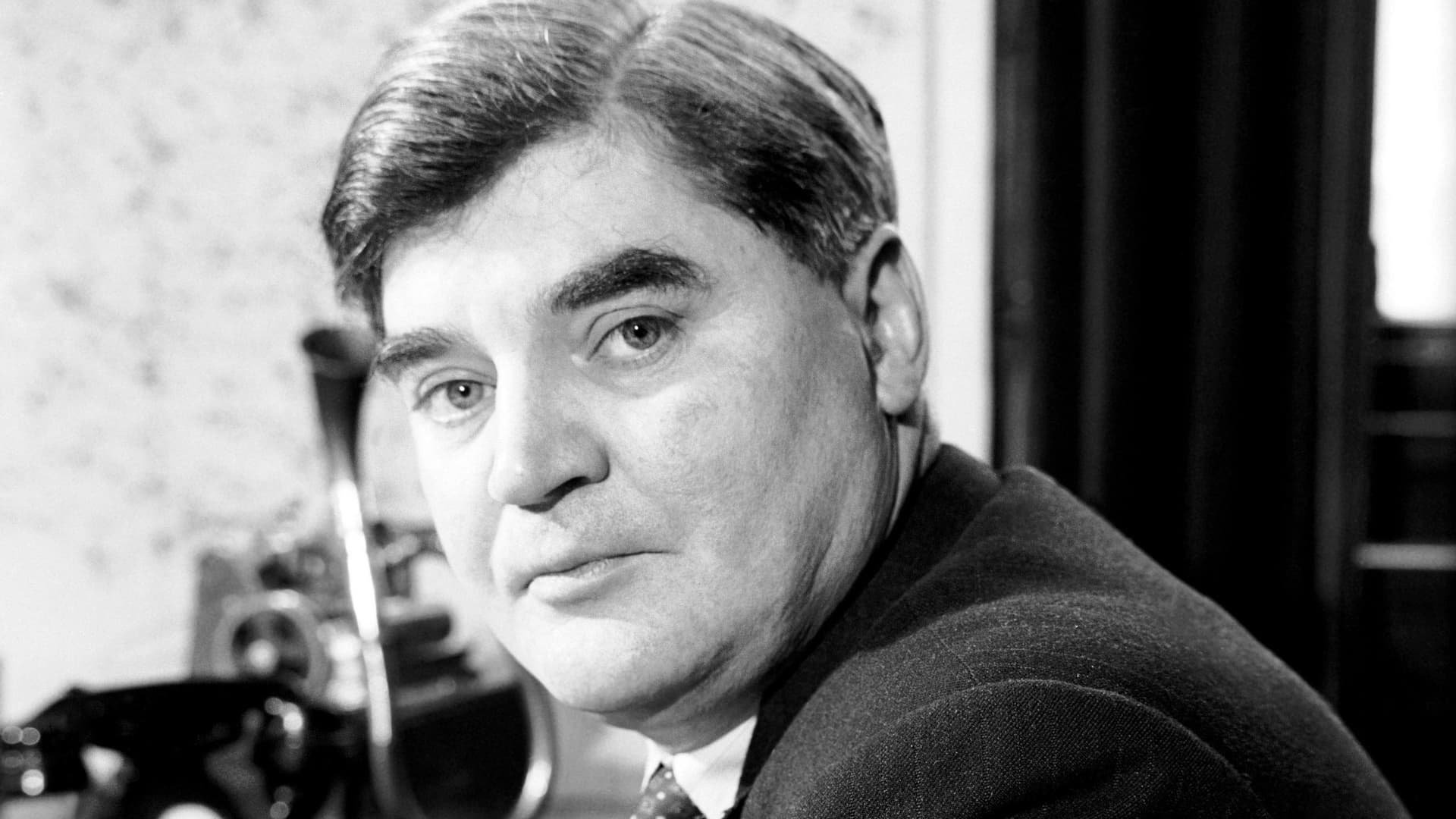
Aneurin 'Nye' Bevan, the founder of Britain's National Health Service, was in MI5's sights for more than 20 years, according to declassified documents released to the National Archives. Bevan, a native of Tredegar in Blaenau Gwent, first attracted the service's attention in the 1930s as a 'fiery' left-wing politician associated with prominent communists. The surveillance continued after he became a minister in the post-war Labour government and carried through the creation of the NHS despite doctors' resistance.
The file's origins and communist links
MI5 opened a file on Bevan in 1933, when he was a backbench Labour MP for Ebbw Vale. One of the earliest reports described his speech at an anti-Nazi rally in Montreal in 1934: 'Bevan inherited the evangelical fervour of his Welsh forebears and knows how to use it in the communist cause,' it said. In 1943, the future MI5 director Roger Hollis summarised what was known: in 1933 the MP had been 'in close contact' with Harry Pollitt, general secretary of the Communist Party of Great Britain, and with party members who supported his plan to create 'workers' freedom groups' for protection against 'capitalists'.
Doubts within the service itself
The files contain no evidence of telephone tapping or interception of Bevan's mail, and some MI5 staff doubted the value of the surveillance. 'I do not think that Bevan's activities are a matter in which we, the Security Service, should engage,' one officer wrote in 1943. 'In fact he makes the very same speeches in parliament quite frequently'.
Alarm over a Russian spy
In 1949, when Bevan was health minister in Attlee's government, MI5 became alarmed by his friendship with Wilfred Macartney — an 'unpleasant, unscrupulous character' convicted in 1928 of spying for Russia. Records of conversations indicated that Macartney was passing information received from Bevan to the Communist Party leader Pollitt. In May 1949, MI5 chief Sir Percy Sillitoe brought this material to Prime Minister Clement Attlee at 10 Downing Street. Attlee called Macartney's claims 'a tissue of lies' but agreed to warn Bevan about him.
Final reports and closure of the file
One of the last reports is dated 1954, when Bevan, by then back on the opposition benches, was invited to meet the Soviet ambassador Yakov Malik at the Polish embassy in London. The event 'went very badly' — partly because the Soviet diplomat had difficulty understanding Bevan's Welsh accent, which led to misunderstandings. 'The party ended in a not very friendly atmosphere,' the report noted. The file was only closed in 1975 — 15 years after Bevan's death. After his death in 1960, one MI5 officer described the file's contents as 'surprisingly innocuous'.
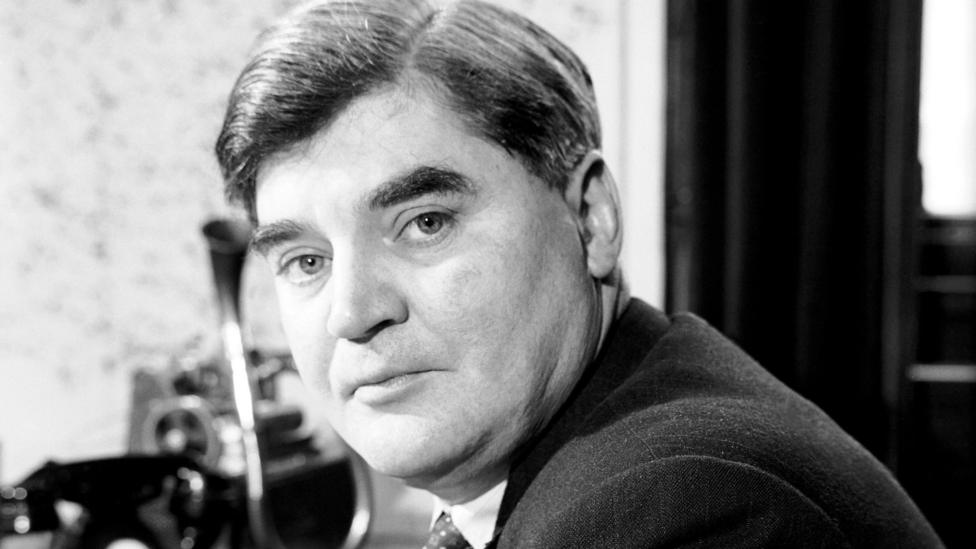 Image source, PA Media
Papers show Aneurin Bevan first came to the attention of the security service in the 1930s
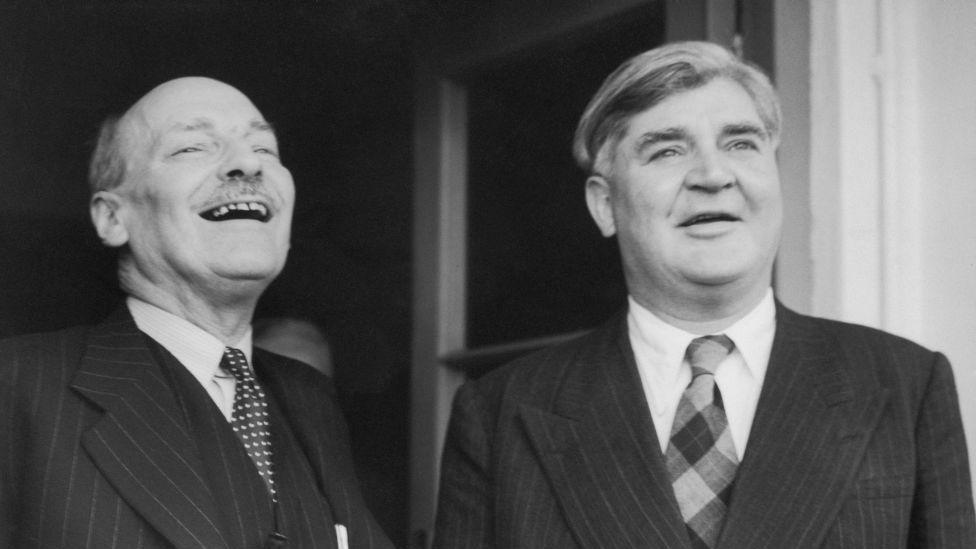 Image source, Getty Images
One MI5 director general was so worried about Bevan's links to a Russian spy he went to see Prime Minister Clement Attlee (left) about it