The key facts
- Article 7 rejected, depriving the budget of €3.7 billion ($4.1 billion) in revenue
- The government had planned to cut the social security deficit to €12.7 billion in 2027
- A possible no-confidence vote and the risk of derailing consideration of the spending section are being discussed
Parliament Rejects Revenue Measure
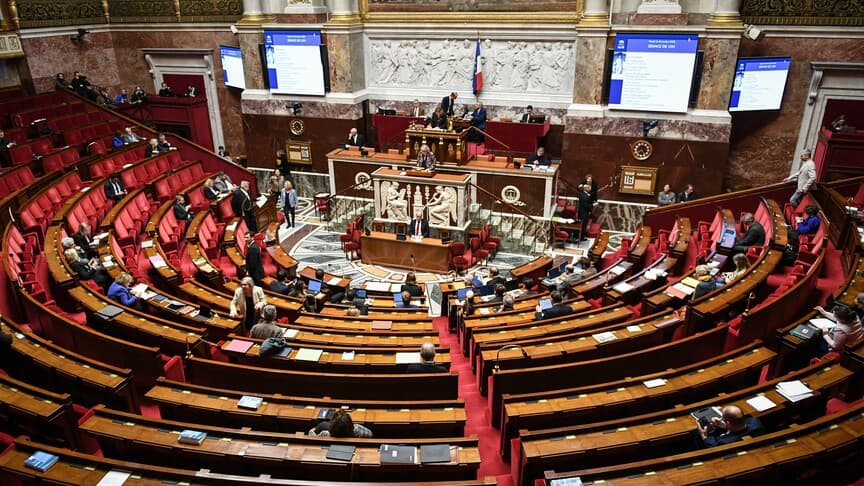
French lawmakers on Thursday rejected a measure that, according to BFMTV, was to bring €3.7 billion ($4.1 billion) into the social security system. The provision was contained in Article 7 of the 2027 social security financing bill and involved reducing employer contribution exemptions for companies paying profit-sharing bonuses or shares to employees. The vote took place after three days of debate, accompanied by amendments that lowered projected revenues or increased spending.
Balance of Power and Reaction
Supporters of President Emmanuel Macron and the right opposed the amendments that removed the provision; opponents considered the measure harmful to business. Socialist lawmaker Jérôme Guedj said: 'You are killing this social security financing bill,' accusing colleagues of undermining efforts to restore the system's finances. Labor Minister Jean-Pierre Farandou warned of the scale of the financial consequences of the lawmakers' proposals: 'We are no longer talking about the 15 or 100 million we discussed yesterday, we are talking about billions of euros.' Green lawmaker Sandrine Rousseau raised the possibility of a no-confidence vote, accusing opponents of abandoning previously reached compromises.
Risks for the Budget
The government plans to reduce the social security deficit from an expected €21.8 billion in 2026 to €12.7 billion in 2027, and the rejection of the measure complicates achieving this goal. According to BFMTV, if the entire revenue section of the bill is rejected, lawmakers will not be able to move on to considering its spending provisions.