The key facts
- Former Chihuahua prosecutor César Jáuregui Moreno has been charged with treason for cooperating with the CIA without authorization from the federal government
- A judge ruled early Wednesday morning to keep him in custody pending trial; the hearing was held behind closed doors
- The case has exposed ties between state authorities and American intelligence services amid Washington's pressure on Mexico's security policy
Charges and Arrest
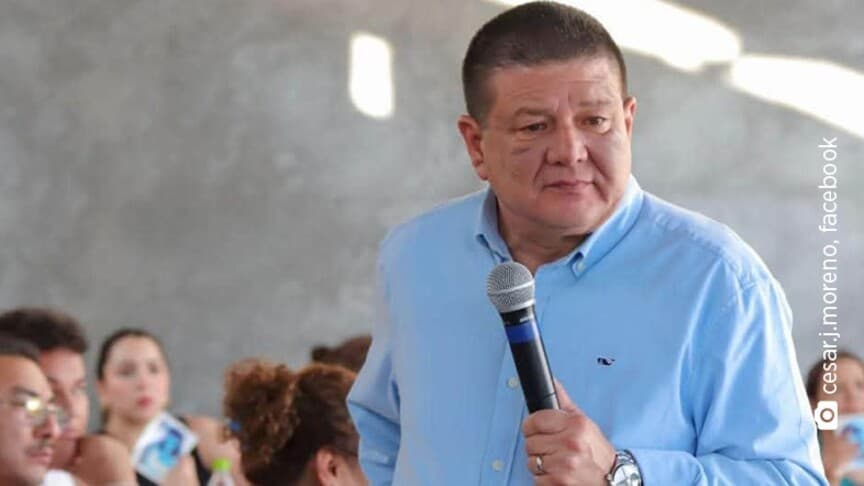
César Jáuregui Moreno, former prosecutor of the Mexican state of Chihuahua, has been charged with treason for cooperating with the CIA without the knowledge or authorization of Mexico's federal government. Early Wednesday morning, a district judge ordered him held in custody pending trial. The hearing was held behind closed doors: the prosecutor's office stated that media disclosure of investigation details could harm national security. Jáuregui was arrested on October 17 and stepped down as state prosecutor in April.
Context of the Case
The investigation is connected to events in April, when it became known that CIA agents took part in dismantling an underground drug lab in Chihuahua in northwestern Mexico. According to the publication, their involvement violated the Mexican constitution, since American intelligence officers were not authorized by federal authorities to operate in the country. Under the constitution, only the federal government has the right to enter into security agreements with foreign states.
How the Cooperation Came to Light
The CIA's cooperation with the authorities of the state of Chihuahua became known after a car crash in which two American agents were killed. However, the state prosecutor's office reported that the agents had previously taken part twice in joint security operations with state authorities before the fatal crash.
Political Dimension
According to the publication, the case has shed light on the activities of the political opposition to the ruling Morena party and the government of President Claudia Sheinbaum, as well as on the close ties between state governments and American law enforcement agencies — against the backdrop of growing pressure from Washington demanding greater involvement in Mexican security policy.