The key facts
- IRGC: two tankers hit mines in the Strait of Hormuz and caught fire; ship names and exact location not disclosed
- UKMTO reported an incident 121 nautical miles east of Duqm with no damage or casualties
- Iran claimed an MQ-9 was shot down — the US denies this; US strike on the Konarak base was reported
Mines and burning tankers
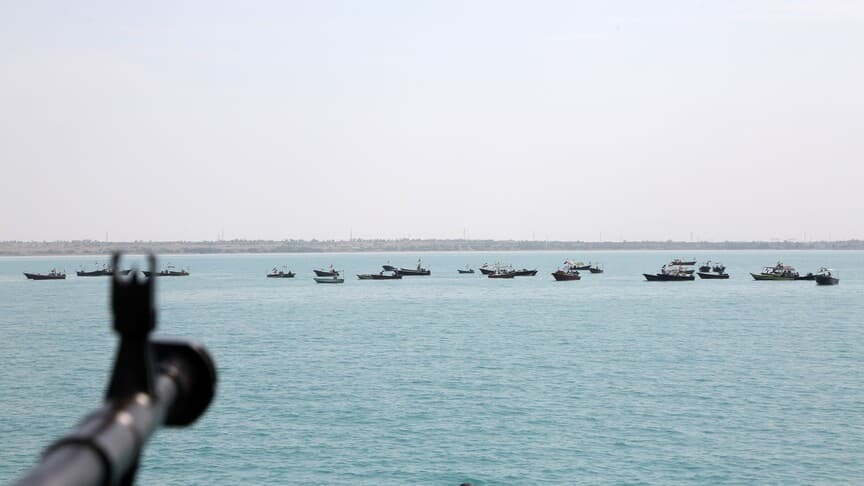
The Islamic Revolutionary Guard Corps (IRGC) said two oil tankers struck mines laid by its navy in the southern part of the Strait of Hormuz off the coast of Oman and caught fire. According to the IRGC, the vessels were attempting to pass along a route that Iran unilaterally declares unauthorized. 'As a result of the explosion of mines laid by the IRGC navy during an illegal passage south of the Strait of Hormuz, two tankers that violated the rules were set on fire and stopped,' the statement said. The names of the vessels and the exact location are not disclosed. Under international maritime law, Tehran has no authority to restrict passage through the strait, which is covered by the right of transit passage under the UN Convention on the Law of the Sea.
What other parties confirm
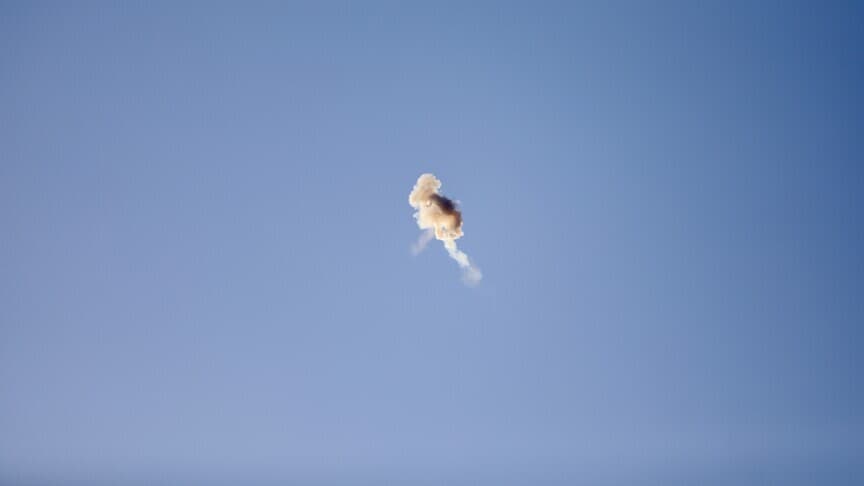
UK Maritime Trade Operations (UKMTO) said on Tuesday that it had received a report of an 'incident between an oil tanker and military forces' on Monday approximately 121 nautical miles east of the Omani city of Duqm. No damage or casualties were recorded, and the vessel was not named. The IRGC also claimed it shot down an American MQ-9 drone over the strait overnight into Monday; an American official told US media that this claim was untrue. A number of Iranian outlets, including the state-run Fars agency, reported a US strike on the naval base in Konarak in Sistan and Baluchestan province, where two service members were wounded and an air defense installation was hit. Washington did not comment on these reports.
Tehran's threats and the negotiation deadlock
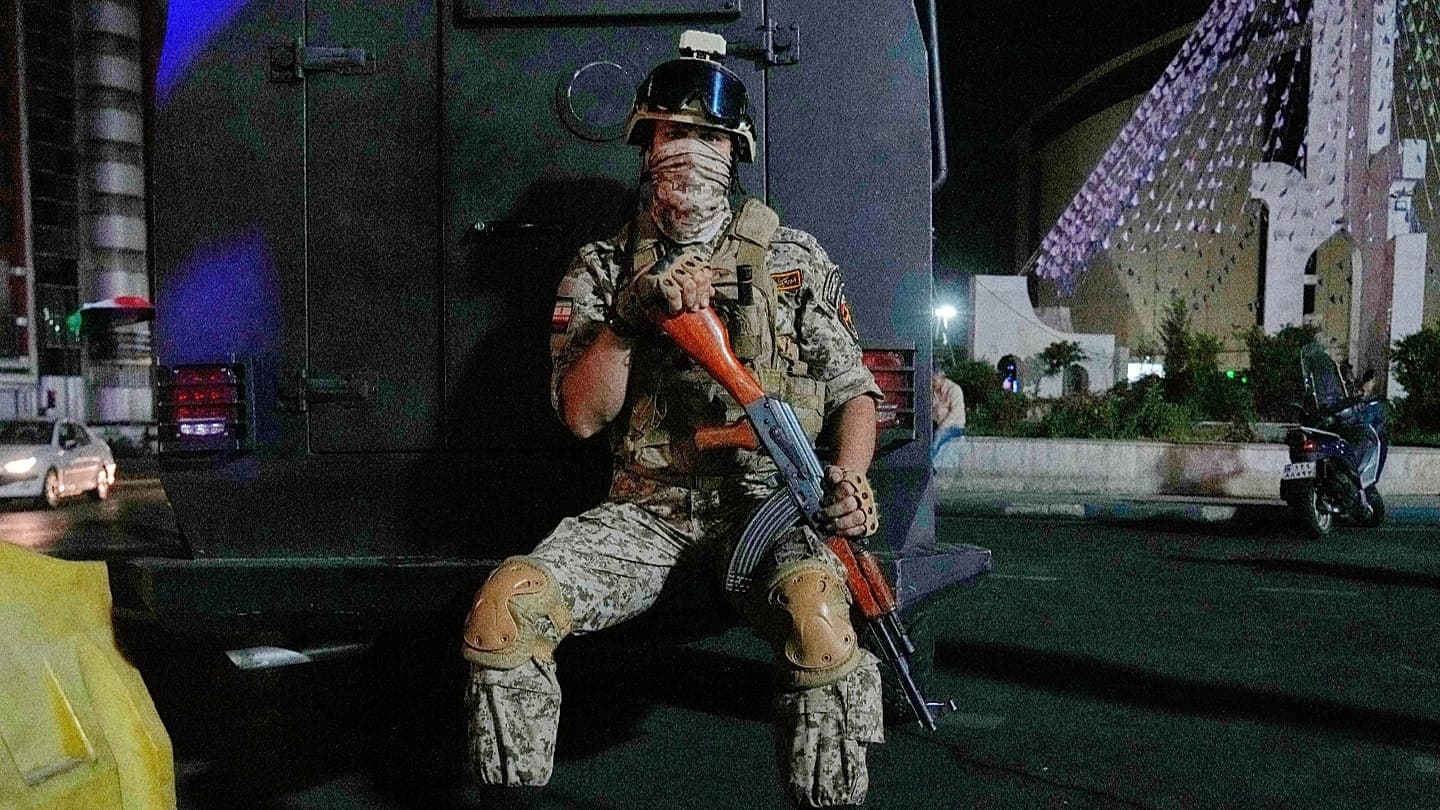
IRGC spokesman Hossein Mojtabi on Monday threatened strikes on undersea internet cables in the Persian Gulf and the strait, promising to 'unveil new weapons' to, in his words, eliminate the US military presence from the region. Iranian Foreign Ministry spokesman Esmaeil Baghaei said Tehran would respond to any American attack: 'In practice, we have shown that we absolutely do not leave a single strike unanswered,' he said, commenting on reports that Washington had urged Iran to show restraint in the event of a strike on Kuh-e Kalang. 'A US attack on Kuh-e Kalang and Iran's failure to respond is a fantasy and empty talk,' he added. The Tasnim agency, citing an unnamed Iranian security source, reported that uncertainty over the distribution of authority in Washington is complicating negotiations: Iranian officials do not understand the roles of Vice President JD Vance, Secretary of State Marco Rubio, and negotiators Steve Witkoff and Jared Kushner.
Consequences for shipping
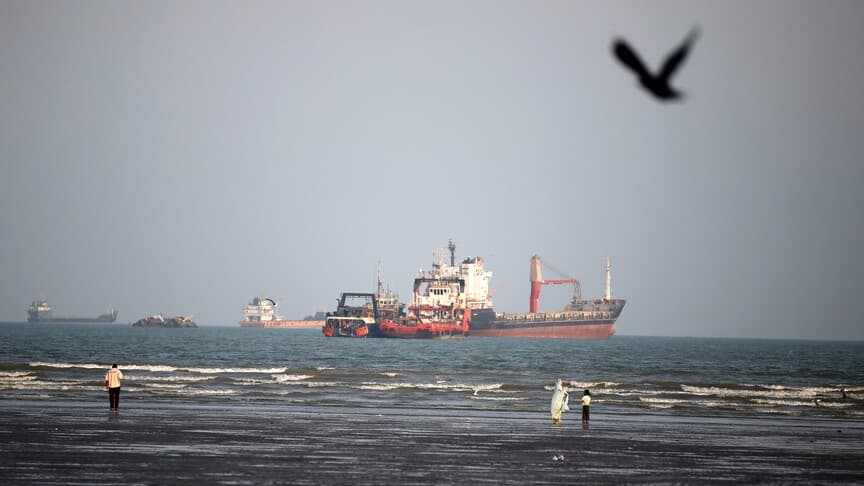
International Maritime Organization Secretary-General Arsenio Dominguez said that about 6,000 seafarers have been stuck in the strait since the start of the war, and criticized shipowners for continuing to send crews to the region. According to US media, the Pentagon is deploying the USS Theodore Roosevelt carrier strike group and the 13th Marine Expeditionary Force to the Middle East, which will add about 10,000 sailors and marines by the end of November; Washington has not confirmed this. Before the war, which began with American-Israeli strikes on Iran in late February, roughly a fifth of the world's oil passed through the Strait of Hormuz. Both Tehran and Washington have imposed blockades of the strait, with Iran repeatedly attacking cargo vessels using its southern part.