The key facts
- The new decree introduces the crime of 'violent participation in public events': up to 5 years in prison and a fine of up to 20 thousand euros, with harsher penalties for concealing the face or causing injury.
- A presumption of criminal liability is introduced for minors aged 14–18 unless proven otherwise; the flagranza differita regime is expanded.
- 500 military personnel are being sent to Milan until December 31, 2026; the provision on police functions for the military was removed after, according to sources, objections from President Mattarella.
Council of Ministers approves the Cortei decree
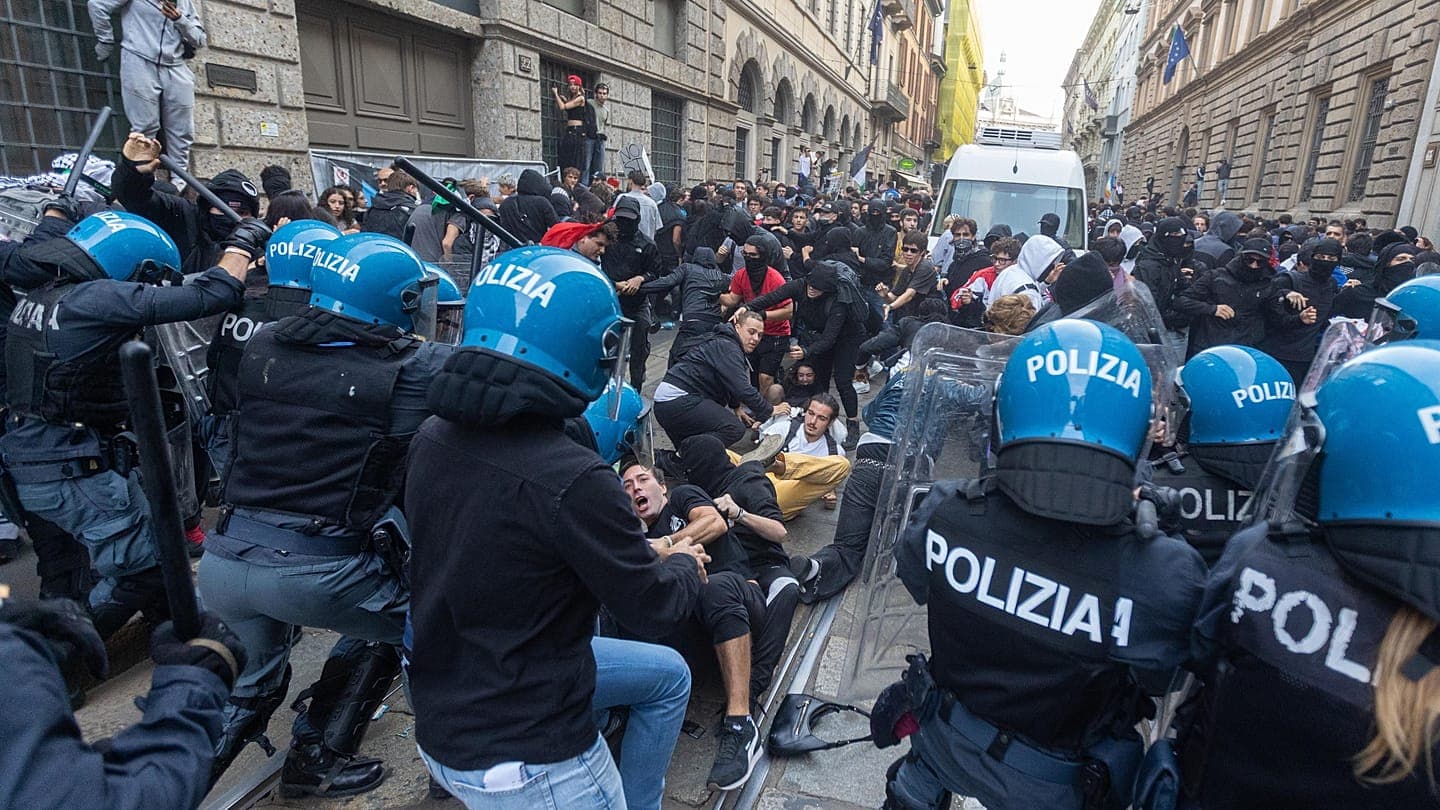
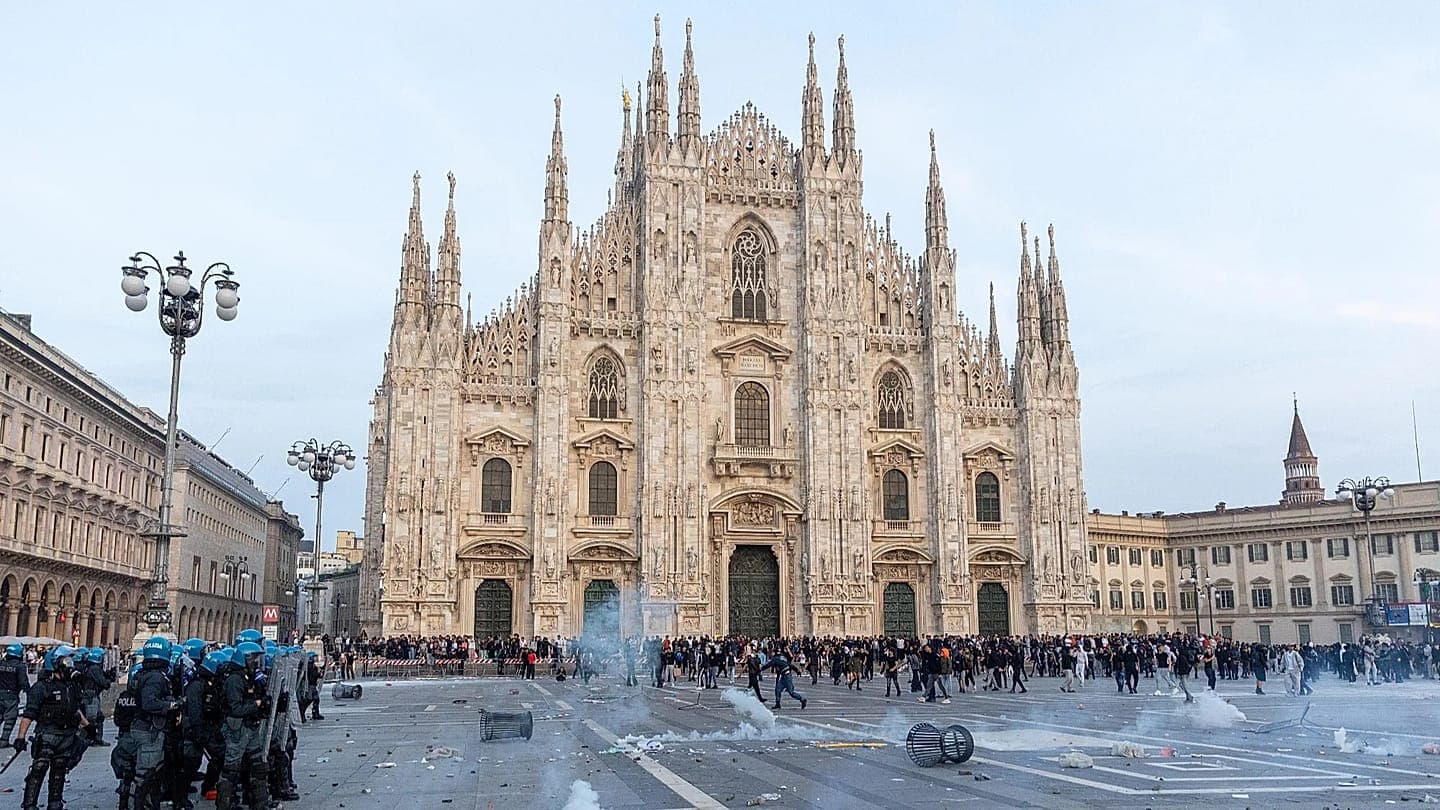
The meeting of the Italian Council of Ministers, scheduled for 5:30 PM on Tuesday, October 20, 2026, began almost an hour late — at 6:25 PM — and approved a new legislative decree on public security and measures to combat juvenile delinquency, named the Cortei decree. This is already the eighth security package of Giorgia Meloni's government, which has been in power since October 2022. The convening of the meeting was announced after a meeting at Palazzo Chigi on Monday, noting that the state's response to the destruction and looting following protest actions of recent days would be 'tough.' According to available information, discussions took place between the government and the President of the Republic Sergio Mattarella regarding the announced measures.
New crime and penalties
Meloni explained in a video address on social media after the meeting: 'A new criminal offense is being introduced: participation in a demonstration involving violence.' According to her, if during a march a person joins a group of five or more people, throws stones, firecrackers, sticks, and endangers the safety of others, they face up to 5 years of imprisonment and a fine of up to 20 thousand euros. With a concealed face or injury to people, the penalty is intensified, and sanctions also increase for those who cause destruction as part of a group. The decree also provides for the mandatory initiation of proceedings in all cases of bodily harm to judicial police or public security officers — currently prosecution is possible only with aggravating circumstances.
Liability of minors
The decree introduces a presumption of criminal liability for adolescents aged 14 to 18 unless proven otherwise. The previously existing 'Rocco Code' contained the opposite rule: the minor's capacity to understand the meaning of their actions had to be proven. Minors are subject to the flagranza differita regime, and the judge will be able to impose precautionary measures on adolescents over 16 years old, even if this interrupts ongoing educational processes. At the initiative of the Ministry of Justice, the flagranza differita regime (Article 382-bis of the Code of Criminal Procedure) has been extended to crimes related to destruction and looting, attacks on objects of public significance, violent participation in public events, and group damage to property.
Penalty for organizing via social media
Minister of Justice Carlo Nordio announced at a press conference that a separate article is being introduced with a penalty of 4 to 12 years for anyone who, including through the use of information or telecommunications means, contributes to the formation of a group for violent actions. Thus, up to 12 years of imprisonment is provided for those who use social media to organize groups and mass street outings.
Military in Milan and disputes over powers
Minister Matteo Piantedosi confirmed that the provision includes the deployment of 500 military personnel of the Italian army to strengthen security measures in Milan until December 31, 2026. According to Euronews, the cabinet stopped short of granting soldiers additional police powers — reportedly due to objections from President Mattarella. According to sources in the ruling coalition, the provision granting military personnel judicial police functions was removed from the decree minutes before the start of the Council of Ministers meeting. Notably, the provision on preventive detention of minors first disappeared from the drafts circulating during the day, but was then unexpectedly announced by Meloni in a video address after the decree's approval.
Context: previous packages of measures
Security remains one of the key topics of election campaigns in Italy. Previously, the Meloni government approved seven documents: the anti-rave decree of 2022; the Cutro decree of 2023, which toughened penalties for migrant smugglers; the Caivano decree of 2023 to combat youth gangs; bill No. 48 of 2024, which introduced 12 new criminal offenses; decree No. 23 of February 24, 2026, on tightening knife circulation and introducing the daspo urbano; the bill of July 14, 2026, which deprived criminals of the right to claim damages in civil proceedings; and the bill with 'anti maranza norms' of July 23, 2026, which changed the rules for prosecuting minors.