The key facts
- The words 'natural', 'farm', 'eco', 'bio' and 'village-style' are not legally defined and do not guarantee a product's composition or quality.
- From January 1, 2026, a voluntary GOST R 72236-2025 for farm products of small businesses is in effect; it does not cover production technology or quality.
- The word 'organic' has been protected by law since 2020 and requires a certificate that can be verified in the registry.
Marketing Words Without Definitions
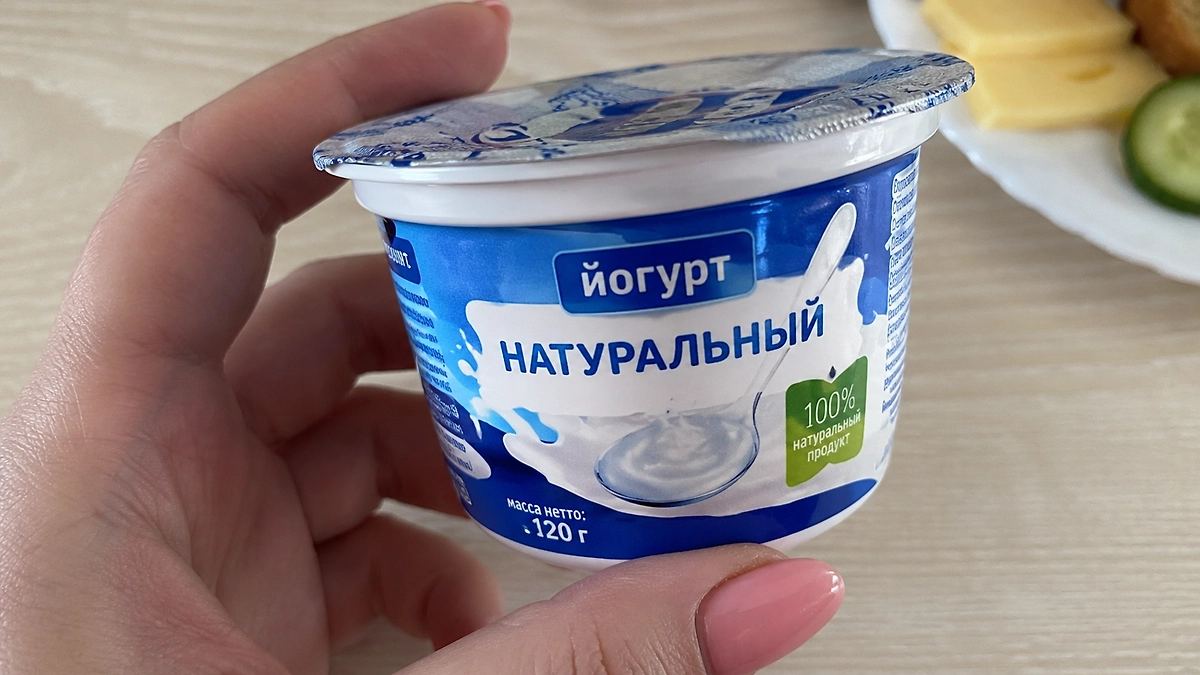
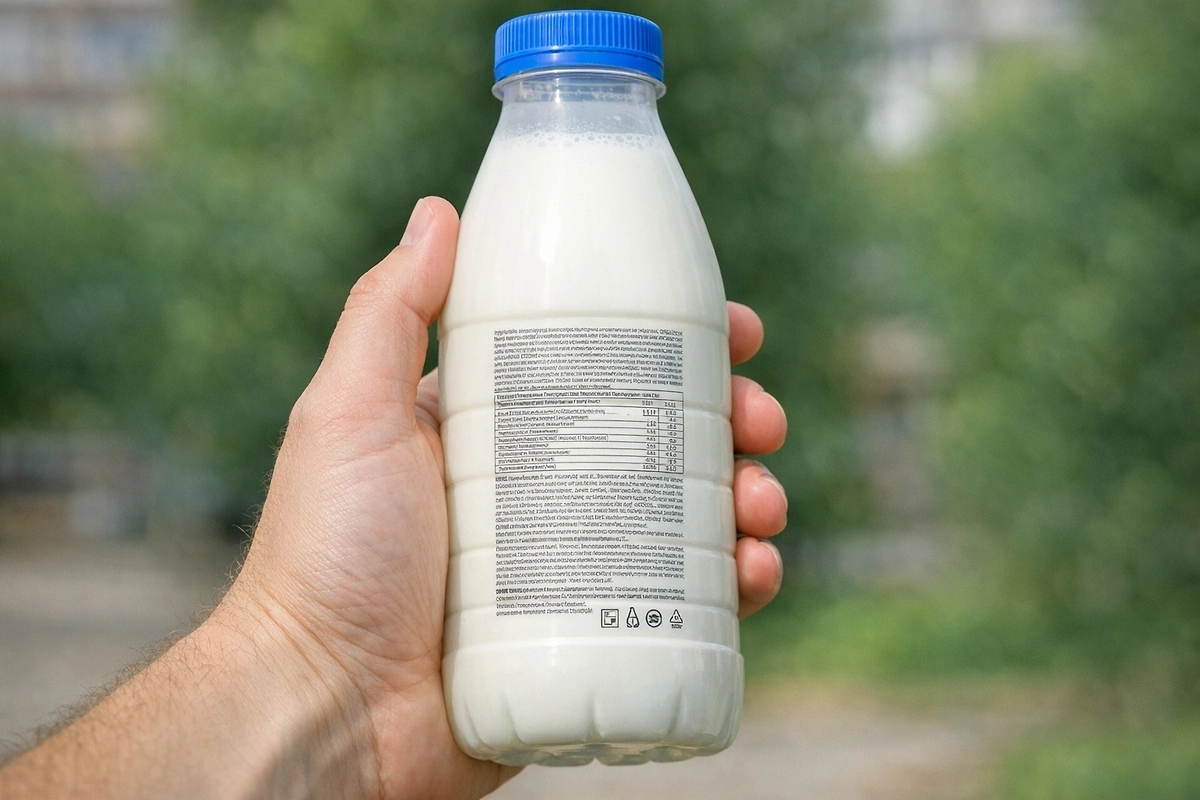
According to Life.ru, citing Roskachestvo, the labels 'natural', 'farm', 'eco' and 'bio' on packaging have for a long time not been restricted by law in any way, so manufacturers could apply them without certificates. The concept of a 'natural product' has no legal definition in Russia: a manufacturer is entitled to write it on yogurt, sausage or juice, and no one will require supporting documents. At the same time, the product may contain thickeners, flavorings and sugar. The outlet also notes that even a natural product is not necessarily healthy. Buyers are advised to focus not on the front of the package but on the 'Ingredients' line on the back.
What the New GOST for Farm Products Provides
From January 1, 2026, the first GOST for farm products is in effect in Russia — GOST R 72236-2025, developed by Roskachestvo. It classifies as farm products those of small businesses: peasant farms, cooperatives, individual entrepreneurs and owners of personal subsidiary plots. The packaging must indicate the name of the farm, its location, the composition and features of the product, and stores are recommended to allocate separate zones for such goods. However, the standard is voluntary and does not regulate production technology or quality. According to farmers quoted by the outlet, the word 'farm' may appear even on milk made from powder if the manufacturer does not operate under this GOST. Readers are advised to look for small print with the name of the farm and its address: if a large industrial plant is listed there, the label remains mere advertising.
'Village-Style', 'Homemade' and Pictures on the Label
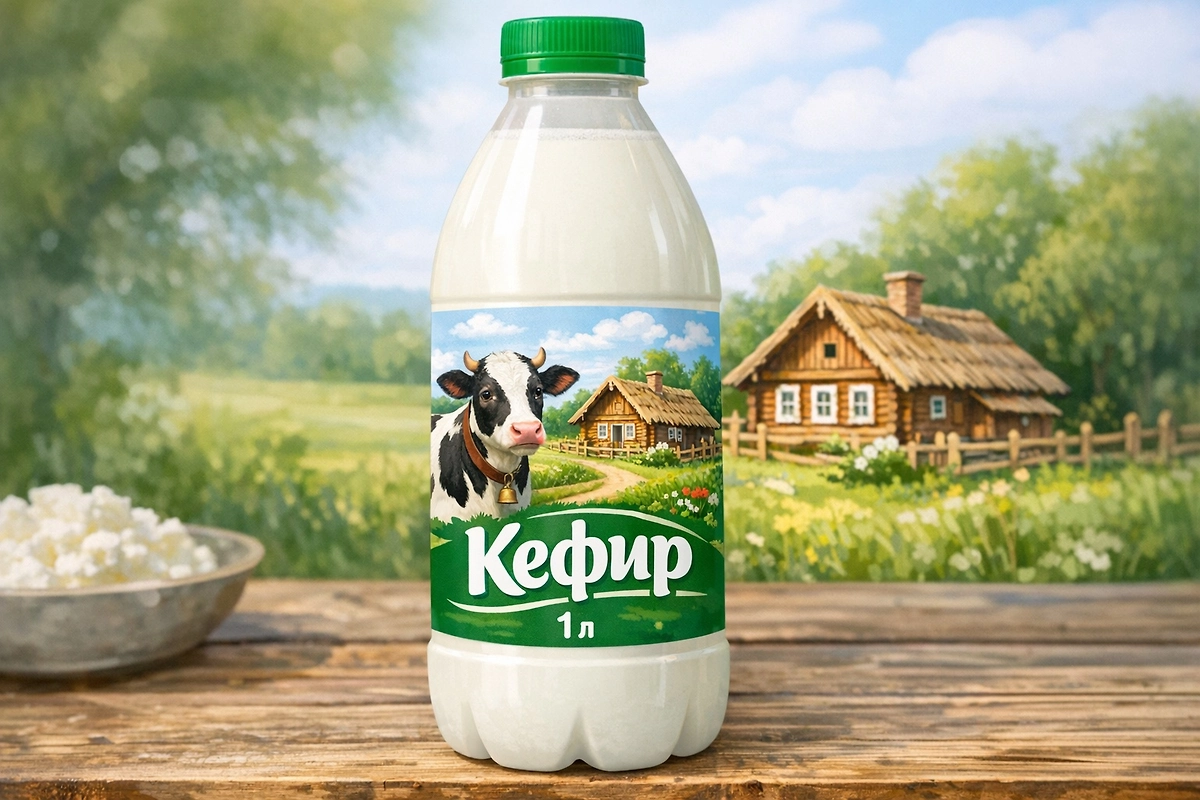
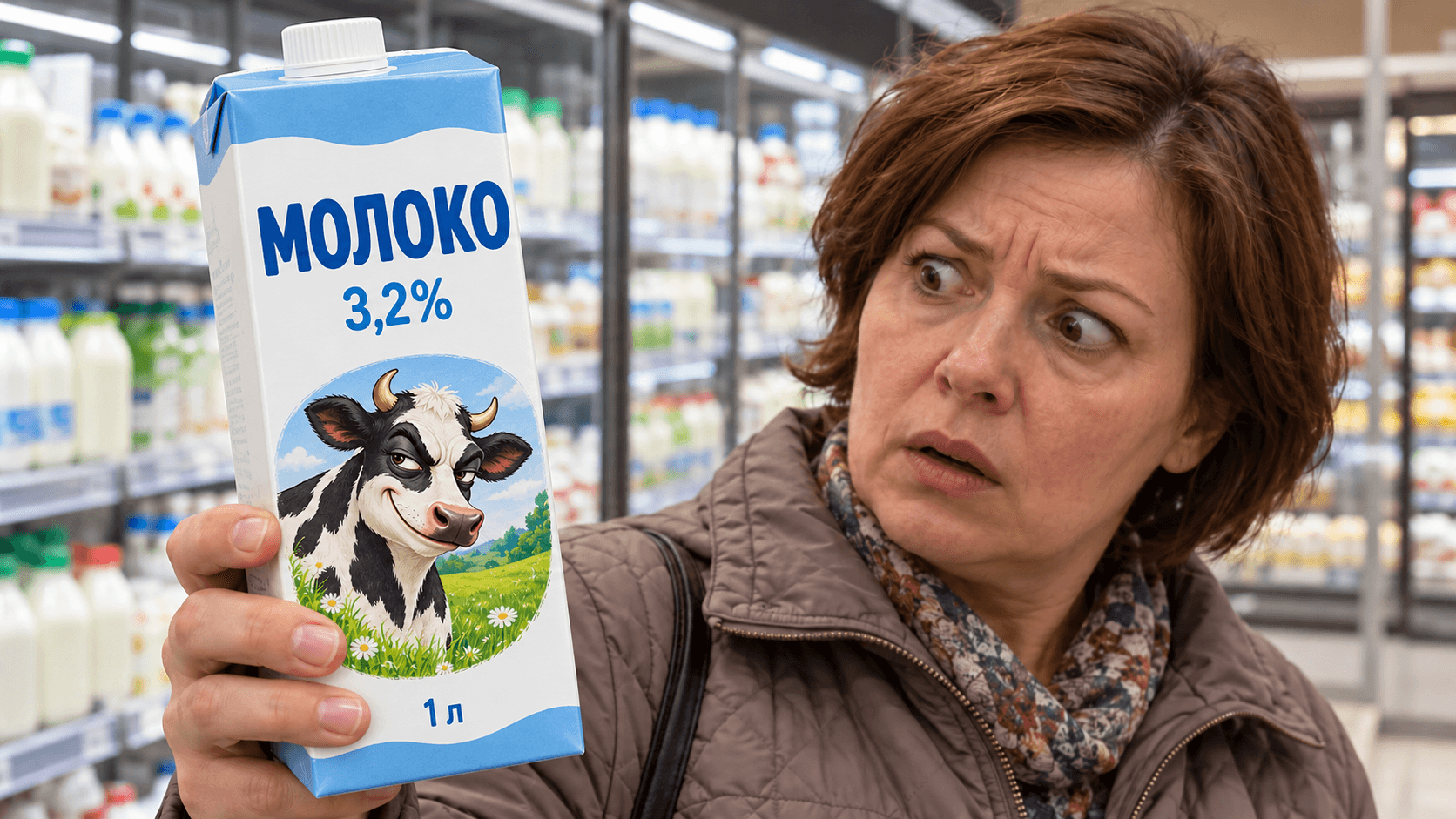
Images of a cow in a meadow, a wooden house, and the words 'village-style', 'homemade', 'like grandma's', according to Life.ru, carry no guarantees and are part of the design. The product name in small print is more informative: for example, 'reconstituted milk' means the product is made from dry powder. A product with a milk fat substitute must bear a contrasting label 'Contains vegetable fats'.
The Only Protected Word Is 'Organic'
Unlike 'eco' and 'bio', the word 'organic' has been protected by law since 2020. To use it, a manufacturer must confirm the avoidance of pesticides, chemical fertilizers, growth hormones and antibiotics and obtain a certificate. Roskachestvo advises verifying the certificate details or the manufacturer's legal name via a registry search. 'Eco' and 'bio' without such a document remain simply advertising words.
How to Read the Ingredients and Whether to Trust the Price
Ingredients are listed in descending order of share, so the first positions show what the product is actually made of. Vague wording such as 'food coloring' without clarification should raise concern, but one should not be afraid of all additives with the letter E — under this code, for example, is carrot-derived carotene. The shelf life is a clue: for products without preservatives it is rarely long. Natural products can indeed be more expensive due to long fermentation, manual labor and the rejection of accelerators, but a label on the package can also raise the price without changing the product. The outlet recommends comparing the ingredients of similar products on neighboring shelves rather than slogans.