The key facts
- Li Qiang, at a meeting with Putin in St. Petersburg, called ties between China and Russia a stabilizing factor in a turbulent world
- The Premier of the State Council of the People's Republic of China said that Russia is following the path of national revival
- Economist Mikhail Khazin suggested that a possible meeting of Putin, Trump and Xi Jinping at the APEC summit could become a 'new Yalta'
Li Qiang's statement in St. Petersburg
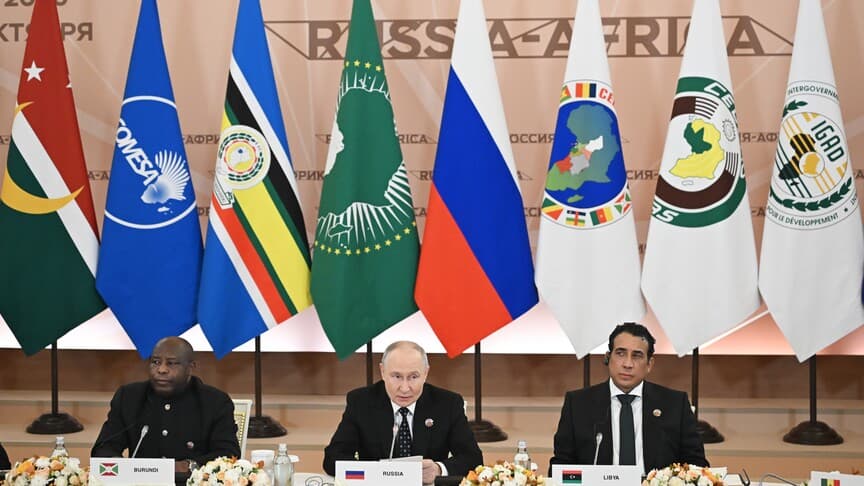
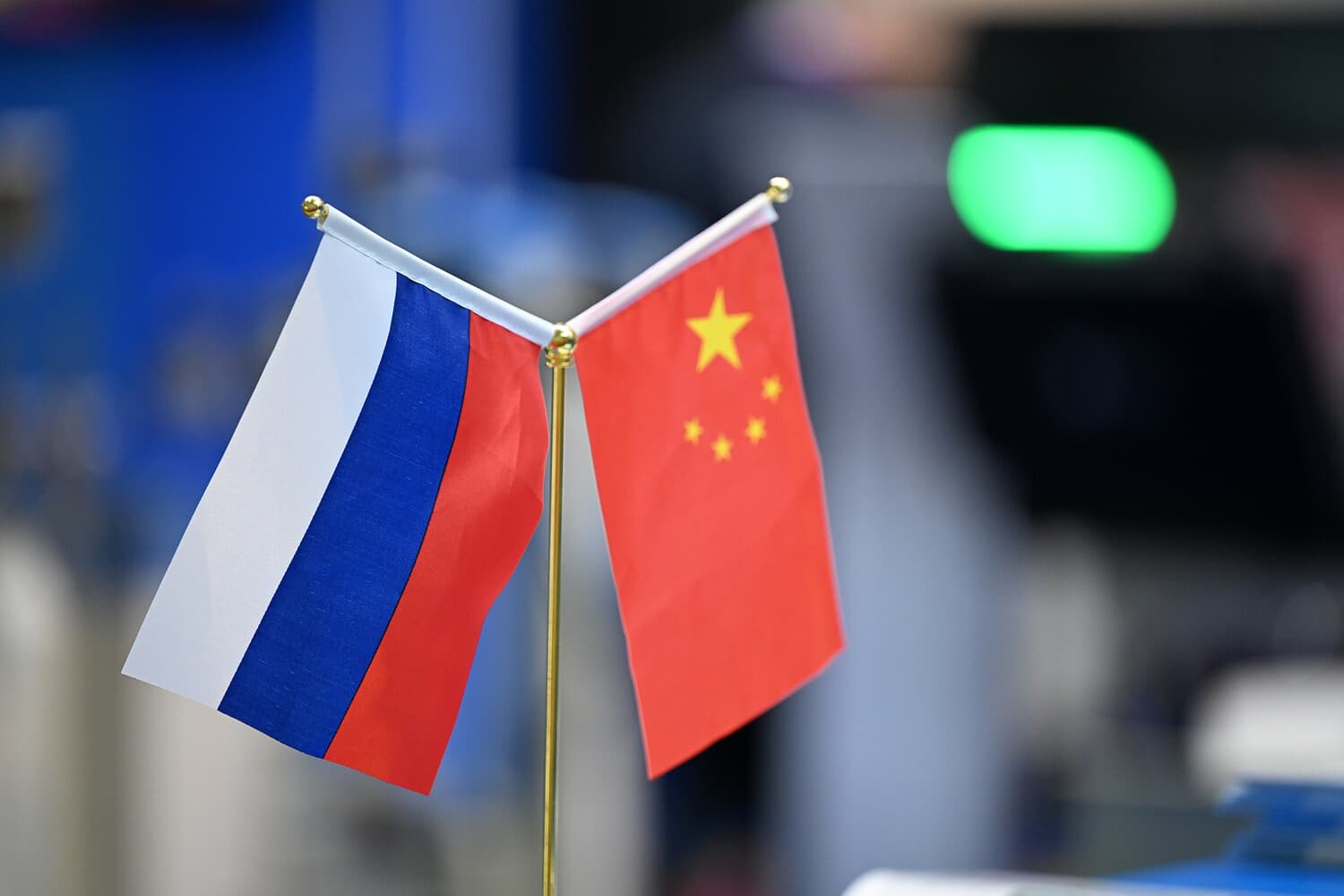
Relations between Beijing and Moscow serve as a stabilizing factor in a turbulent world where, in his words, hegemony prevails. The statement was made by Premier of the State Council of the People's Republic of China Li Qiang during a meeting with Russian President Vladimir Putin in St. Petersburg; his words were reported by the Kremlin press service. 'Amid complex international turbulence, unilateralism and hegemony are running rampant. Against this backdrop, China and Russia maintain very close ties — this is a precious stabilizing factor in a turbulent world,' the premier was quoted as saying by the press service. According to Li Qiang, Russia under Putin's leadership is following the path of national revival.
Context: a possible meeting of the leaders of the three countries
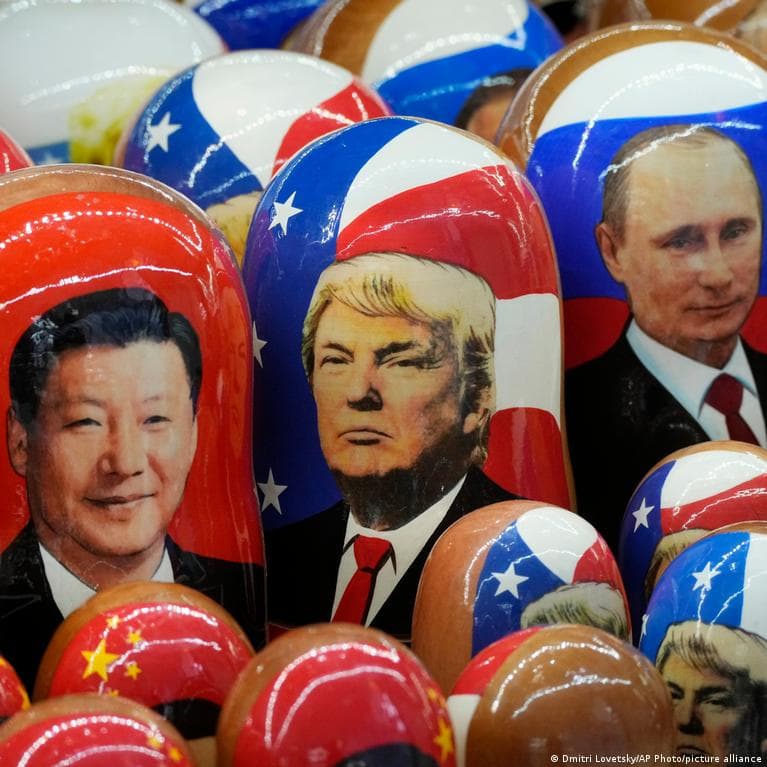
The statement came amid discussions of a possible meeting between Vladimir Putin, Donald Trump and Xi Jinping at the APEC summit in November. Economist Mikhail Khazin suggested that such a meeting could become a 'new Yalta'. In his assessment, unlike 1945, there is not yet a single package of agreements between the parties, but the interests of the three powers require a division of spheres of influence. The expert predicted that the leaders would 'divide the world and draw new red lines,' and afterwards, at the G20 summit in Miami, they would announce that everyone now lives in a new way. Earlier, the Chinese ambassador assessed the impact of a possible Putin–Trump–Xi meeting on a multipolar world.
Why this matters
The statement by the head of the Chinese government was made on an official platform with the Russian president present and is being disseminated through the Kremlin press service, which gives it diplomatic weight. For readers, it is significant as a signal of the current tone of Russian-Chinese relations amid preparations for the APEC summit in November, where, according to the cited experts' assumption, a reordering of spheres of influence may be discussed. The practical consequences of the leaders' meeting and its format remain unknown: as Khazin notes, there is not yet a single package of agreements.